
Apr . 01, 2024 17:55 Back to list
oem en 857 2sc hydraulic hose factories Manufacturing Analysis
Introduction
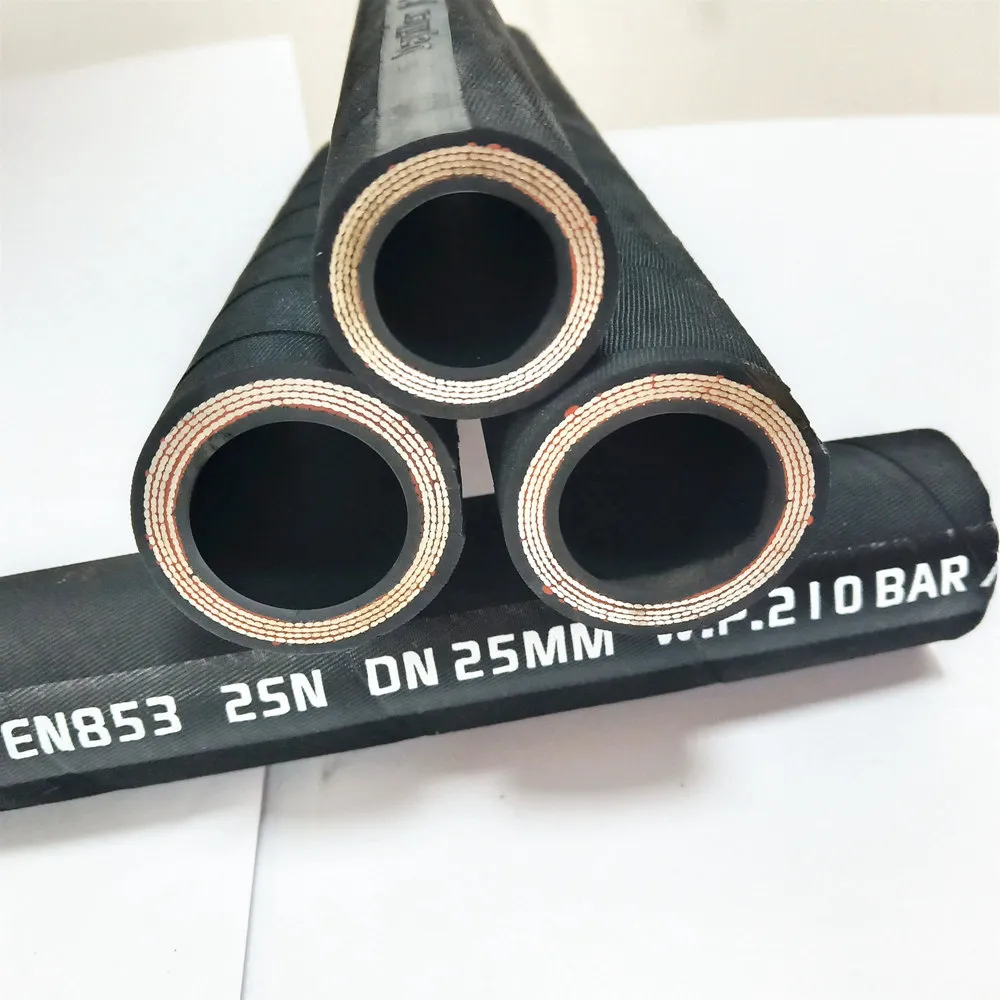
EN 857 2SC hydraulic hoses represent a critical component in fluid power systems across a diverse range of industries including construction, agriculture, manufacturing, and material handling. These hoses are designed for the transmission of hydraulic fluid under high pressure, demanding robust construction and adherence to stringent international safety standards. The '2SC' designation indicates a two-spiral steel wire reinforcement construction, providing superior pressure resistance and flexibility compared to non-reinforced or single-reinforced hose types. OEM (Original Equipment Manufacturer) production of these hoses necessitates a deep understanding of rubber compounding, steel wire fabrication, and assembly processes, along with rigorous quality control to meet the demanding performance criteria dictated by EN 857 standards. A primary industry pain point centers on consistent quality and traceability of materials, particularly the steel wire, as variations can lead to premature failure and system downtime. Furthermore, maintaining dimensional accuracy and ensuring chemical compatibility with a broad spectrum of hydraulic fluids pose significant manufacturing challenges. This guide provides an in-depth technical overview of EN 857 2SC hydraulic hose manufacturing, performance characteristics, potential failure modes, and relevant industry standards.
Material Science & Manufacturing
The construction of an EN 857 2SC hydraulic hose relies on a carefully selected combination of materials. The inner tube is typically composed of a synthetic rubber compound, commonly nitrile rubber (NBR) due to its excellent resistance to petroleum-based hydraulic fluids. Alternative materials like chlorinated polyethylene (CM) are employed for specialized applications requiring enhanced resistance to heat, ozone, and weathering. The reinforcement layers consist of high-tensile steel wire, precisely wound in a double spiral configuration. The steel wire is crucial for withstanding high internal pressures. The outer cover is generally made of a synthetic rubber, such as chloroprene rubber (CR), providing abrasion resistance, weather protection, and resistance to oil and chemicals. Manufacturing begins with the extrusion of the inner tube to precise dimensional tolerances. The steel wire is then spirally wound onto the inner tube using automated machinery, maintaining consistent pitch and tension. This is a critical parameter impacting the hose’s pressure rating and flexibility. Following reinforcement, the outer cover is extruded over the assembly. Key process controls include maintaining accurate rubber compound mixing ratios, precise temperature control during extrusion, and stringent monitoring of steel wire tension and helix angle. Curing (vulcanization) is essential for achieving the desired physical properties of the rubber components. Curing temperature, pressure, and time are meticulously controlled to optimize cross-linking and ensure long-term durability. Post-curing processes include dimensional inspection, pressure testing, and marking to ensure compliance with EN 857 requirements.
Performance & Engineering
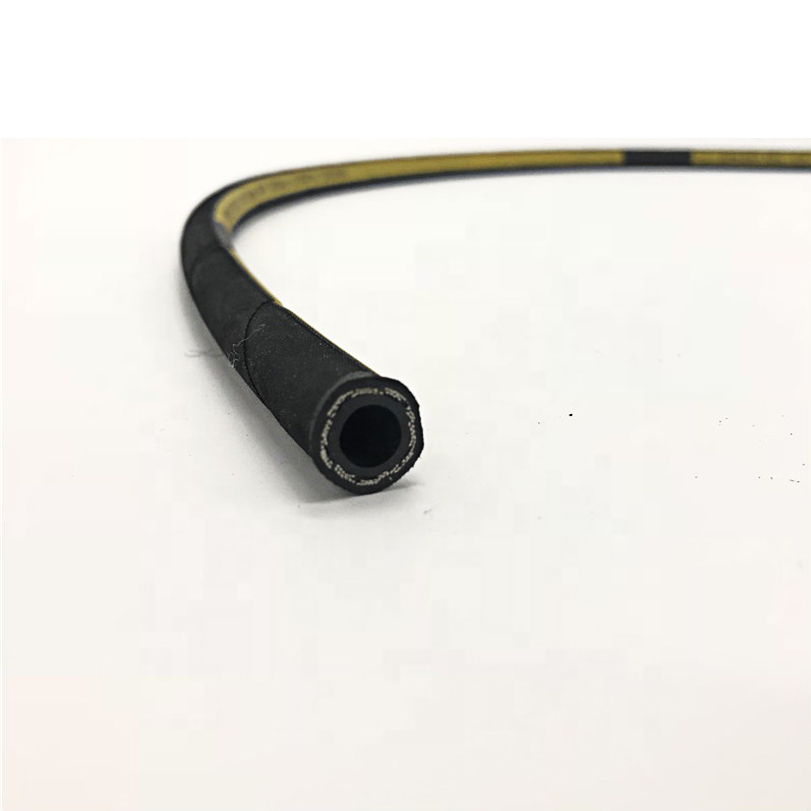
The performance of an EN 857 2SC hose is governed by several critical engineering parameters. Burst pressure, working pressure, and impulse pressure ratings are paramount. Burst pressure represents the maximum pressure the hose can withstand before failure, while working pressure is a fraction of the burst pressure, defining the safe operating limit. Impulse pressure refers to the hose's ability to withstand pressure surges or spikes. These ratings are determined through rigorous hydrostatic and impulse testing according to EN 857 standards. Flexibility is another key performance characteristic, particularly in applications requiring tight bending radii. The steel wire helix angle and rubber compound durometer influence flexibility. Finite Element Analysis (FEA) is often employed during the design phase to optimize hose geometry and reinforcement configuration for specific pressure and bending requirements. Chemical compatibility is also vital; prolonged exposure to incompatible fluids can cause swelling, degradation, and ultimately, hose failure. Environmental resistance, including ozone, UV radiation, and temperature extremes, must be considered. Engineering calculations must account for potential pressure drops due to friction losses within the hose, particularly in long runs. Proper hose assembly, including the selection of compatible fittings and correct crimping procedures, is essential for maintaining performance and preventing leaks.
Technical Specifications
| Parameter | Unit | EN 857 2SC Specification | Typical OEM Range |
|---|---|---|---|
| Working Pressure | MPa | Up to 31.5 | 10 - 25 |
| Burst Pressure | MPa | ≥ 3 x Working Pressure | 30 - 75 |
| Inner Tube Material | - | NBR, CM | NBR (most common) |
| Reinforcement | - | Two Steel Wire Spirals | High-Tensile Steel Wire |
| Outer Cover Material | - | CR, NBR | CR |
| Temperature Range | °C | -40 to +100 | -40 to +80 |
Failure Mode & Maintenance
EN 857 2SC hydraulic hoses are susceptible to several failure modes. Fatigue cracking, initiated by repeated flexing and pressure cycling, is a common cause of failure, particularly near fittings. This is exacerbated by improper hose routing and excessive bending radii. Abrasion damage to the outer cover can expose the reinforcement layers to corrosion. Internal degradation of the rubber compounds can occur due to chemical incompatibility with the hydraulic fluid, leading to swelling, softening, and eventual rupture. Steel wire corrosion, caused by moisture ingress through damaged covers or fittings, significantly reduces hose strength. Fitting failure, often due to improper crimping or corrosion, is another frequent issue. Maintenance involves regular visual inspections for abrasion, cracks, leaks, and loose fittings. Hoses should be replaced if any signs of damage are detected. The hydraulic fluid should be regularly analyzed for contamination and compatibility with the hose materials. Proper hose routing, avoiding sharp bends and contact with abrasive surfaces, is crucial. Regularly torque fittings to the manufacturer’s specifications. If a hose is subjected to extreme temperatures or corrosive environments, more frequent inspections are recommended. Detailed failure analysis, including metallurgical examination of the steel wire and chemical analysis of the rubber compounds, can help identify the root cause of failures and prevent recurrence.
Industry FAQ
Q: What is the impact of steel wire quality on hose performance?
A: Steel wire quality is paramount. Variations in tensile strength, ductility, and corrosion resistance directly affect the hose’s burst pressure, fatigue life, and overall reliability. Lower quality wire is prone to fracture under stress, leading to premature failure. OEM manufacturers typically require steel wire suppliers to provide detailed material certifications and perform rigorous testing to ensure compliance with specified standards.
Q: How does the choice of inner tube material affect chemical compatibility?
A: The inner tube material dictates the hose’s compatibility with different hydraulic fluids. NBR offers broad compatibility with petroleum-based fluids, while CM provides superior resistance to phosphate ester fluids and high temperatures. Incorrect material selection can lead to swelling, softening, and degradation of the inner tube, resulting in leaks and eventual failure.
Q: What are the critical parameters for proper hose crimping?
A: Proper crimping is crucial for a leak-free and reliable connection. Key parameters include the correct crimp size, crimp angle, and crimp force. These parameters must be matched to the hose size, fitting type, and steel wire reinforcement configuration. Improper crimping can lead to fitting slippage, hose extrusion, and premature failure.
Q: How does temperature affect the performance and lifespan of an EN 857 2SC hose?
A: Extreme temperatures can significantly impact hose performance. High temperatures can accelerate rubber degradation and reduce the hose’s burst pressure. Low temperatures can reduce the flexibility of the rubber, increasing the risk of cracking. Maintaining the hose within the specified temperature range (-40 to +100°C) is essential for maximizing its lifespan.
Q: What are the implications of exceeding the hose's working pressure?
A: Exceeding the working pressure significantly increases the risk of hose failure. While the hose may withstand short-term pressure spikes, prolonged operation above the working pressure can lead to fatigue cracking, rupture, and potential injury. A safety factor is built into the burst pressure rating, but relying on this factor is not recommended.
Conclusion
EN 857 2SC hydraulic hoses are engineered for robust performance in demanding fluid power applications. Their design, centered around high-strength materials and precise manufacturing processes, ensures reliable operation under high pressure and challenging environmental conditions. Understanding the interplay between material science, engineering principles, and adherence to stringent quality control procedures is crucial for OEM manufacturers and end-users alike.
Maintaining optimal hose performance requires diligent attention to maintenance practices, including regular inspections, proper fluid selection, and adherence to recommended operating parameters. Failure to address potential issues proactively can lead to costly downtime and safety risks. Continued advancements in rubber compounding and reinforcement technologies are driving further improvements in hose durability and performance, ensuring these critical components remain integral to a wide range of industrial applications.