
Apr . 01, 2024 17:55 Back to list
oem double fiber braid hydraulic hose supplier Performance Analysis
Introduction
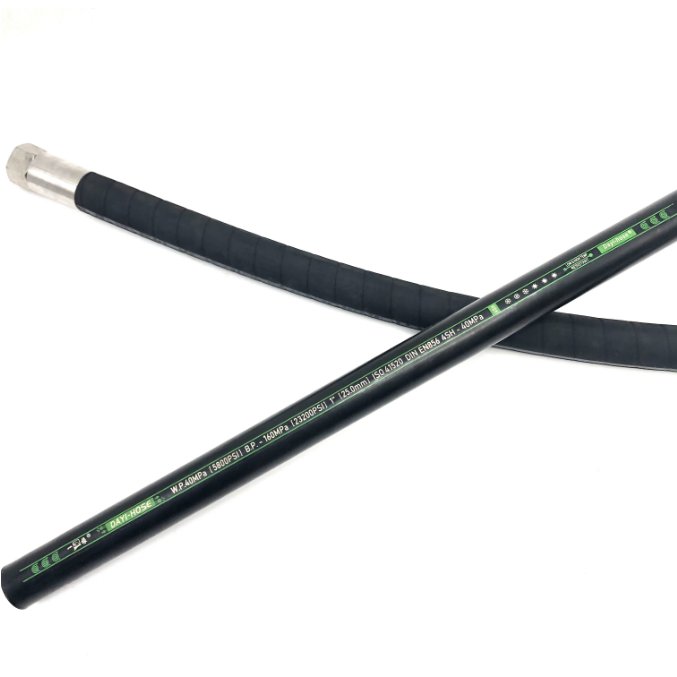
OEM double fiber braid hydraulic hose represents a critical component in fluid power systems across diverse industries, including construction, agriculture, manufacturing, and oil & gas. These hoses are engineered to transmit hydraulic fluid under high pressure, facilitating the operation of heavy machinery and equipment. Their construction utilizes a synthetic rubber inner tube, reinforced with two layers of high-tensile steel wire braid, and protected by a durable, abrasion-resistant outer cover. This configuration delivers superior pressure capability, flexibility, and resistance to environmental factors. The role of the OEM supplier is pivotal in ensuring consistent quality, adherence to stringent industry standards, and customizability to meet specific application requirements. A key industry pain point centers around hose failure due to inadequate pressure ratings, premature wear, or improper material selection. This guide details the material science, manufacturing processes, performance characteristics, failure modes, and maintenance protocols for OEM double fiber braid hydraulic hose, providing a comprehensive resource for engineers, procurement managers, and maintenance personnel.
Material Science & Manufacturing
The performance of a double fiber braid hydraulic hose is intrinsically linked to the properties of its constituent materials. The inner tube is typically composed of nitrile rubber (NBR) – prized for its resistance to petroleum-based fluids – or ethylene propylene diene monomer (EPDM) rubber, offering excellent resistance to heat, ozone, and weathering. NBR exhibits a Shore A hardness ranging from 40 to 60, influencing its flexibility and resistance to abrasion. The reinforcement layer, consisting of high-tensile steel wire, is crucial for withstanding internal pressure. The wire is manufactured from carbon steel, often with a zinc coating for corrosion protection. The outer cover generally utilizes a blend of synthetic rubbers, such as chloroprene (CR) or polyurethane (PU), offering abrasion, ozone, and UV resistance. CR exhibits good flexibility at lower temperatures, while PU provides superior abrasion resistance.
Manufacturing involves several key stages. The inner tube is extruded through a die, establishing the hose's internal diameter. The steel wire braid is then helically wound around the extruded tube using specialized braiding machines. Precise tension control during braiding is paramount to ensuring uniform pressure distribution and preventing premature fatigue failure. Following braiding, the outer cover is extruded over the braided structure. Curing, a crucial step, involves vulcanizing the rubber compounds using heat and pressure, creating a cross-linked polymer network that imparts the desired physical and chemical properties. Quality control measures at each stage – including dimensional checks, pressure testing, and material analysis – are essential for ensuring product integrity. A key manufacturing challenge lies in achieving consistent braid coverage and adhesion between layers, impacting the hose’s burst pressure and lifespan. Post-curing, hoses are typically subjected to dimensional checks, leak tests, and impulse pressure tests to verify performance against specified parameters.
Performance & Engineering
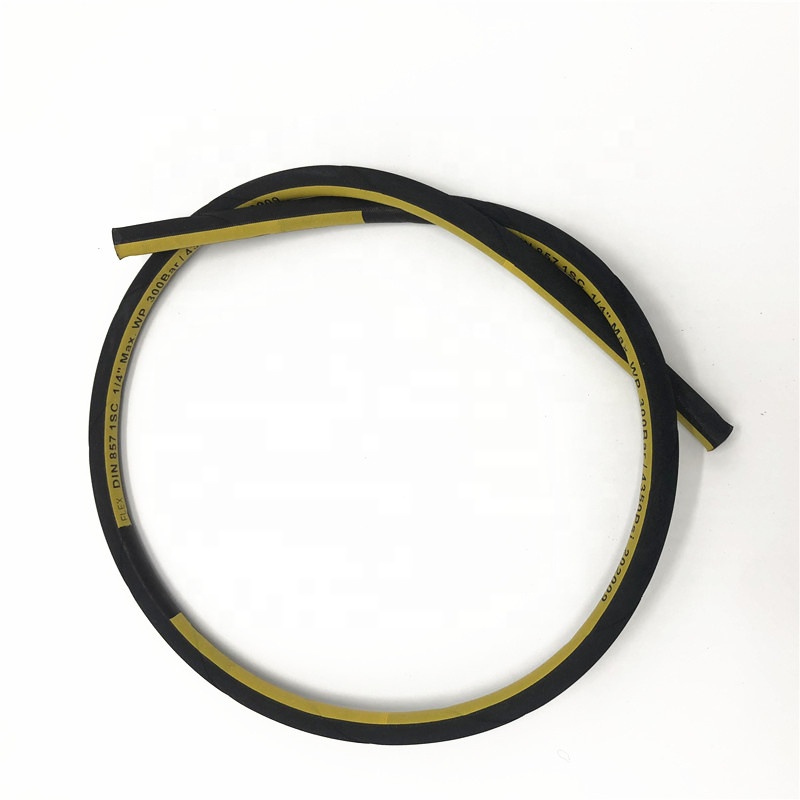
The performance of double fiber braid hydraulic hoses is governed by several critical engineering parameters. Burst pressure, the maximum pressure the hose can withstand before rupture, is a primary consideration, dictated by the number and gauge of the steel wire braids. Working pressure, typically 50-70% of the burst pressure, represents the recommended operating pressure for optimal lifespan. Hose flexibility is crucial for installation and operation in confined spaces. This is influenced by the hose diameter, the type of rubber compound used, and the braid construction. Impulse pressure testing simulates the cyclical pressure fluctuations inherent in hydraulic systems, assessing the hose's resistance to fatigue failure.
Environmental resistance is another crucial performance aspect. Hydraulic hoses are often exposed to harsh conditions, including extreme temperatures, UV radiation, and chemical spills. Material selection, particularly for the outer cover, plays a vital role in mitigating these effects. Compliance with industry standards – such as SAE J517 (Pressure Test) and ISO 6897 (Performance Characteristics) – is essential. Force analysis, including hoop stress calculations, is used to determine the hose’s ability to contain pressure. The design must account for both static and dynamic loads. Failure analysis of hydraulic hoses often reveals that failures originate from defects in the reinforcement layer, material degradation due to chemical exposure, or improper installation practices. Understanding these failure modes is essential for implementing effective preventative maintenance strategies. Proper fitting selection and installation torque are critical to preventing leaks and ensuring optimal hose performance.
Technical Specifications
| Parameter | Unit | Typical Value (SAE 100R2AT Equivalent) | Testing Standard |
|---|---|---|---|
| Working Pressure | MPa | 20.7 | SAE J517 |
| Burst Pressure | MPa | 82.7 | SAE J517 |
| Temperature Range | °C | -40 to +100 | SAE J517 |
| Inner Tube Material | - | NBR | ASTM D2000 |
| Reinforcement | - | Two Steel Wire Braid | SAE J517 |
| Outer Cover Material | - | Synthetic Rubber (CR) | ASTM D2000 |
Failure Mode & Maintenance
Double fiber braid hydraulic hoses are susceptible to several failure modes. Fatigue cracking, originating from repeated pressure cycles, is a common issue, particularly in applications with high dynamic loads. This often manifests as cracks in the steel wire braid. Another frequent failure mode is abrasion damage to the outer cover, leading to exposure of the reinforcement layer and subsequent corrosion. Chemical degradation of the inner tube can occur due to incompatible fluids, causing swelling, softening, and eventual leakage. Corrosion of the steel wire braid, particularly in humid environments, weakens the reinforcement and reduces the hose’s pressure capacity. Improper installation, such as over-bending or twisting, can cause localized stress concentrations and premature failure.
Preventative maintenance is critical for maximizing hose lifespan. Regular visual inspections should be conducted to identify signs of abrasion, cracking, or leakage. Hose routing should be optimized to minimize bending and twisting. Fluid compatibility must be verified to prevent chemical degradation. Pressure surges should be dampened using accumulators or pressure relief valves. If a hose shows any signs of damage, it should be replaced immediately. When replacing a hose, it’s essential to use fittings of the correct size and type, and to tighten them to the manufacturer’s recommended torque specifications. Periodic pressure testing can help identify hoses that are nearing the end of their service life. Proper storage of hoses, away from direct sunlight and extreme temperatures, can also extend their lifespan.
Industry FAQ
Q: What is the impact of exceeding the working pressure on hose lifespan?
A: Exceeding the working pressure significantly reduces the hose's lifespan and increases the risk of catastrophic failure. Even short-term exposure to pressures above the recommended limit can cause fatigue damage to the reinforcement layer and lead to premature cracking or rupture. It’s crucial to operate within the specified pressure range to ensure safe and reliable operation.
Q: How does temperature affect the performance of a hydraulic hose?
A: Temperature extremes can significantly impact hose performance. High temperatures can accelerate material degradation, reduce the hose's flexibility, and lower its burst pressure. Low temperatures can cause the rubber compounds to become brittle and less resistant to cracking. It's important to select a hose with a temperature range that matches the application's operating conditions.
Q: What are the common causes of hose leaks?
A: Common causes of hose leaks include improper fitting installation (over-tightening or under-tightening), damage to the inner tube (abrasion or chemical attack), corrosion of the fittings, and wear at the hose ends. Regular inspections and proper maintenance can help prevent leaks.
Q: How do I select the correct hose for a specific application?
A: Hose selection depends on several factors, including the operating pressure, temperature, fluid compatibility, and application environment. It is important to review the technical specifications of the hose and ensure that it meets the requirements of the application. Consider the hose's diameter, length, and end fitting type. Consulting with a hose supplier can help ensure proper selection.
Q: What is the role of the steel wire braid in a hydraulic hose?
A: The steel wire braid provides the primary reinforcement for the hose, enabling it to withstand high internal pressures without bursting or collapsing. The number and gauge of the wire braids determine the hose’s pressure rating. The braid also provides resistance to kinking and bending.
Conclusion
OEM double fiber braid hydraulic hose represents a vital component in numerous industrial applications, demanding meticulous attention to material science, manufacturing precision, and operational considerations. The superior pressure capabilities and durability afforded by the double braid construction, coupled with appropriate material selection, ensure reliable fluid power transmission. Understanding the potential failure modes – from fatigue cracking to chemical degradation – is paramount for implementing effective preventative maintenance programs.
The continuous drive for improved performance and safety will likely lead to advancements in hose materials and manufacturing techniques. Future developments may include the use of higher-strength steel alloys, innovative rubber compounds with enhanced chemical resistance, and more sophisticated braiding technologies. Adherence to international standards and diligent quality control remain essential for ensuring the long-term reliability and safety of these critical components in hydraulic systems.