
Apr . 01, 2024 17:55 Back to list
oem double fiber braid hydraulic hose factory Performance Analysis

Introduction
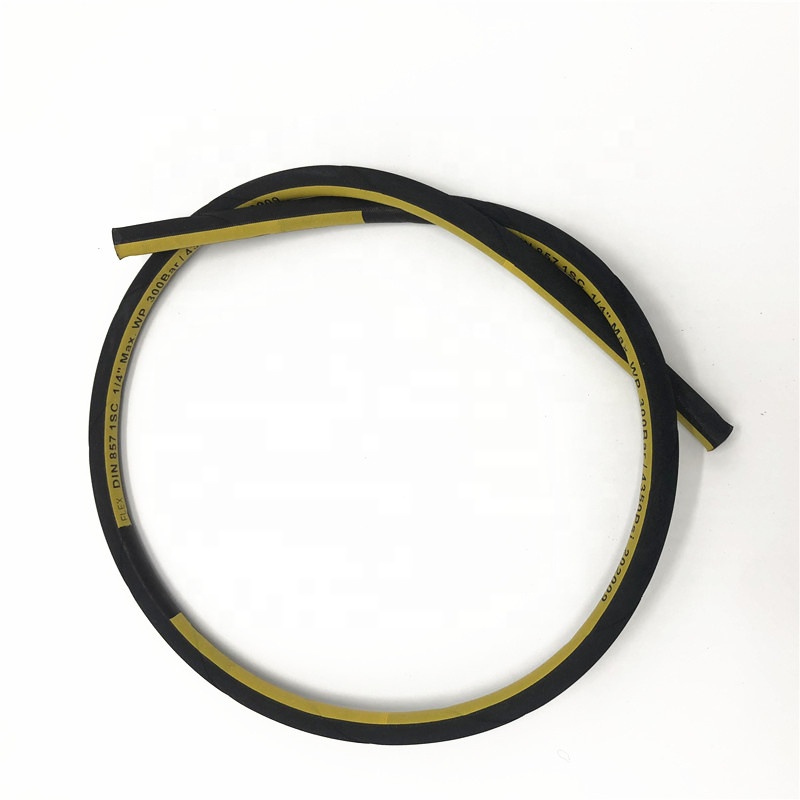
OEM double fiber braid hydraulic hose constitutes a critical component in fluid power systems across diverse industrial applications, including construction machinery, agricultural equipment, material handling, and manufacturing processes. Positioned within the hydraulic system’s power transmission chain, its primary function is the safe and efficient conveyance of pressurized hydraulic fluid, enabling the transfer of force and motion. These hoses distinguish themselves through a robust construction consisting of an inner tube, multiple layers of high-tensile strength fiber braiding (typically steel or aramid), and a durable outer cover. Core performance characteristics are defined by pressure rating, burst pressure, temperature range, fluid compatibility, and resistance to abrasion and kinking. The demand for OEM double fiber braid hydraulic hose is driven by the increasing complexity and power requirements of modern hydraulic systems, requiring reliable fluid conveyance under extreme operating conditions. The increasing adoption of higher operating pressures in hydraulic machinery is a key industry trend influencing hose design and material selection.
Material Science & Manufacturing
The composition of a double fiber braid hydraulic hose is highly engineered, demanding meticulous material selection and manufacturing control. The inner tube is typically constructed from synthetic rubbers like nitrile (NBR), chlorinated polyether (CPE), or fluorocarbon (FKM, Viton®) depending on fluid compatibility requirements. NBR offers excellent resistance to petroleum-based fluids, CPE excels in harsh environmental conditions, and FKM provides superior resistance to high temperatures and aggressive chemicals. The reinforcement layers, crucial for pressure containment, consist of one or two braids of high-tensile steel wire or aramid fiber. Steel provides superior burst strength and resistance to thermal expansion, while aramid offers a lighter weight alternative with excellent fatigue resistance. The outer cover generally utilizes a synthetic rubber compound, often a blend of polyurethane, neoprene, or CPE, to provide abrasion resistance, weather protection, and chemical resistance.
Manufacturing involves a multi-stage process. The inner tube is extruded through a die, establishing its internal diameter and wall thickness. The reinforcement braid is then applied using a specialized braiding machine, precisely controlling the braid angle and coverage. The braid tension is a critical parameter affecting hose burst pressure and flexibility. Following braiding, the outer cover is extruded over the reinforcement, encapsulating the structure. Curing (vulcanization) is a vital step, employing heat and pressure to cross-link the rubber compounds, enhancing their physical and chemical properties. Quality control checks at each stage, including dimensional measurements, pressure testing, and visual inspection, are crucial to ensure compliance with industry standards. Post-processing includes end fitting attachment, typically through crimping, swaging or bonding techniques.
Performance & Engineering
Performance of double fiber braid hydraulic hose is dictated by several engineering principles. Hose burst pressure is a primary concern, determined by the tensile strength of the reinforcement braids and the adhesion between layers. Calculating burst pressure requires detailed stress analysis, considering the internal fluid pressure and the hoop stress generated within the hose wall. Fatigue life, the hose’s resistance to repeated pressure cycles, is critical for long-term reliability. Fatigue failure is often initiated by microscopic defects in the reinforcement or the rubber compounds, exacerbated by cyclical loading and temperature fluctuations.
Environmental resistance, encompassing temperature extremes, ozone exposure, and chemical attack, directly impacts hose longevity. Selection of appropriate rubber compounds is paramount for maintaining flexibility and preventing degradation in specific operating environments. Hose flexibility and bend radius are key considerations for installation and operation. A tight bend radius can induce stress concentration in the hose wall, leading to premature failure. Compliance with industry standards, such as SAE J517 and EN 853, is mandatory for ensuring safety and interchangeability. These standards specify testing procedures for pressure rating, burst pressure, impulse pressure, and temperature range. Force analysis during hose assembly, particularly during end fitting attachment, is vital to prevent damage to the reinforcement layers. Improper crimping can lead to localized stress concentrations and eventual failure.
Technical Specifications
| Parameter | Unit | Specification (Typical) | Test Standard |
|---|---|---|---|
| Working Pressure | MPa | 20-35 | SAE J517 |
| Burst Pressure | MPa | 60-105 | SAE J517 |
| Temperature Range | °C | -40 to +100 | SAE J517 |
| Inner Tube Material | - | NBR, CPE, FKM | ASTM D2000 |
| Reinforcement | - | Steel Wire/Aramid Fiber (1 or 2 braids) | ASTM E8 |
| Outer Cover Material | - | Polyurethane, Neoprene, CPE | ASTM D2000 |
Failure Mode & Maintenance
Failure modes in double fiber braid hydraulic hoses are varied and often interconnected. The most common is burst failure, typically initiated by exceeding the working pressure or experiencing a sudden pressure surge. This often originates from fatigue cracking in the reinforcement braid. Another prevalent failure mode is abrasion damage to the outer cover, caused by contact with abrasive surfaces or external contaminants. This compromises the protective layer, exposing the reinforcement to corrosion and reducing the hose's lifespan. Kinking and twisting can induce localized stress concentrations and damage the internal structure. Chemical attack from incompatible fluids leads to swelling, softening, and cracking of the inner tube. Thermal degradation, particularly at elevated temperatures, causes hardening and embrittlement of the rubber compounds.
Maintenance is critical for maximizing hose service life and preventing catastrophic failures. Regular visual inspections should be performed to check for abrasion, cracking, kinking, and leaks. Hose should be replaced if any signs of damage are detected. Proper hose routing and support are essential to prevent abrasion and kinking. Fluid compatibility must be verified before use. Avoid exceeding the recommended working pressure and temperature limits. Implement a preventative maintenance schedule, including periodic pressure testing and hose replacement based on service hours or calendar time. Proper storage in a cool, dry place, away from direct sunlight and ozone sources, will extend hose lifespan. Correct end fitting installation and torque specifications must be adhered to.
Industry FAQ
Q: What is the primary difference between single and double fiber braid hoses in terms of pressure capacity?
A: Double fiber braid hoses offer significantly higher pressure ratings and burst strengths compared to single braid hoses. The additional braid layer provides greater reinforcement, allowing them to withstand more extreme operating pressures and reducing the risk of catastrophic failure in high-demand applications.
Q: How does temperature affect the performance and lifespan of a hydraulic hose?
A: Temperature extremes can significantly degrade hydraulic hose performance. High temperatures cause hardening and embrittlement of rubber compounds, reducing flexibility and increasing the risk of cracking. Low temperatures can reduce flexibility, making the hose more susceptible to kinking and damage. Selecting a hose with a temperature range appropriate for the operating environment is crucial.
Q: What is the impact of fluid incompatibility on hose life?
A: Using a hose with an incompatible fluid can lead to severe degradation of the inner tube. The fluid can cause swelling, softening, and cracking, compromising the hose’s structural integrity and leading to leaks or failure. Always verify fluid compatibility before selecting a hose.
Q: What are the recommended procedures for inspecting a hydraulic hose for potential failures?
A: Visual inspections should be conducted regularly, focusing on the outer cover for abrasion, cracking, blistering, and leaks. Check for kinking or twisting. Inspect end fittings for corrosion or damage. Listen for unusual noises during operation, which may indicate internal damage. A qualified technician should perform detailed pressure testing if concerns arise.
Q: What are the best practices for storing hydraulic hoses to prevent degradation?
A: Store hoses in a cool, dry, and well-ventilated area, away from direct sunlight, ozone sources (such as electric motors), and extreme temperatures. Avoid storing hoses bent or twisted. Keep hoses clean and free from contaminants. Ideally, store hoses on a rack or reel to prevent damage.
Conclusion
OEM double fiber braid hydraulic hoses are sophisticated engineered components vital to the safe and reliable operation of hydraulic systems. Their performance hinges on a complex interplay of material science, precise manufacturing controls, and adherence to stringent industry standards. Selecting the appropriate hose for a given application requires careful consideration of operating pressure, temperature range, fluid compatibility, and environmental conditions.
Proactive maintenance, including regular inspections and timely replacement, is crucial for maximizing hose service life and preventing costly downtime. As hydraulic systems continue to evolve and demand higher performance, ongoing advancements in hose materials and manufacturing techniques will be essential to meet these challenges and ensure the long-term reliability of fluid power systems.