
Apr . 01, 2024 17:55 Back to list
oem dayco hydraulic hose manufacturer Performance Analysis
Introduction
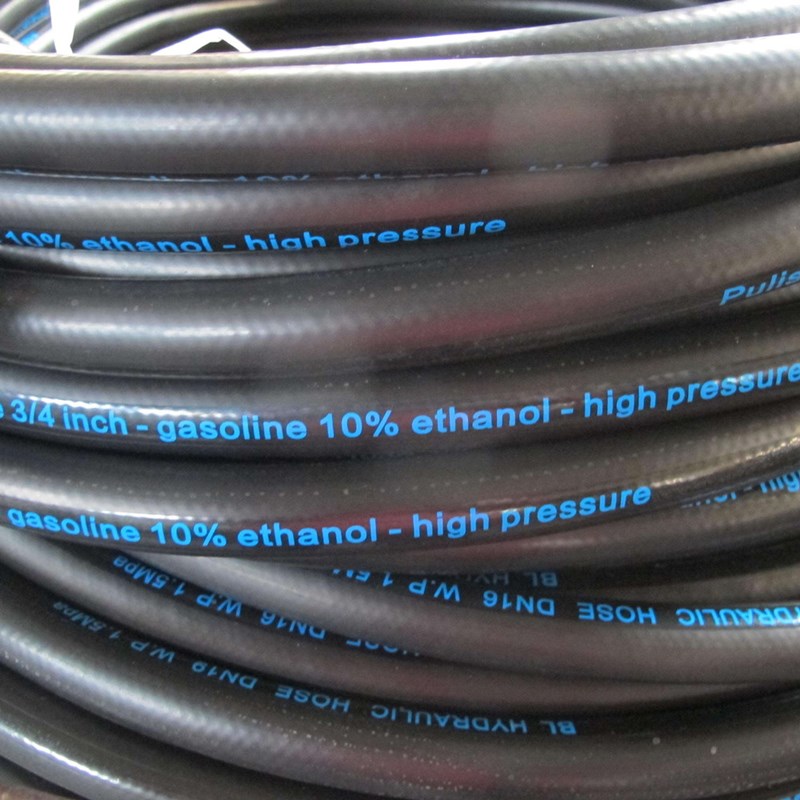
OEM Dayco hydraulic hoses represent a critical component in fluid power systems across a diverse range of industries, including construction, agriculture, manufacturing, and automotive. These hoses are engineered to transmit hydraulic fluid under high pressure, facilitating the operation of heavy machinery and critical industrial processes. Their technical positioning within the supply chain necessitates adherence to stringent performance standards and material specifications to ensure operational safety and longevity. Core performance characteristics center around burst pressure, working pressure, temperature resistance, and fluid compatibility. The increasing demand for higher operating pressures and extended service life drives continuous advancements in materials science and manufacturing techniques for these hoses. A critical pain point for end-users is hose failure leading to downtime, potential safety hazards, and costly repairs. Therefore, understanding the underlying engineering principles and quality control measures is paramount for selecting and maintaining these essential components.
Material Science & Manufacturing
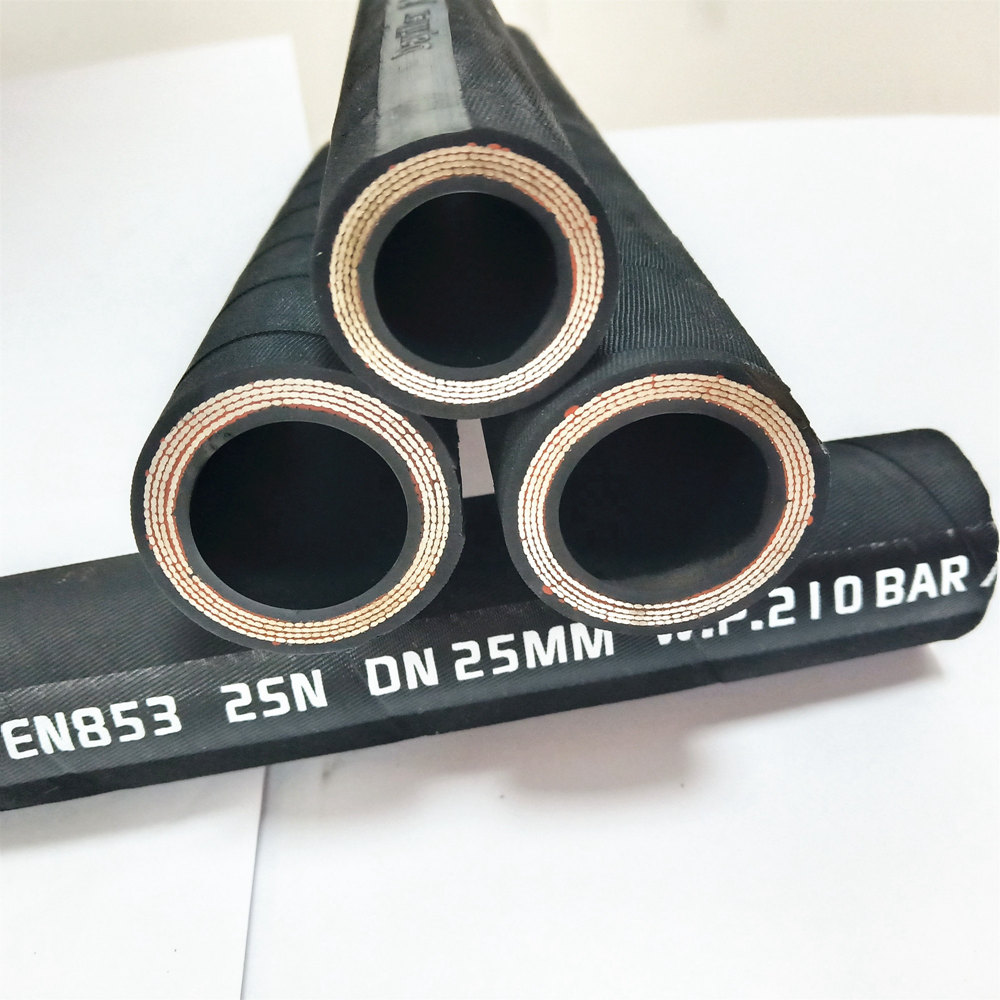
The construction of OEM Dayco hydraulic hoses typically involves multiple layers, each contributing to specific performance characteristics. The inner tube, which directly contacts the hydraulic fluid, is commonly made from synthetic rubbers such as nitrile rubber (NBR), ethylene propylene diene monomer (EPDM), or fluorocarbon rubber (FKM – Viton). NBR offers good resistance to petroleum-based fluids, EPDM excels in phosphate ester fluid compatibility and high-temperature applications, and FKM provides superior resistance to a broad range of aggressive chemicals and extreme temperatures. Reinforcement layers, providing tensile strength and pressure resistance, are typically composed of multiple braids or spirals of high-tensile steel wire. The number and construction of these layers directly impact the hose’s working and burst pressures. An outer cover, typically made of synthetic rubber like chloroprene (CR) or polyurethane (PU), protects the reinforcement layers from abrasion, weathering, and chemical exposure.
Manufacturing processes involve several key steps. Inner tube extrusion shapes the rubber into a continuous tube. Reinforcement braiding or spiraling is then applied, carefully controlling the wire tension and angle to achieve the specified pressure rating. The assembly is then vulcanized – a curing process using heat and pressure – to bond the layers together and achieve the desired rubber properties. Post-vulcanization, hoses undergo rigorous testing including pressure testing to 1.5 times the working pressure, impulse testing, and dimensional checks. Critical parameter control during extrusion focuses on maintaining consistent wall thickness and rubber compound homogeneity. Wire tension during braiding must be precisely controlled to avoid weakening the hose structure. Vulcanization temperature and time are critical for achieving optimal cross-linking of the rubber molecules, influencing the hose’s flexibility, durability, and chemical resistance.
Performance & Engineering
The performance of OEM Dayco hydraulic hoses is governed by several engineering principles. Force analysis considers the hoop stress within the hose wall due to internal pressure. The reinforcement layers are designed to withstand this stress, preventing bursting or deformation. The relationship between pressure, diameter, and wall thickness is described by the Barlow’s formula: P = (2St)/D, where P is pressure, S is tensile strength of the material, t is wall thickness, and D is diameter. Environmental resistance is crucial, particularly in outdoor applications. UV exposure, ozone degradation, and temperature fluctuations can degrade the rubber compounds, leading to cracking and reduced flexibility. Therefore, materials are selected and formulated with UV stabilizers and antioxidants.
Compliance requirements vary depending on the application and geographic region. SAE International standards (J517, J1926, J343) are widely used for hydraulic hose specifications. These standards define hose types, dimensions, performance requirements, and testing procedures. European standards (EN 853, EN 856) provide similar specifications. Functional implementation considerations include bend radius – the minimum radius to which the hose can be bent without kinking or damaging the reinforcement layers. Proper hose routing and support are essential to prevent excessive bending, abrasion, and stress concentration. The selection of appropriate fittings is also critical, ensuring a leak-proof connection and compatibility with the hose material and hydraulic fluid. Failure to meet these engineering and compliance considerations can result in catastrophic system failures.
Technical Specifications
| Hose Type | Working Pressure (PSI) | Burst Pressure (PSI) | Temperature Range (°F) |
|---|---|---|---|
| Hydraulic Hose – Wire Braid | 2000 | 8000 | -40 to 212 |
| Hydraulic Hose – Spiral Wire | 3000 | 12000 | -40 to 250 |
| Hydraulic Hose – Thermoplastic | 2500 | 10000 | -40 to 275 |
| Hydraulic Hose – Rubber (NBR) | 1500 | 6000 | -40 to 212 |
| Hydraulic Hose – Rubber (EPDM) | 2200 | 8800 | -40 to 250 |
| Hydraulic Hose – Rubber (FKM) | 3000 | 12000 | -20 to 400 |
Failure Mode & Maintenance
Hydraulic hose failure can occur through several mechanisms. Fatigue cracking, induced by repeated flexing and pressure cycling, is a common cause. This often initiates at the inner tube or reinforcement layer due to stress concentration. Delamination, the separation of layers, can occur due to poor bonding during vulcanization or degradation of the adhesive properties over time. External damage, such as abrasion or impact, can compromise the outer cover, exposing the reinforcement layers to corrosion. Oxidation and chemical attack can degrade the rubber compounds, reducing their flexibility and strength. Impulse pressures (pressure spikes) can exceed the hose’s surge pressure rating, leading to premature failure.
Preventative maintenance is crucial to extending hose life and preventing failures. Regular visual inspections should be conducted to identify signs of abrasion, cracking, bulging, or leaks. Hoses should be routed properly, avoiding sharp bends and contact with hot surfaces or abrasive materials. Fluid compatibility must be verified to prevent chemical attack. Pressure testing should be performed periodically to ensure the hose is within its operating limits. If a hose shows signs of damage, it should be replaced immediately. Proper storage is also important; hoses should be stored in a cool, dry, dark place, away from direct sunlight and ozone sources. Periodic cleaning can remove contaminants that accelerate degradation. A detailed record of hose installations and maintenance activities should be maintained to track performance and identify potential issues.
Industry FAQ
Q: What is the primary difference between wire-braided and spiral-wound hydraulic hoses, and how does it affect their application?
A: Wire-braided hoses utilize multiple layers of wire braid interwoven around the inner tube, providing good flexibility and moderate pressure ratings. Spiral-wound hoses employ a single layer of high-tensile wire spiraled around the inner tube, offering significantly higher pressure ratings and improved kink resistance, but generally less flexibility. Spiral-wound hoses are typically used in applications requiring higher pressures and longer lengths, such as heavy machinery and agricultural equipment, while wire-braided hoses are suitable for general-purpose hydraulic systems.
Q: How does temperature affect the performance and lifespan of a hydraulic hose?
A: Extreme temperatures can significantly impact hose performance. High temperatures accelerate rubber degradation, reducing flexibility and increasing the risk of cracking. Low temperatures can make the rubber brittle and prone to failure upon bending. Selecting a hose with a temperature range appropriate for the application is critical. Using fluids within their specified temperature ranges also minimizes thermal stress on the hose.
Q: What are the key considerations when selecting a hydraulic hose for compatibility with different hydraulic fluids?
A: Fluid compatibility is paramount. Different hydraulic fluids (petroleum-based, synthetic, phosphate ester, etc.) have varying chemical properties. The inner tube material must be compatible with the fluid to prevent swelling, softening, or degradation. Nitrile rubber (NBR) is commonly used for petroleum-based fluids, while EPDM is preferred for phosphate ester fluids, and FKM offers broad compatibility with aggressive fluids.
Q: What is the importance of proper hose fitting selection and installation?
A: Incorrect fittings can lead to leaks, reduced pressure ratings, and premature hose failure. Fittings must be the correct size, type (e.g., crimped, swaged), and material to ensure a secure and leak-proof connection. Improper installation, such as over-crimping or under-tightening, can also damage the hose and fittings. Following manufacturer's instructions and using calibrated tools are essential.
Q: What are the typical warning signs that a hydraulic hose is nearing failure and needs replacement?
A: Common warning signs include visible cracks or abrasions in the cover, bulges or blisters in the hose wall, leaks around fittings, stiffness or loss of flexibility, and evidence of oil contamination. Any of these signs warrant immediate inspection and potential replacement of the hose to prevent catastrophic failure.
Conclusion
OEM Dayco hydraulic hoses are integral components in a multitude of hydraulic systems, demanding careful consideration of material science, manufacturing processes, and operational conditions. Understanding the interplay between pressure ratings, temperature resistance, fluid compatibility, and potential failure modes is vital for ensuring system reliability and safety. Proper selection, installation, and preventative maintenance are not merely best practices but essential requirements for maximizing hose lifespan and minimizing downtime.
The continued advancement in hydraulic hose technology focuses on developing materials with enhanced durability, chemical resistance, and temperature stability. Future trends include the integration of smart hose technologies – incorporating sensors for real-time monitoring of pressure, temperature, and leakage – enabling predictive maintenance and improved system performance. Maintaining a rigorous quality control program throughout the entire supply chain, coupled with adherence to industry standards, will be crucial for meeting the evolving demands of increasingly complex hydraulic applications.