
Apr . 01, 2024 17:55 Back to list
oem dayco hydraulic hose factories Performance Analysis
Introduction
OEM Dayco hydraulic hose factories represent a critical component in the broader fluid power transmission industry. These facilities specialize in the manufacture of hydraulic hoses to Dayco’s specifications, serving a diverse range of sectors including automotive, agriculture, construction, and industrial machinery. Hydraulic hoses facilitate the transmission of power through hydraulic fluid, demanding high levels of reliability, durability, and performance. The core performance attributes of these hoses center around pressure resistance, temperature tolerance, fluid compatibility, and resistance to abrasion and environmental degradation. OEM factories play a crucial role in ensuring consistent quality and adherence to stringent performance criteria, directly impacting the efficiency and safety of end-user equipment. The increasing demand for higher operating pressures in modern hydraulic systems, coupled with a push for lightweight materials and extended service life, drives ongoing innovation within these manufacturing facilities. Proper hose selection, assembly, and maintenance are paramount to prevent catastrophic failures and maintain system integrity.
Material Science & Manufacturing
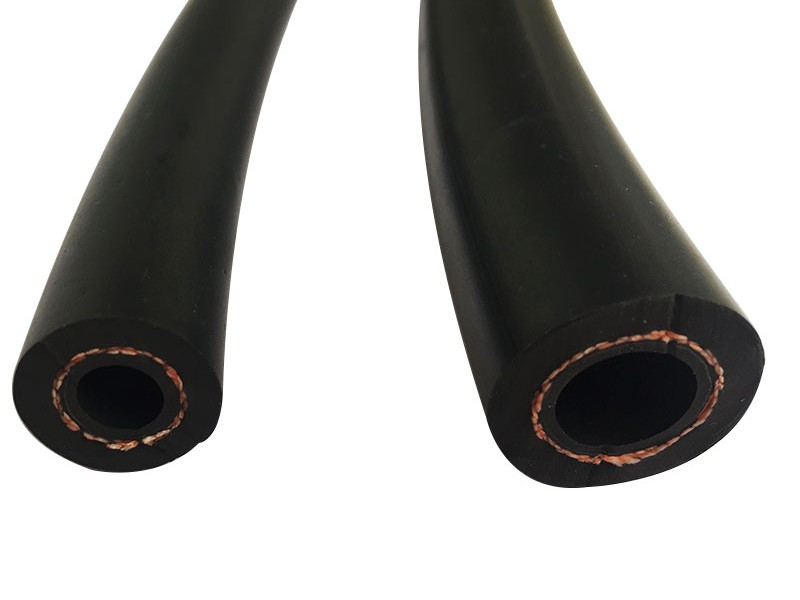
The manufacturing of Dayco hydraulic hoses involves a complex interplay of material science and precision engineering. Core materials include synthetic rubbers (typically nitrile, EPDM, or fluorocarbon, depending on fluid compatibility requirements), high-tensile steel wire for reinforcement, and polymer compounds for cover layers. Nitrile rubber (NBR) provides excellent resistance to petroleum-based fluids, making it common in automotive applications. EPDM rubber offers superior resistance to heat, ozone, and weathering, suitable for outdoor and high-temperature environments. Fluorocarbon rubbers (FKM, Viton) are employed where extreme chemical resistance is required. The steel wire reinforcement, typically a spiral-wound high-tensile steel braid, dictates the hose's pressure rating. The manufacturing process typically begins with the extrusion of the inner tube. This is followed by the winding of the steel reinforcement layers, ensuring consistent tension and coverage. A bonding agent is applied to facilitate adhesion between the rubber and steel. The outer cover is then extruded, providing abrasion and environmental protection. Key parameter control during manufacturing includes precise temperature regulation during extrusion, consistent steel wire tension, adequate curing time and temperature for rubber vulcanization, and rigorous dimensional checks. Post-production testing includes burst pressure testing, impulse pressure testing, and leak testing to verify performance characteristics. Modern facilities employ Statistical Process Control (SPC) to monitor and maintain manufacturing consistency.
Performance & Engineering
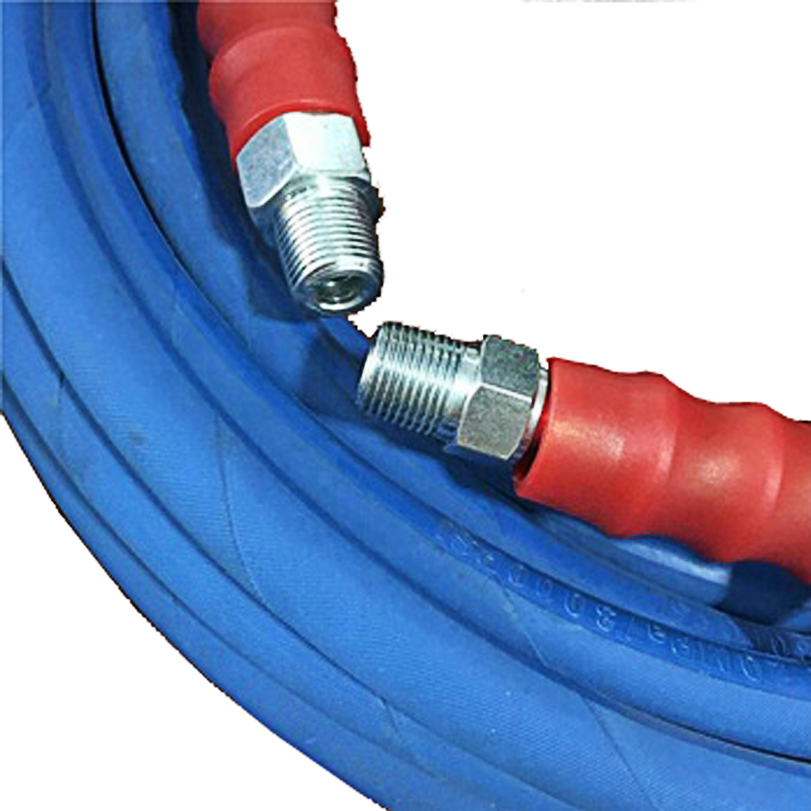
The performance of Dayco hydraulic hoses is fundamentally governed by principles of fluid mechanics, material strength, and fatigue analysis. Force analysis focuses on hoop stress within the hose wall resulting from internal pressure, and longitudinal stress from bending and axial loading. Higher pressures necessitate increased reinforcement layers to withstand hoop stress. Bending induces fatigue stress, and proper hose routing and bend radius control are critical to prevent premature failure. Environmental resistance is a key engineering consideration. Exposure to temperature extremes, UV radiation, and corrosive fluids can degrade rubber compounds and reduce hose life. Selection of appropriate rubber materials (NBR, EPDM, FKM) is paramount. Impulse pressure, representing pressure spikes and fluctuations, subjects the hose to cyclic loading and requires careful fatigue life assessment. Compliance requirements vary significantly by region and application. For automotive applications, hoses must meet SAE J189 standards. Industrial applications may require compliance with ISO standards, such as ISO 6898 for hydraulic hoses and ISO 1817 for constant pressure testing. Functional implementation requires consideration of hose end fittings (e.g., crimped, swaged, or threaded), which must be compatible with the hose material and application pressure. Proper fitting selection and installation are crucial to prevent leaks and maintain system integrity. Proper selection of hose based on operating temperature and fluid compatibility are also critical.
Technical Specifications
| Parameter | Unit | Typical Value (NBR Hose) | Typical Value (EPDM Hose) |
|---|---|---|---|
| Working Pressure | PSI | 3000 | 2500 |
| Burst Pressure | PSI | 9000 | 7500 |
| Temperature Range | °F | -40 to 212 | -40 to 250 |
| Inner Tube Material | - | Nitrile Rubber (NBR) | Ethylene Propylene Diene Monomer (EPDM) |
| Reinforcement | - | Spiral Steel Wire | Spiral Steel Wire |
| Cover Material | - | Synthetic Rubber | Synthetic Rubber |
Failure Mode & Maintenance
Hydraulic hose failures commonly manifest as burst pressure failures, leakage at fittings, or degradation of the hose material. Fatigue cracking, initiated by repeated bending and pressure cycling, is a major failure mode. Delamination, the separation of rubber layers from the steel reinforcement, can occur due to inadequate bonding or exposure to harsh chemicals. Oxidation and degradation of the rubber compounds are accelerated by exposure to heat, ozone, and UV radiation. Abrasion from external contact can wear away the cover layer, exposing the reinforcement and leading to corrosion. Internal corrosion can occur if the hose is used with incompatible fluids. Proper maintenance practices are crucial to prevent failures. Regular visual inspections should be conducted to identify cracks, abrasions, or swelling. Hose assemblies should be checked for proper torque on fittings. Hoses should be protected from excessive bending, kinking, and abrasion. Fluid contamination should be minimized through proper filtration. When replacing hoses, it is essential to use hoses that are rated for the operating pressure and temperature. Proper storage conditions (cool, dry, and dark) are also important to extend hose life. Implementing a preventative maintenance schedule, including hose replacement at specified intervals, can significantly reduce downtime and improve system reliability.
Industry FAQ
Q: What are the key differences between nitrile and EPDM rubber hoses, and when should each be used?
A: Nitrile (NBR) hoses excel in applications involving petroleum-based fluids like mineral oils and fuels, offering superior resistance to swelling and degradation. EPDM hoses, conversely, are more resistant to heat, ozone, weathering, and water. Therefore, NBR is preferred for automotive hydraulic systems, while EPDM is better suited for outdoor applications or systems exposed to high temperatures or water glycol fluids. Fluid compatibility is the primary driver of material selection.
Q: How does steel wire reinforcement affect the pressure rating of a hydraulic hose?
A: The number of steel wire layers and the wire diameter directly correlate with the hose's pressure rating. Each layer of steel braid contributes to the hose's ability to withstand internal pressure without bursting. A higher number of layers and thicker wire result in a higher pressure rating. The spiral angle of the wire also influences performance; a smaller angle provides greater strength.
Q: What is the impact of improper hose routing on hose life?
A: Improper hose routing, characterized by tight bends, kinking, or abrasion against surrounding components, significantly reduces hose life. Tight bends induce fatigue stress, leading to cracking. Kinking restricts fluid flow and can damage the inner tube. Abrasion wears away the cover layer, exposing the reinforcement to corrosion. Maintaining a sufficient bend radius and protecting the hose from external contact are crucial.
Q: What are the common causes of leakage at hose fittings?
A: Leakage at fittings often stems from improper crimping or swaging, incompatible fitting materials, damaged or corroded fittings, or loose connections. Using the correct crimping die and following manufacturer's specifications is critical. Ensuring compatibility between the hose and fitting materials prevents corrosion. Regularly checking and tightening connections helps prevent leaks.
Q: How important is burst pressure testing, and what does it indicate about hose quality?
A: Burst pressure testing is a critical quality control measure. It determines the maximum pressure a hose can withstand before failure, providing a safety margin above the working pressure. A higher burst pressure indicates a stronger hose with a greater reserve capacity. Testing should be conducted according to established standards (e.g., ISO 3186) to ensure accurate and reliable results.
Conclusion
OEM Dayco hydraulic hose factories play a vital role in ensuring the reliable transmission of power in countless applications. The manufacturing process demands careful material selection, precise engineering, and stringent quality control to meet demanding performance requirements. Understanding the interplay between material science, manufacturing techniques, and operating conditions is essential for selecting the appropriate hose for a given application and maximizing its service life. Continuous advancements in rubber technology, reinforcement materials, and manufacturing processes will further enhance the performance and durability of hydraulic hoses, contributing to improved system efficiency and safety.
Future developments will likely focus on lightweight hose designs utilizing composite materials, intelligent hose monitoring systems that detect wear and degradation, and environmentally friendly rubber compounds. A continued emphasis on adherence to international standards and rigorous testing protocols will be crucial to maintaining the integrity and reliability of hydraulic hose products. Collaboration between hose manufacturers, equipment OEMs, and end-users will drive innovation and address evolving industry needs.