
Apr . 01, 2024 17:55 Back to list
oem competitive price hydraulic hose suppliers Performance Engineering
Introduction
Hydraulic hoses are a critical component in numerous industrial and mobile hydraulic systems, responsible for transmitting fluid power to actuate machinery. OEM competitive price hydraulic hose suppliers focus on providing cost-effective solutions without compromising performance or reliability. These hoses are utilized across a diverse range of applications including construction equipment, agricultural machinery, material handling, and manufacturing processes. The technical position of these hoses lies within the fluid power transmission sub-system, directly impacting system efficiency, safety, and operational longevity. Core performance characteristics center on pressure capacity, temperature resistance, flexibility, and resistance to chemical attack and abrasion. Selecting the appropriate hose assembly, considering both hose and end fitting compatibility, is paramount to prevent premature failure and maintain system integrity. The increasing demand for higher operating pressures and specialized fluid compatibility drives continuous innovation in hose materials and construction techniques.
Material Science & Manufacturing
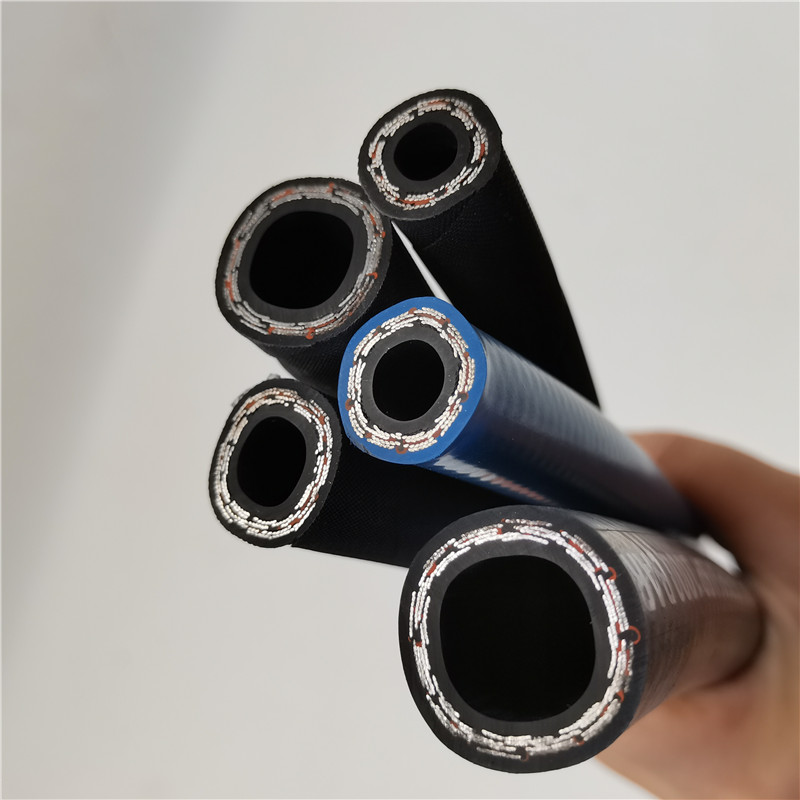
Hydraulic hoses are typically constructed from a combination of materials selected for their specific properties. The inner tube, responsible for fluid containment, is commonly composed of synthetic rubbers such as Nitrile (NBR), Ethylene Propylene Diene Monomer (EPDM), or Fluorocarbon (FKM – Viton). NBR offers excellent resistance to petroleum-based fluids, EPDM excels in phosphate ester fluids and high-temperature applications, while FKM provides superior resistance to a wide range of chemicals and high temperatures. Reinforcement layers provide strength and pressure resistance. These layers can be comprised of one or multiple braids of high-tensile steel wire, or spiral-wound synthetic fibers like aramid. The outer cover, providing abrasion, weather, and chemical resistance, is usually made from synthetic rubbers like Chloroprene (CR) or Polyurethane (PU). Manufacturing processes vary depending on hose type. Braided hoses are created by interlacing steel wire around a mandrel, followed by vulcanization of the inner tube and outer cover. Spiral-wound hoses involve wrapping high-tensile fibers under tension around the inner tube, followed by an outer cover application. Key parameter control during manufacturing includes precise layer winding tension for spiral hoses, consistent braid coverage for braided hoses, proper rubber compound mixing ratios, and controlled vulcanization temperatures and times to ensure optimal polymer crosslinking and material properties. Hose dimensional accuracy, particularly inner diameter and outer diameter, is critical for fitting compatibility and must be rigorously controlled.
Performance & Engineering
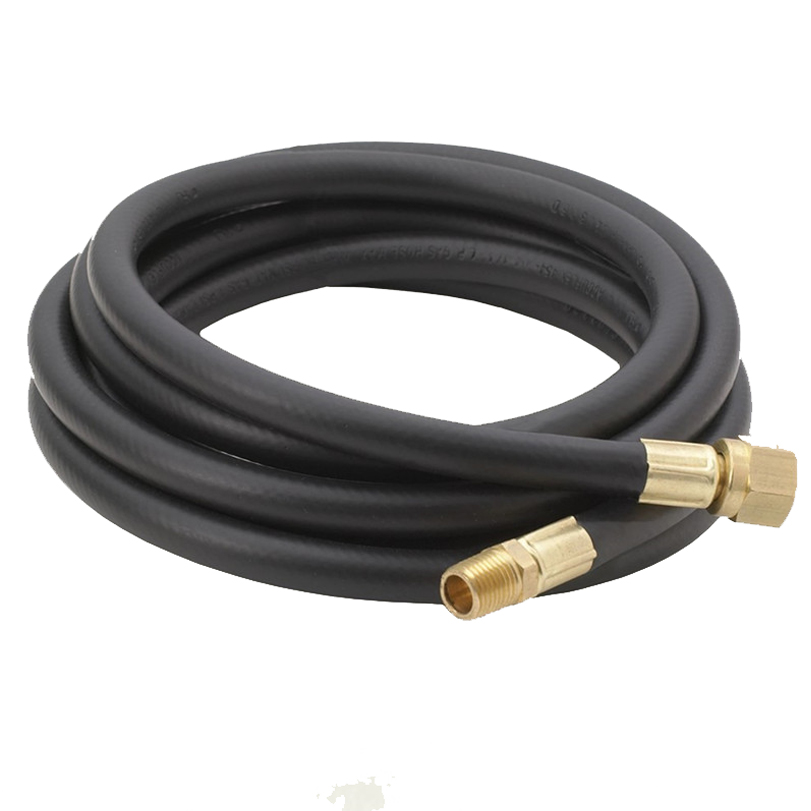
Hydraulic hose performance is governed by several engineering principles. Burst pressure, working pressure, and safety factor are crucial specifications. Burst pressure represents the maximum pressure the hose can withstand before failure, while working pressure is a fraction of the burst pressure (typically 1/4) representing safe operating limits. Safety factor accounts for dynamic loads, temperature fluctuations, and fluid shock. Hose flexibility is determined by its bend radius, directly influencing ease of installation and routing within confined spaces. Environmental resistance, including exposure to ozone, UV radiation, and various chemicals, is critical for outdoor applications and harsh operating environments. Fatigue life, the number of pressure cycles the hose can withstand before failure, is a significant concern in applications with frequent start-stop operations. Force analysis involves calculating the hoop stress within the hose wall under pressure, influencing reinforcement layer design. Compliance requirements, such as ISO 6897, SAE J517, and DIN EN 853, dictate minimum performance standards and testing procedures. Proper hose assembly, including correct fitting crimping, is crucial for achieving rated performance. Incorrect crimping can lead to premature failure at the fitting connection.
Technical Specifications
| Hose Type | Working Pressure (PSI) | Burst Pressure (PSI) | Temperature Range (°F) |
|---|---|---|---|
| Hydraulic SAE 100 R1AT | 2000 | 8000 | -40 to 212 |
| Hydraulic SAE 100 R2AT | 1200 | 4800 | -40 to 212 |
| Thermoplastic Hydraulic SAE 100 R7 | 3000 | 12000 | -40 to 250 |
| Hydraulic SAE 100 R6 | 1500 | 6000 | -40 to 180 |
| Ultra High Pressure SAE 100 R15 | 4000 | 16000 | -40 to 200 |
| Chemical Resistant PTFE | 1000 | 4000 | -65 to 450 |
Failure Mode & Maintenance
Hydraulic hose failure modes are diverse. Fatigue cracking, often initiated at the fitting connection, occurs due to repeated pressure cycling. Pinholes, small leaks in the inner tube, can result from abrasion or chemical attack. Bursting, a catastrophic failure, occurs when the pressure exceeds the hose’s rated capacity. Twisting, kinking, and overtightening can damage the reinforcement layers, reducing pressure resistance. Abrasion from external contact can wear through the outer cover, exposing the reinforcement. Degradation of the rubber compounds due to exposure to ozone, UV radiation, or incompatible fluids leads to loss of flexibility and eventual failure. Oxidation causes the rubber to become brittle and crack. Maintenance involves regular visual inspections for signs of wear, cracks, or leaks. Checking hose routing to prevent twisting or kinking is critical. Ensuring proper fitting crimping and compatibility with the fluid being conveyed is essential. Replacing hoses at recommended intervals, even if no visible damage is present, is a preventative measure. Proper storage, avoiding direct sunlight and extreme temperatures, prolongs hose life. Should a leak develop, immediate shutdown and replacement are necessary to prevent further damage and potential safety hazards. Detailed failure analysis, including examining fracture surfaces, can pinpoint the root cause and prevent recurrence.
Industry FAQ
Q: What is the difference between a braided and spiral-wound hydraulic hose, and which is better for high-pressure applications?
A: Braided hoses utilize multiple layers of steel wire interwoven, offering excellent flexibility but limited pressure capacity for a given size. Spiral-wound hoses use a single, continuously wound layer of high-tensile steel wire, providing significantly higher pressure ratings and superior burst strength compared to braided hoses of similar dimensions. For high-pressure applications exceeding 3000 PSI, spiral-wound hoses are generally preferred due to their enhanced pressure containment capabilities.
Q: How do I determine the correct hose size and fitting type for my hydraulic system?
A: Correct hose size is determined by flow rate and pressure drop calculations. Larger inner diameters reduce friction loss and improve flow. Fitting type must be compatible with both the hose end configuration and the port on the hydraulic component. Common fitting types include crimped, field-attachable, and permanent. Always refer to the manufacturer's specifications for hose and fitting compatibility.
Q: What is the impact of fluid compatibility on hose selection?
A: Using an incompatible fluid can cause the inner tube to swell, soften, or degrade, leading to leaks and premature failure. It’s critical to select a hose with an inner tube material specifically rated for the fluid being conveyed. For example, petroleum-based fluids require NBR or FKM hoses, while phosphate ester fluids require EPDM.
Q: What safety precautions should be taken when assembling and installing hydraulic hoses?
A: Always depressurize the hydraulic system before disconnecting or assembling hoses. Wear appropriate personal protective equipment (PPE), including safety glasses and gloves. Ensure the hose is routed correctly to avoid twisting, kinking, or abrasion. Use properly calibrated crimping tools and follow the manufacturer's recommended crimp specifications. Never exceed the hose’s rated working pressure.
Q: What are the key factors to consider when evaluating OEM hydraulic hose suppliers?
A: Evaluate suppliers based on their quality control procedures, adherence to industry standards (ISO 9001), material certifications, testing capabilities, lead times, and pricing competitiveness. A strong supplier will offer technical support and be able to provide custom hose assemblies tailored to your specific requirements.
Conclusion
The selection and implementation of hydraulic hoses represent a significant factor in overall system performance and reliability. OEM competitive price hydraulic hose suppliers play a crucial role in providing cost-effective solutions that meet stringent industry standards. Understanding the underlying material science, manufacturing processes, performance characteristics, and potential failure modes is essential for engineers and procurement professionals alike. Careful consideration of fluid compatibility, pressure requirements, and environmental conditions ensures optimal hose longevity and prevents costly downtime.
Continuous advancements in hose technology, including the development of new materials and construction techniques, are driving improvements in pressure ratings, temperature resistance, and chemical compatibility. Maintaining a proactive approach to hose inspection and maintenance, alongside collaboration with reputable suppliers, will remain critical for maximizing hydraulic system efficiency and safety. Proper hose management is not simply a matter of cost control, but a cornerstone of operational integrity.