
Apr . 01, 2024 17:55 Back to list
oem competitive price hydraulic hose manufacturers Performance Analysis
Introduction
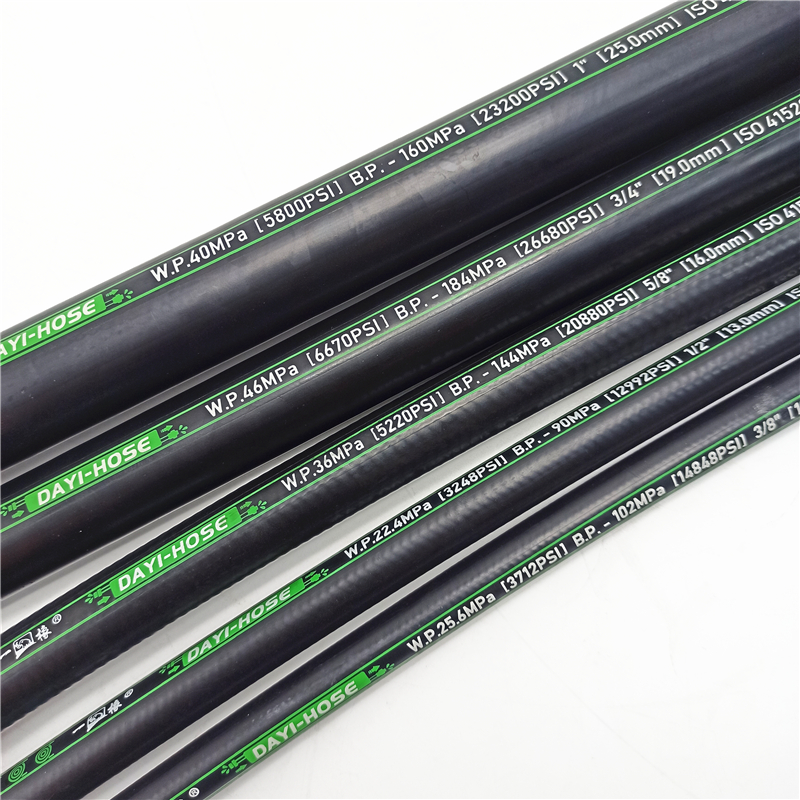
Hydraulic hoses are critical components in fluid power systems, responsible for transmitting hydraulic fluid to actuators and other devices. OEM competitive price hydraulic hose manufacturers cater to a diverse range of industries, including construction, agriculture, mining, material handling, and manufacturing. These hoses are characterized by their ability to withstand high pressures, temperatures, and exposure to harsh chemicals. Their performance directly impacts system efficiency, reliability, and safety. The industry is increasingly focused on hose designs optimized for minimized weight, extended service life, and compatibility with environmentally friendly fluids. This guide provides an in-depth exploration of the material science, manufacturing processes, performance parameters, failure modes, and maintenance requirements associated with OEM-supplied hydraulic hoses, offering a technical perspective for procurement professionals and engineers.
Material Science & Manufacturing
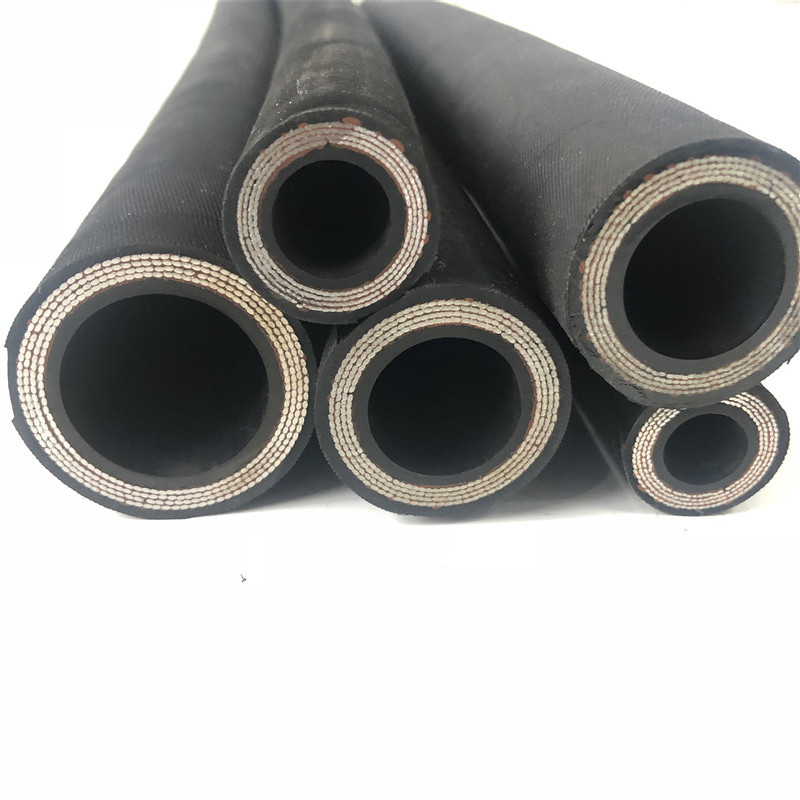
The construction of a hydraulic hose typically involves four primary layers: the inner tube, reinforcement layers, and the outer cover. The inner tube, responsible for fluid containment, is commonly composed of synthetic rubbers such as nitrile (NBR), chloroprene (CR), or ethylene propylene diene monomer (EPDM). NBR offers excellent resistance to petroleum-based fluids, while CR provides superior ozone and weathering resistance. EPDM is favored for phosphate ester-based hydraulic fluids. Reinforcement layers contribute to the hose’s pressure-bearing capability and flexibility. These layers consist of braided or spiraled high-tensile steel wire, or synthetic fiber like aramid. Steel wire provides higher pressure ratings but less flexibility; aramid offers exceptional flexibility with good pressure resistance but is susceptible to damage from heat and abrasion. The outer cover protects the reinforcement layers from abrasion, weathering, and chemical attack, typically utilizing a polyurethane or rubber compound. Manufacturing processes include extrusion for the inner tube and outer cover, followed by precisely winding or braiding the reinforcement layers. Precise control of extrusion temperatures, cure times, and reinforcement tension is critical for achieving consistent hose properties. Quality control involves rigorous testing of raw materials, dimensional accuracy, and destructive pressure testing to ensure compliance with industry standards. The selection of materials directly impacts the hose's resistance to chemical degradation, temperature extremes, and mechanical stress.
Performance & Engineering
Hydraulic hose performance is dictated by several critical engineering parameters. Burst pressure, working pressure, and safety factor are primary considerations. Working pressure is typically defined as 70% of the burst pressure, with a safety factor of 4:1 being common. Hose flexibility, measured by bend radius, is vital for installation in confined spaces. Temperature range dictates the operational limits of the hose; exceeding these limits can lead to material degradation and failure. Fluid compatibility is also paramount; selecting a hose material incompatible with the hydraulic fluid will cause swelling, cracking, and reduced service life. Fatigue resistance is a crucial factor in applications involving cyclic loading. Finite element analysis (FEA) is frequently employed to model hose behavior under pressure and bending, optimizing reinforcement configurations and material selection. Electrostatic dissipative (ESD) hoses are increasingly used in applications where static electricity buildup poses a hazard. Compliance with regulations like REACH and RoHS dictates restrictions on hazardous substances used in hose construction. Proper hose assembly, including correct crimping procedures and fitting selection, is crucial for achieving optimal performance and preventing premature failure. Stress analysis of the hose and fitting interface under pressure is a critical design consideration.
Technical Specifications
| Parameter | Unit | Typical Value (NBR/Steel Wire Braid) | Typical Value (EPDM/Aramid Spiral) |
|---|---|---|---|
| Working Pressure | MPa | 20 | 30 |
| Burst Pressure | MPa | 80 | 120 |
| Temperature Range | °C | -40 to +100 | -50 to +150 |
| Inner Tube Material | - | Nitrile Rubber (NBR) | Ethylene Propylene Diene Monomer (EPDM) |
| Reinforcement Type | - | Steel Wire Braid (2:1 ratio) | Aramid Spiral |
| Outer Cover Material | - | Polyurethane | Polyurethane |
Failure Mode & Maintenance
Hydraulic hose failures can arise from several mechanisms. Fatigue cracking, induced by repeated pressure cycles and bending, is a common failure mode. Abrasion damage from contact with abrasive surfaces can compromise the outer cover, exposing the reinforcement layers. Pinholes in the inner tube can result from corrosion or chemical attack. Fitting corrosion, particularly in harsh environments, can lead to leaks and hose separation. Incorrect hose installation, such as over-tightening crimps or using incompatible fittings, significantly accelerates failure rates. Kinking, caused by exceeding the minimum bend radius, can restrict fluid flow and lead to hose rupture. Thermal degradation, due to exposure to excessive temperatures, results in material embrittlement and cracking. Preventive maintenance includes regular visual inspections for signs of damage, checking for leaks, and verifying proper hose routing and support. Hose replacement should be performed according to manufacturer recommendations or when signs of wear or damage are detected. Proper storage of hoses, protecting them from sunlight, ozone, and extreme temperatures, extends their service life. Implementing a hose management program, including detailed record-keeping and scheduled inspections, minimizes downtime and ensures system reliability.
Industry FAQ
Q: What is the impact of impulse pressure on hydraulic hose life?
A: Impulse pressure, or pressure spikes, significantly reduces hose life. These spikes generate dynamic stress in the hose wall, accelerating fatigue failure. Hoses specifically designed for high-impulse applications incorporate specialized reinforcement configurations and materials to mitigate this effect. Careful selection of hoses based on the system’s pressure profile and implementation of pulsation dampeners are essential for maximizing hose longevity.
Q: How does the selection of fitting material affect hose performance?
A: The fitting material must be chemically compatible with both the hose and the hydraulic fluid. Galvanized steel fittings can corrode, leading to leaks. Stainless steel and brass fittings offer superior corrosion resistance but may be more expensive. Proper crimping procedures and fitting selection are crucial for creating a secure and leak-proof connection. Mismatched fittings can cause premature failure.
Q: What are the key differences between braided and spiral hydraulic hoses?
A: Braided hoses offer higher pressure ratings and are generally less expensive but have limited flexibility. Spiral hoses provide superior flexibility, allowing for easier routing in confined spaces, but typically have a lower pressure rating for a given size. Spiral hoses are also more resistant to twisting and kinking.
Q: How important is proper hose routing and support?
A: Proper hose routing and support are critical for preventing abrasion, kinking, and fatigue failure. Hoses should be routed away from sharp edges, hot surfaces, and moving parts. Support clamps should be used to secure hoses and prevent excessive movement. Avoiding tight bends and maintaining adequate clearance are essential.
Q: What are the benefits of using synthetic hydraulic fluids with hydraulic hoses?
A: Synthetic hydraulic fluids, such as water glycol or phosphate ester fluids, offer superior fire resistance and environmental friendliness compared to petroleum-based fluids. However, they require hoses constructed from compatible materials, such as EPDM or fluorocarbon rubber, to prevent swelling, degradation, and leaks. Careful fluid and hose material selection is crucial for optimal performance and safety.
Conclusion
The selection and maintenance of hydraulic hoses are crucial aspects of fluid power system performance and reliability. OEM competitive price hydraulic hose manufacturers offer a wide range of products designed to meet diverse application requirements. Understanding the material science, manufacturing processes, and performance parameters of these hoses is essential for making informed procurement decisions and ensuring long-term operational efficiency.
Future developments in hydraulic hose technology will likely focus on lightweight materials, increased pressure ratings, and improved resistance to harsh environments. Predictive maintenance techniques, utilizing sensor data to monitor hose condition and anticipate failures, will also play an increasingly important role in maximizing system uptime and minimizing maintenance costs. A holistic approach to hose management, encompassing proper selection, installation, maintenance, and monitoring, is paramount for achieving optimal performance and extending the service life of hydraulic systems.