
Apr . 01, 2024 17:55 Back to list
oem competitive price hydraulic hose factory Performance Analysis
Introduction
Hydraulic hoses, specifically those offered through OEM competitive price hydraulic hose factories, represent a critical component in fluid power systems across a diverse range of industries, including construction, agriculture, manufacturing, and automotive. These hoses are engineered to transmit hydraulic fluid under substantial pressure, facilitating the operation of machinery and equipment. The selection of a suitable hydraulic hose is paramount, directly impacting system efficiency, reliability, and safety. This guide provides a comprehensive technical overview, covering material science, manufacturing processes, performance characteristics, failure modes, and relevant industry standards related to OEM sourced hydraulic hoses. Core industry pain points revolve around hose durability, burst pressure consistency, compatibility with various fluids, and the challenge of mitigating failure in demanding operational environments. The trend towards miniaturization and increased operating pressures necessitates increasingly sophisticated hose designs and materials, demanding close collaboration between hose manufacturers and OEM equipment builders.
Material Science & Manufacturing
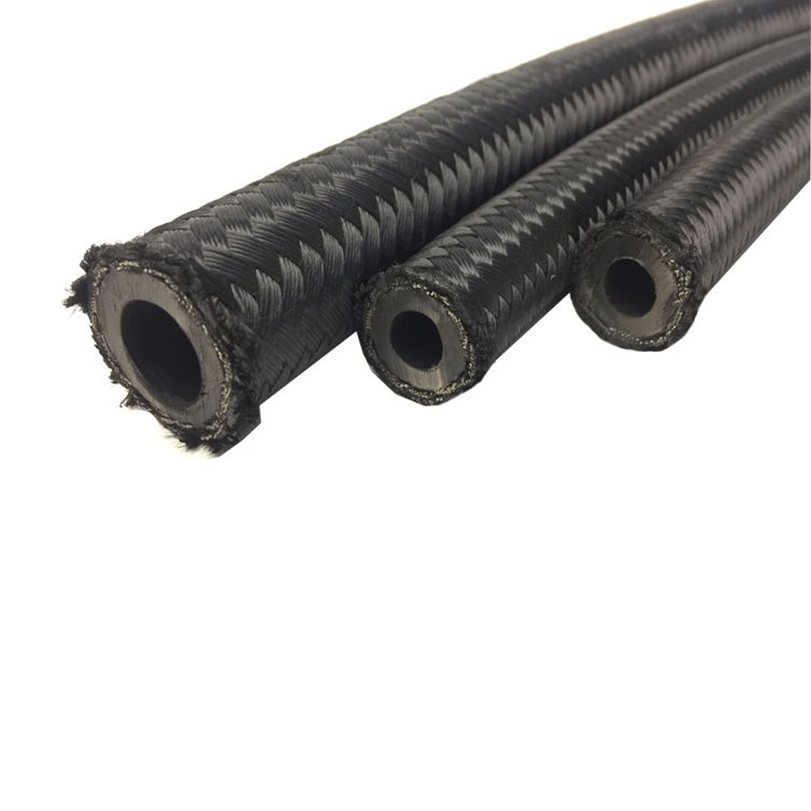
Hydraulic hoses are typically constructed from multiple layers, each serving a specific function. The inner tube, which comes into direct contact with the hydraulic fluid, is commonly manufactured from synthetic rubbers such as nitrile (NBR), ethylene propylene diene monomer (EPDM), or fluorocarbon (FKM/Viton). NBR offers excellent resistance to petroleum-based fluids, making it suitable for general-purpose applications. EPDM exhibits superior resistance to heat, ozone, and weathering, often utilized in cooling systems or outdoor environments. FKM provides exceptional resistance to a wide range of chemicals and high temperatures, essential for aggressive fluids and demanding conditions. The reinforcement layer(s) provide the hose's strength and pressure resistance. These layers often consist of braided steel wire (high-pressure applications), spiral-wound steel wire (very high-pressure applications), or textile reinforcement (lower-pressure applications). The outer cover, designed for environmental protection and abrasion resistance, is generally composed of synthetic rubber like chloroprene (CR) or polyurethane (PU). Manufacturing processes involve extrusion of the inner tube and cover, followed by the application of reinforcement layers through braiding or winding. Critical parameter control during extrusion includes maintaining precise temperature profiles, consistent material feed rates, and proper die design to ensure uniform wall thickness and dimensional accuracy. Steel wire braiding necessitates careful tension control to achieve the desired reinforcement density and prevent wire breakage. Post-manufacturing quality control includes hydrostatic pressure testing to verify burst pressure and leak testing to confirm fluid containment.
Performance & Engineering
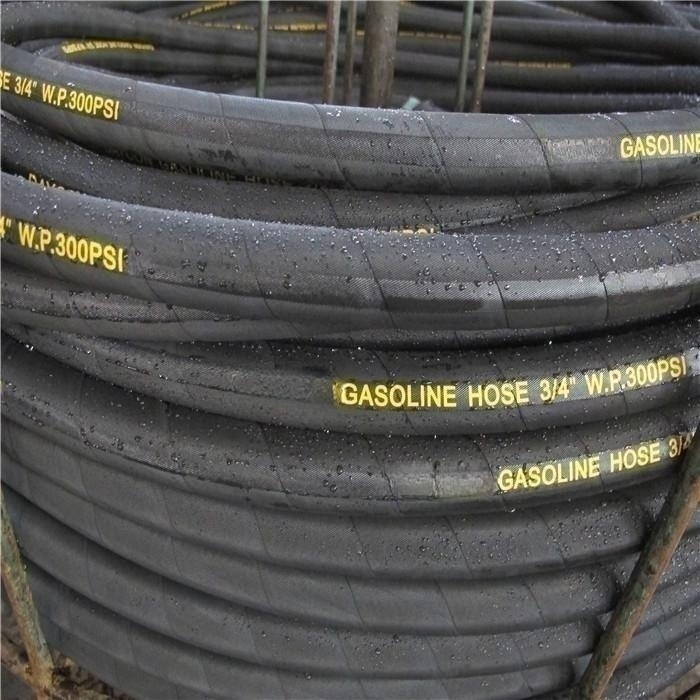
The performance of a hydraulic hose is dictated by several key engineering considerations. Burst pressure, defined as the pressure at which the hose fails catastrophically, is a primary specification. Working pressure, typically specified as a percentage (e.g., 50% or 75%) of the burst pressure, represents the maximum recommended operating pressure. Hose selection must account for the entire system pressure, including pressure spikes and surges. Tensile strength, representing the hose's resistance to axial loads, is critical in applications involving bending, flexing, or pulling forces. Fatigue resistance, the hose’s ability to withstand repeated pressure cycles and mechanical stress, is essential for long-term reliability. Environmental resistance encompasses factors such as temperature extremes, exposure to UV radiation, ozone, and corrosive fluids. Compliance requirements vary depending on the industry and application. For example, hoses used in automotive applications must meet SAE J517 standards, while those used in aerospace applications may be subject to stricter certification requirements. Force analysis involves calculating hoop stress in the hose wall under pressure, considering the material properties and dimensions. Proper hose routing and support are crucial to prevent kinking, abrasion, and excessive bending, all of which can compromise performance and lifespan. Furthermore, compatibility of hose materials with the hydraulic fluid is vital to prevent swelling, degradation, and contamination.
Technical Specifications
| Parameter | Unit | Typical Value (NBR/Steel Wire Braid) | Typical Value (FKM/Spiral Steel Wire) |
|---|---|---|---|
| Working Pressure | PSI | 2000 | 5000 |
| Burst Pressure | PSI | 8000 | 20000 |
| Temperature Range | °F | -40 to +212 | -20 to +400 |
| Inner Diameter | inches | 0.25 - 2.0 | 0.5 - 4.0 |
| Outer Diameter | inches | 0.375 - 2.5 | 0.75 - 5.0 |
| Bend Radius (Min) | inches | 4 | 8 |
Failure Mode & Maintenance
Hydraulic hose failure can manifest in several ways. Bursting is a catastrophic failure resulting from exceeding the working pressure or material degradation. Kinking occurs when the hose is bent beyond its minimum bend radius, restricting fluid flow and potentially causing internal damage. Abrasion results from external contact with rough surfaces, wearing away the outer cover and exposing the reinforcement layers. Pinholing is a localized leak caused by damage to the inner tube, often due to corrosion or fluid incompatibility. Fatigue cracking develops over time due to repeated flexing and pressure cycles, initiating in areas of high stress concentration. Delamination refers to the separation of layers within the hose wall, compromising its structural integrity. Oxidation and degradation of the rubber materials can occur due to exposure to heat, ozone, and UV radiation. Maintenance involves regular visual inspections for signs of wear, kinking, or abrasion. Pressure testing should be conducted periodically to verify the hose's integrity. Proper hose routing and support are essential to prevent mechanical damage. Contamination of the hydraulic fluid should be prevented through filtration to minimize internal erosion and corrosion. When replacing a hose, it is crucial to use the correct specifications and ensure proper installation, including correct fittings and torque values. Following a strict preventative maintenance schedule is critical to maximizing hose lifespan and minimizing downtime.
Industry FAQ
Q: What is the impact of fluid compatibility on hose lifespan?
A: Incompatible fluids can cause swelling, softening, or degradation of the inner tube material, leading to leaks and premature failure. Selecting a hose with an inner tube specifically rated for the intended fluid is critical. For example, using a nitrile hose with phosphate ester fluids will result in rapid degradation.
Q: How does temperature affect hydraulic hose performance?
A: Extreme temperatures can significantly impact hose performance. High temperatures accelerate material degradation and reduce burst pressure. Low temperatures can cause the rubber to become brittle and more susceptible to cracking. It’s vital to select a hose rated for the operating temperature range.
Q: What are the key considerations when selecting a hose reinforcement type?
A: Braided reinforcement is suitable for moderate to high pressures and offers good flexibility. Spiral-wound reinforcement provides significantly higher pressure ratings but generally has reduced flexibility. Textile reinforcement is used for lower-pressure applications and offers excellent flexibility.
Q: What is the proper procedure for installing hydraulic hose fittings?
A: Proper fitting installation is crucial for preventing leaks and ensuring safety. Fittings should be clean and undamaged. Use the correct cutting tools to ensure a square cut. Apply a small amount of thread sealant to prevent leakage. Torque the fittings to the manufacturer's specifications using a calibrated torque wrench.
Q: How can I identify potential hose failure before it occurs?
A: Regular visual inspections are key. Look for signs of cracking, abrasion, kinking, swelling, or discoloration. Pay attention to any unusual noises or vibrations during operation. Implement a scheduled pressure testing program to proactively identify weakened hoses.
Conclusion
OEM competitive price hydraulic hose selection is a complex process that requires a thorough understanding of material science, engineering principles, and industry standards. The optimal hose configuration is dependent upon a variety of factors, including operating pressure, temperature, fluid compatibility, and mechanical stress. Prioritizing robust design, high-quality materials, and rigorous testing is essential for ensuring long-term reliability and minimizing downtime.
Future trends in hydraulic hose technology are focused on developing lighter-weight materials, enhancing corrosion resistance, and integrating smart sensors for real-time monitoring of hose condition. Adopting these advancements and maintaining a proactive maintenance program are crucial for optimizing hydraulic system performance and ensuring operational safety. Proper selection and diligent maintenance are not merely cost-saving measures, but fundamental aspects of reliable industrial operation.