
Apr . 01, 2024 17:55 Back to list
oem competitive price hydraulic hose factories Performance Analysis
Introduction
Hydraulic hose assemblies are critical components in fluid power systems, responsible for transmitting pressurized fluid to actuators and other hydraulic devices. OEM competitive pricing in hydraulic hose manufacturing is driven by several factors, including material costs, manufacturing efficiency, and economies of scale. This guide details the engineering principles, material science, manufacturing processes, performance characteristics, failure modes, and industry standards associated with hydraulic hoses, focusing on considerations for Original Equipment Manufacturers (OEMs) seeking cost-effective solutions. Hydraulic hoses are categorized based on pressure rating, construction (braided, spiral cut, non-reinforced), and fluid compatibility. The selection process is paramount, directly influencing system reliability, safety, and operational lifespan. Core performance characteristics include burst pressure, working pressure, temperature range, and resistance to chemical attack and abrasion. The industry faces continuous pressure to reduce costs without compromising safety or performance, necessitating a deep understanding of material properties and manufacturing best practices.
Material Science & Manufacturing
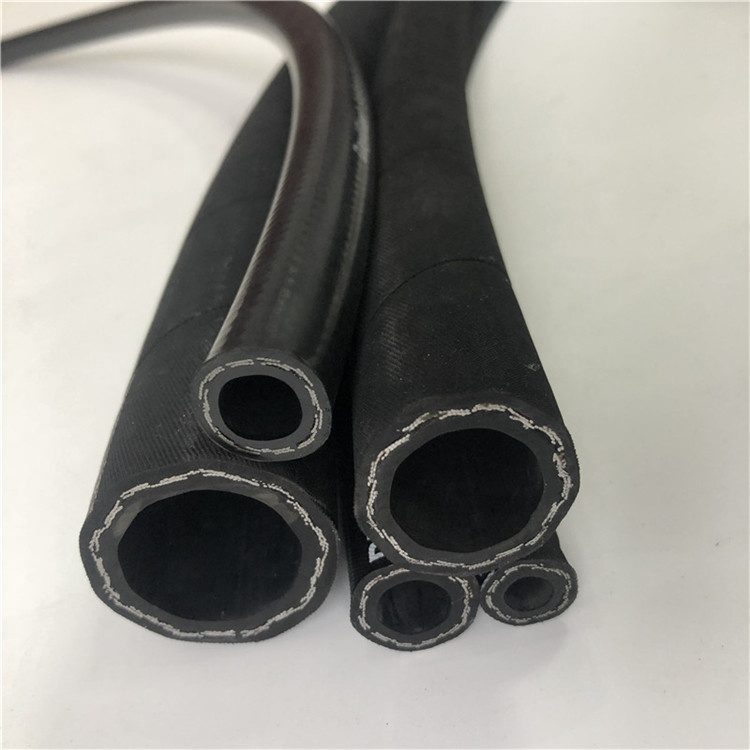
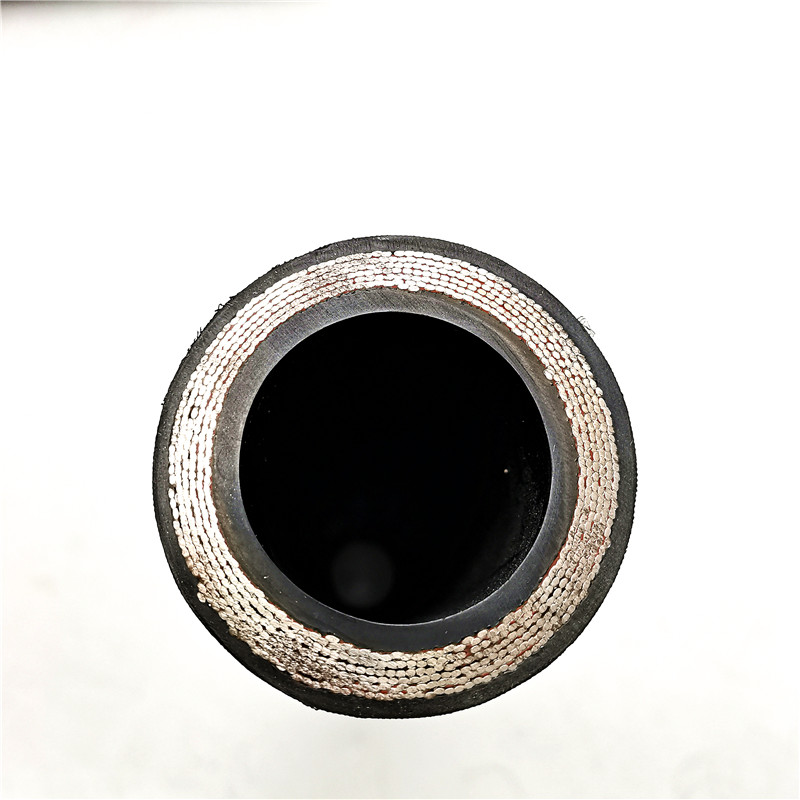
The primary materials used in hydraulic hose construction are synthetic rubbers, thermoplastic polymers, and reinforcing fibers. Common rubber compounds include nitrile rubber (NBR) for oil resistance, ethylene propylene diene monomer (EPDM) for water and heat resistance, and chloroprene rubber (CR) for general-purpose applications. Thermoplastic hoses utilize materials like polyester, polyamide (nylon), and polypropylene, offering dimensional stability and resistance to certain chemicals. Reinforcement layers typically consist of high-tensile steel wire, aramid fiber, or textile braiding, providing burst strength and preventing hose collapse under vacuum conditions. Manufacturing processes vary based on hose type. Braided hoses involve helically winding reinforcement strands around a central core tube, followed by curing and extrusion of the outer cover. Spiral cut hoses utilize pre-formed steel wire wound in a spiral configuration, offering higher pressure ratings. Injection molding is used for the end fittings, requiring precise control of temperature, pressure, and material flow to ensure a secure bond with the hose. Key parameter control during manufacturing includes maintaining consistent rubber compound mixing ratios, precise braiding tension, accurate wire pitch in spiral hoses, and proper curing times to achieve optimal material properties. Chemical compatibility testing of the hose materials with the intended hydraulic fluid is crucial to prevent swelling, degradation, or cracking.
Performance & Engineering
Hydraulic hose performance is governed by several engineering principles. Burst pressure, a critical safety parameter, represents the maximum pressure the hose can withstand before rupture. Working pressure, typically a fraction of the burst pressure (typically 1/4), defines the safe operating limit. Finite element analysis (FEA) is often employed during the design phase to predict stress distribution within the hose under various loading conditions. Environmental resistance is a key consideration, especially in applications exposed to extreme temperatures, UV radiation, ozone, and corrosive chemicals. The selection of appropriate hose materials and cover compounds is crucial for ensuring long-term durability in these environments. Compliance requirements vary by industry and region. For example, the automotive industry adheres to SAE J517 standards, while industrial applications may require compliance with ISO 6898. Force analysis involves calculating the tensile and shear stresses acting on the hose during operation, considering factors such as fluid pressure, hose bending radius, and external loads. Proper hose routing and support are essential to prevent excessive bending, abrasion, and fatigue failure. Failure to adhere to specified minimum bend radii can significantly reduce hose lifespan. The hydraulic fluid’s viscosity and temperature also affect performance, influencing pressure drop and heat generation.
Technical Specifications
| Parameter | Unit | Specification (Typical) | Test Standard |
|---|---|---|---|
| Working Pressure | MPa | 16 - 42 | ISO 6898 |
| Burst Pressure | MPa | 64 - 168 | ISO 3766 |
| Temperature Range | °C | -40 to +100 | DIN EN 856 |
| Hose Material | - | NBR, EPDM, CR, Polyester | ASTM D2000 |
| Reinforcement | - | Steel Wire Braid (1, 2, 4 layers), Aramid Fiber | SAE J517 |
| Fluid Compatibility | - | Mineral Oil, Synthetic Fluids, Water | ISO 1783 |
Failure Mode & Maintenance
Hydraulic hose failure can occur through various mechanisms. Fatigue cracking, caused by repeated bending and flexing, is a common failure mode, particularly in dynamic applications. Abrasion, resulting from contact with abrasive surfaces, can erode the outer cover and expose the reinforcement layers. Chemical degradation, due to incompatibility with the hydraulic fluid or environmental contaminants, can lead to swelling, softening, or cracking of the hose material. Oxidation, caused by exposure to oxygen and heat, can embrittle the rubber compounds. Fitting failure, resulting from improper installation or corrosion, can create leak paths. Internal hose collapse can occur under vacuum conditions if the reinforcement structure is inadequate. Preventive maintenance is crucial for extending hose lifespan. Regular visual inspections should be conducted to identify signs of wear, damage, or leakage. Hose routing should be optimized to minimize bending and abrasion. Proper fitting installation techniques, including correct torque values and the use of appropriate sealing compounds, are essential. Fluid cleanliness is critical, as particulate contamination can accelerate wear and damage. Periodic fluid analysis can help identify potential problems. Replacement schedules should be based on operating conditions, fluid type, and manufacturer's recommendations.
Industry FAQ
Q: What is the impact of hose layline markings on traceability and quality control?
A: Hose layline markings, typically extruded onto the outer cover, provide critical information about the manufacturer, hose type, manufacturing date, and pressure rating. These markings are essential for traceability, enabling identification of the hose in case of failure or warranty claims. They also serve as a visual confirmation of quality control, ensuring the hose meets specified standards. Consistent layline markings are a key indicator of a reputable manufacturer.
Q: How do different reinforcement materials (steel wire vs. aramid fiber) affect hose weight, flexibility, and pressure rating?
A: Steel wire reinforcement provides higher tensile strength and burst pressure but adds significant weight and reduces flexibility. Aramid fiber reinforcement offers a lighter weight and greater flexibility, but typically has a lower pressure rating compared to steel wire. The choice between these materials depends on the specific application requirements, balancing the need for strength, weight, and flexibility.
Q: What are the key considerations when selecting a hose for use with biodegradable hydraulic fluids?
A: Biodegradable hydraulic fluids can be more aggressive towards certain hose materials. It's crucial to select hoses specifically rated for compatibility with the chosen fluid. EPDM rubber generally exhibits good compatibility with biodegradable fluids, while NBR may be susceptible to swelling or degradation. Thorough chemical compatibility testing is essential.
Q: How does the hose bend radius influence its service life and performance?
A: Operating a hose below its minimum specified bend radius creates excessive stress on the reinforcement layers and outer cover, leading to premature fatigue failure. Maintaining the recommended bend radius ensures even stress distribution and maximizes hose lifespan. Proper hose routing and support are critical for preventing excessive bending.
Q: What are the common causes of fitting leakage and how can they be prevented?
A: Common causes of fitting leakage include improper crimping, damaged sealing surfaces, incompatible fitting materials, and contamination. Prevention measures include using calibrated crimping tools, inspecting fittings for damage, ensuring material compatibility, and maintaining cleanliness during assembly. Proper torque application is also vital, avoiding over-tightening which can damage the fitting.
Conclusion
The selection and implementation of hydraulic hose assemblies represent a critical engineering consideration for OEMs. Achieving competitive pricing requires a holistic understanding of material science, manufacturing processes, and performance characteristics. Prioritizing material compatibility, maintaining adherence to industry standards, and implementing robust quality control measures are paramount for ensuring long-term reliability and safety. Proper hose selection, installation, and maintenance practices minimize the risk of failure, reduce downtime, and optimize system performance.
Future trends in hydraulic hose technology are focused on developing lighter-weight materials, enhancing chemical resistance, and improving durability. Advanced materials such as thermoplastic composites and self-healing polymers hold promise for extending hose lifespan and reducing maintenance requirements. Continued innovation in manufacturing processes, such as automated braiding and non-destructive testing, will further drive down costs and improve product quality.