
Apr . 01, 2024 17:55 Back to list
oem cat hydraulic hose supplier Performance Analysis

Introduction
Hydraulic hoses engineered for Original Equipment Manufacturers (OEMs), specifically those supplying Caterpillar (CAT) machinery, represent a critical component in heavy equipment hydraulic systems. These hoses are not merely fluid conduits; they are precision-engineered elements designed to withstand extreme pressures, temperatures, and dynamic stresses inherent in demanding applications like construction, mining, and agriculture. The technical position within the industry chain places the OEM hose supplier as a Tier 1 provider, responsible for direct supply to CAT, demanding stringent quality control, adherence to complex specifications, and robust performance characteristics. Core performance metrics include burst pressure, working pressure, temperature range, and resistance to fluid compatibility, ensuring operational reliability and minimizing downtime for end-users. The primary pain point in this sector is maintaining consistent quality under high production volumes and adapting to evolving fluid technologies and regulatory requirements.
Material Science & Manufacturing
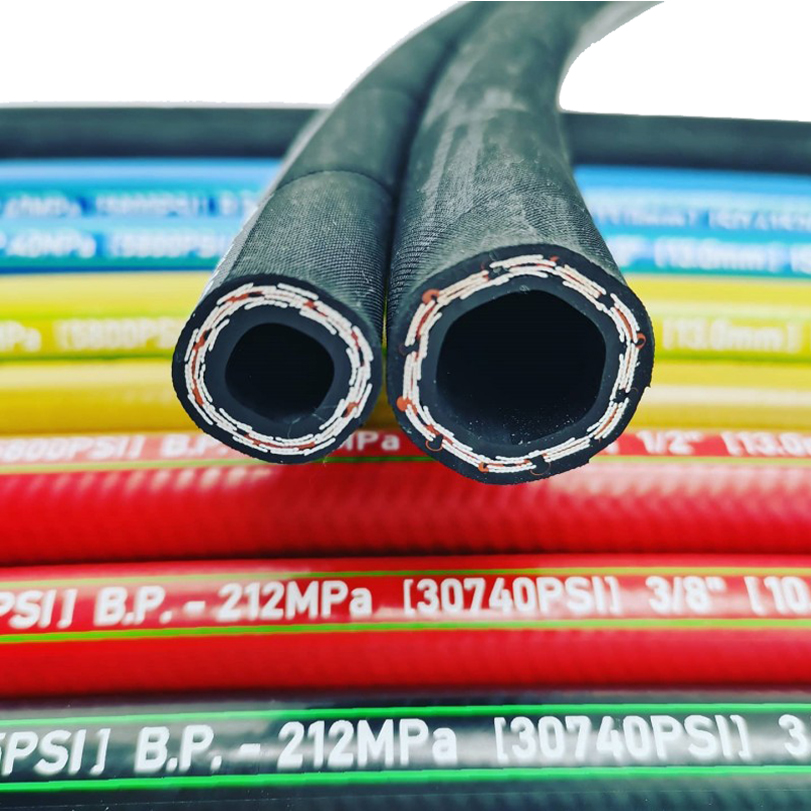
OEM CAT hydraulic hoses typically utilize a multi-layered construction. The innermost tube, critical for fluid compatibility, is commonly composed of synthetic rubbers like nitrile (NBR), ethylene propylene diene monomer (EPDM), or fluorocarbon (FKM – Viton) depending on the hydraulic fluid used (mineral oil, synthetic hydraulic fluid, phosphate ester fluid respectively). NBR offers good abrasion resistance and is suitable for moderate temperatures. EPDM provides superior resistance to heat, ozone, and weathering. FKM provides the highest level of chemical resistance and temperature stability but at a higher cost. Reinforcement layers are vital for pressure containment and consist of multiple high-tensile strength steel wire braids, often spiraled and varying in count based on pressure rating. The cover layer, providing environmental protection and abrasion resistance, is typically a synthetic rubber compound, often a blend of polyurethane or chloroprene. Manufacturing processes begin with rubber compounding, meticulously controlling polymer ratios, plasticizers, and reinforcing fillers. The tube extrusion process requires precise temperature control and die design to achieve consistent wall thickness and diameter. Steel wire braiding is an automated process demanding accurate tension control and consistent helix angle. Finally, hose assembly involves vulcanization (curing) to bond the layers, followed by end fitting attachment utilizing swaging or crimping techniques. Parameter control during vulcanization – temperature, pressure, and time – is paramount to achieve optimal material properties and prevent defects like voids or delamination.
Performance & Engineering
The performance of a CAT hydraulic hose is fundamentally governed by pressure-bearing capacity, defined by its burst pressure and working pressure. Burst pressure is the pressure at which the hose fails catastrophically, typically four times the working pressure. Working pressure is the maximum continuous operating pressure specified for safe and reliable operation. Finite Element Analysis (FEA) is routinely employed during the design phase to model stress distribution under various loading conditions, including internal pressure, external bending, and axial tension. The hose must also demonstrate resistance to fatigue failure, especially in applications with cyclical loading. Environmental resistance is crucial, including protection against ozone cracking, UV degradation, and abrasion from contact with surrounding components. Fluid compatibility is assessed by immersion testing in representative hydraulic fluids to evaluate swelling, softening, and degradation of the inner tube. Compliance with CAT’s stringent specifications, often exceeding industry standards, is paramount. These specifications dictate dimensional tolerances, material properties, and performance characteristics. Furthermore, hose assemblies must meet relevant safety standards related to fluid containment and failure prevention, minimizing the risk of fluid leaks and potential injury.
Technical Specifications
| Parameter | Unit | Specification (Typical) | Testing Standard |
|---|---|---|---|
| Working Pressure | MPa | 35 | SAE J517 |
| Burst Pressure | MPa | 140 | SAE J517 |
| Temperature Range | °C | -40 to +100 | SAE J517 |
| Inner Tube Material | - | NBR/EPDM/FKM | ASTM D2000 |
| Reinforcement | - | 2/4/6 Spiral Wire Steel | ASTM A938 |
| Cover Material | - | Polyurethane | ASTM D2000 |
Failure Mode & Maintenance
Common failure modes in OEM CAT hydraulic hoses include burst failure due to exceeding working pressure, fatigue cracking resulting from repeated bending and flexing, abrasion of the cover layer leading to reinforcement exposure, and fluid incompatibility causing inner tube degradation. Burst failures are often initiated by localized weaknesses in the hose wall, such as voids or defects in the reinforcement. Fatigue cracking typically occurs at points of high stress concentration, such as near fittings or bends. Abrasion is accelerated by contact with abrasive surfaces and environmental contaminants. Fluid incompatibility manifests as swelling, softening, or cracking of the inner tube, leading to leaks. Preventive maintenance is critical. Regular visual inspections should identify signs of abrasion, cracking, or swelling. Hose assemblies should be replaced at recommended intervals, even if no visible defects are present. Proper routing and support are essential to minimize bending and abrasion. Regular fluid analysis can detect contamination or degradation of the hydraulic fluid, which can accelerate hose failure. When replacing hoses, always use compatible fittings and ensure proper crimping or swaging to prevent leaks and failure at the connection points. Consider utilizing protective sleeves or guards in areas prone to abrasion.
Industry FAQ
Q: What is the significance of spiral wire reinforcement count in a hydraulic hose?
A: The spiral wire reinforcement count directly correlates to the hose’s pressure-bearing capacity. Higher wire counts provide greater tensile strength and resistance to expansion under pressure, allowing the hose to safely operate at higher working pressures. Selecting the correct wire count is crucial for matching the hose to the specific application’s pressure requirements.
Q: How does hydraulic fluid type impact hose selection?
A: The hydraulic fluid’s chemical composition dictates the required inner tube material. Mineral oil-based fluids are compatible with NBR, while synthetic fluids and phosphate esters necessitate EPDM or FKM for optimal resistance to swelling and degradation. Incorrect fluid compatibility can lead to rapid hose failure.
Q: What are the critical considerations for hose end fitting attachment?
A: Proper fitting attachment is paramount. Crimping or swaging must be performed according to the hose and fitting manufacturer’s specifications, ensuring a secure and leak-proof connection. Incorrect crimp dimensions can lead to premature failure at the fitting interface.
Q: How does temperature affect hydraulic hose performance?
A: Temperature extremes can significantly impact hose performance. High temperatures can accelerate material degradation and reduce the hose’s burst pressure. Low temperatures can cause the hose to become stiff and brittle, increasing the risk of cracking. Selecting a hose with a temperature range that matches the application’s operating conditions is crucial.
Q: What is the role of a hose guard, and when should it be used?
A: A hose guard provides external protection against abrasion, impact, and environmental factors. It should be used in applications where the hose is exposed to abrasive surfaces, potential impact hazards, or harsh weather conditions. Hose guards extend the service life of the hose and improve safety.
Conclusion
The selection and application of OEM CAT hydraulic hoses necessitate a comprehensive understanding of material science, manufacturing processes, performance characteristics, and potential failure modes. Maintaining consistent quality, adhering to stringent specifications, and prioritizing preventative maintenance are paramount to ensuring reliable operation and minimizing downtime in heavy equipment applications. The complexities of fluid compatibility, pressure requirements, and environmental conditions demand a meticulous approach to hose selection and installation.
Looking ahead, advancements in hose materials and manufacturing technologies, such as the development of higher-strength polymers and automated inspection systems, will continue to improve hose performance and durability. Furthermore, the industry is increasingly focused on developing environmentally friendly hose materials and manufacturing processes. A continuous focus on rigorous testing, adherence to evolving industry standards, and proactive maintenance practices will remain crucial for ensuring the long-term reliability and safety of hydraulic systems.