
Apr . 01, 2024 17:55 Back to list
oem cat hydraulic hose manufacturer Performance Analysis
Introduction
OEM Cat hydraulic hoses are critical components in heavy equipment operating across construction, mining, agriculture, and forestry. These hoses are engineered to transmit fluid power, facilitating the operation of hydraulic cylinders, motors, and other actuators. Their technical position within the industry chain lies between the hydraulic pump/reservoir and the hydraulic actuator, requiring robust construction to withstand high pressures, extreme temperatures, and abrasive conditions. Core performance characteristics include pressure rating, burst pressure, temperature range, hose diameter, and fluid compatibility. A key industry pain point is ensuring consistent hose performance and longevity across diverse operating environments, especially concerning fluid compatibility issues leading to premature degradation and system failure. This guide provides an in-depth technical overview of OEM Cat hydraulic hose manufacturing, material science, performance parameters, failure modes, and relevant industry standards.
Material Science & Manufacturing
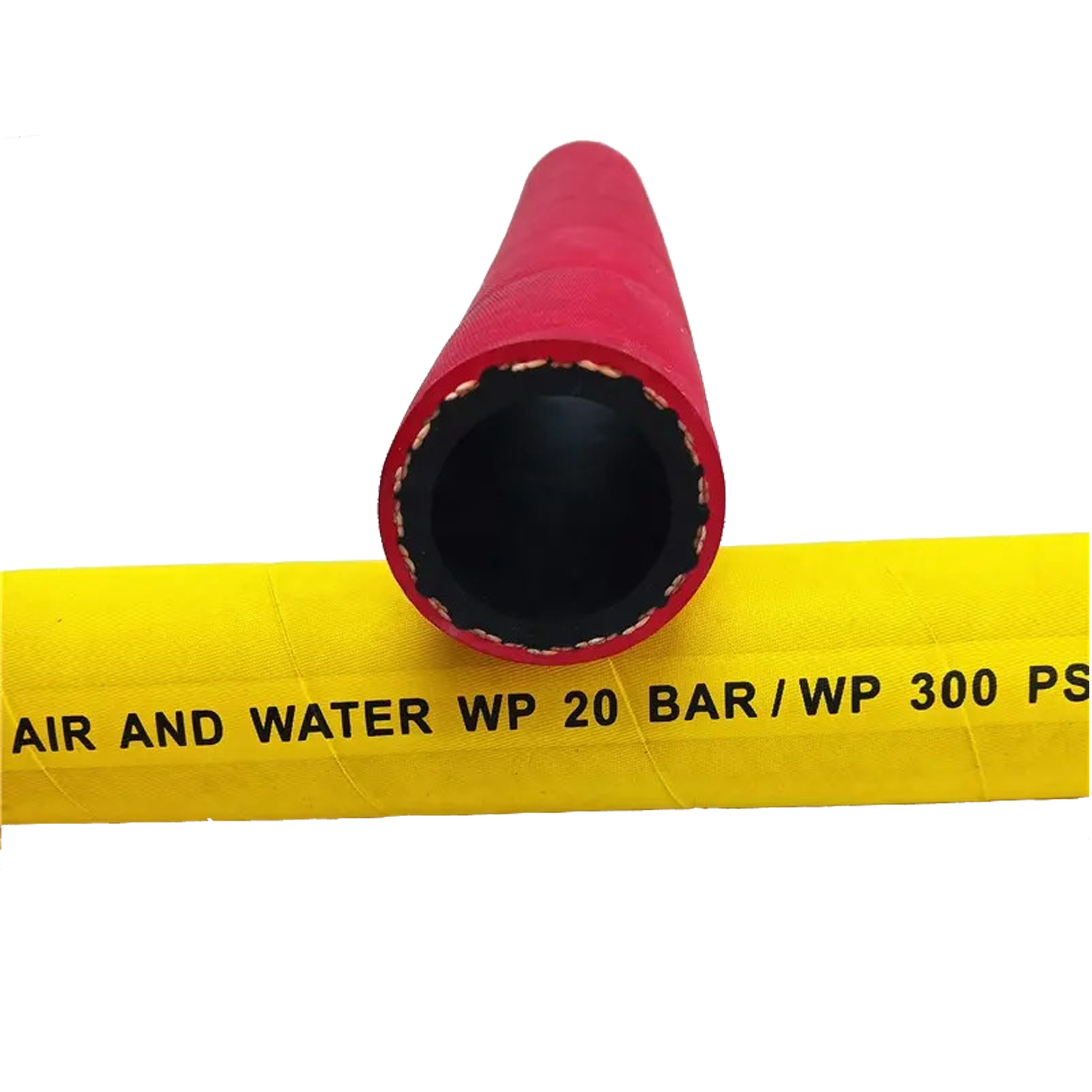
The construction of OEM Cat hydraulic hoses typically involves multiple layers, each contributing to specific performance characteristics. The inner tube, which conveys the hydraulic fluid, is commonly made from a synthetic rubber compound such as nitrile (NBR), ethylene propylene diene monomer (EPDM), or fluorocarbon (FKM), chosen based on fluid compatibility requirements. NBR offers good resistance to petroleum-based fluids, while EPDM excels in phosphate ester resistance. FKM provides superior resistance to high temperatures and aggressive chemicals. Reinforcement layers are crucial for withstanding high pressures. These are typically comprised of multiple spiraled steel wire, single steel wire braiding, or synthetic fiber braids (e.g., polyester, aramid). Steel wire provides the highest pressure ratings, while synthetic fibers offer greater flexibility. The outer cover, providing abrasion and weather resistance, is generally constructed from chloroprene rubber (CR) or polyurethane (PU). Manufacturing processes involve extrusion of the inner tube and outer cover, followed by the application of reinforcement layers. Key parameter control during extrusion includes temperature, pressure, and screw speed to ensure consistent wall thickness and material properties. The reinforcement layer application requires precise winding tension to achieve the specified burst pressure. Curing, a vulcanization process, is essential for crosslinking the rubber compounds, enhancing their strength, elasticity, and resistance to degradation. Quality control at each stage – material inspection, extrusion monitoring, reinforcement layer verification, and final pressure testing – is critical to ensure compliance with OEM specifications.
Performance & Engineering
Hydraulic hose performance is heavily influenced by force analysis under pressure. The hoop stress within the hose wall increases proportionally with internal pressure and hose diameter. The reinforcement layer’s primary function is to resist this hoop stress, preventing hose rupture. Finite Element Analysis (FEA) is frequently used in the design phase to optimize reinforcement layer configuration and material selection. Environmental resistance is another critical factor. Prolonged exposure to UV radiation, ozone, and extreme temperatures can cause rubber degradation, leading to cracking and loss of flexibility. The outer cover material is selected to mitigate these effects. Fluid compatibility is paramount; incompatible fluids can cause swelling, softening, or cracking of the inner tube, resulting in leaks and system failure. OEM Cat hoses are engineered to withstand a wide range of hydraulic fluids, including petroleum-based oils, synthetic fluids, and water-glycol mixtures. Compliance requirements vary depending on the application and geographical region. SAE J517, ISO 6898, and EN 856 standards define performance requirements for hydraulic hoses, including pressure rating, burst pressure, impulse pressure, and temperature range. Hose assemblies also require proper fitting selection and installation to ensure a leak-free and reliable connection. Improper crimping or the use of incompatible fittings can significantly reduce hose life and create safety hazards.
Technical Specifications
| Parameter | Unit | Specification (Typical) | Testing Standard |
|---|---|---|---|
| Working Pressure | MPa | 21 - 35 | SAE J517 |
| Burst Pressure | MPa | 63 - 105 | SAE J517 |
| Temperature Range | °C | -40 to +100 | ISO 6898 |
| Inner Tube Material | - | NBR, EPDM, FKM | ASTM D2000 |
| Reinforcement | - | 2/4 Spiral Steel Wire, 1/2 Wire Braid, Synthetic Fiber Braid | ISO 6898 |
| Outer Cover Material | - | CR, PU | ASTM D2000 |
Failure Mode & Maintenance
Common failure modes in OEM Cat hydraulic hoses include fatigue cracking, particularly at the fitting crimp due to cyclical pressure and bending. This is exacerbated by improper installation or the use of low-quality fittings. Delamination of the reinforcement layers can occur due to inadequate bonding during manufacturing or exposure to aggressive chemicals. Rubber degradation, caused by UV exposure, ozone, and high temperatures, leads to cracking and loss of flexibility, ultimately resulting in leaks. Internal abrasion can occur if the hose is used with contaminated hydraulic fluid, damaging the inner tube. Oxidation of the rubber compounds can also contribute to material hardening and cracking over time. Preventative maintenance is crucial. Regular visual inspections should be conducted to identify signs of wear, cracking, or swelling. Hose assemblies should be replaced if any damage is detected. Hydraulic fluid should be regularly filtered to remove contaminants. Hoses should be properly routed and supported to minimize bending and abrasion. When replacing hoses, it is essential to use OEM-approved fittings and follow proper crimping procedures. Avoid exceeding the hose’s maximum working pressure. Implement a scheduled replacement program based on operating hours and environmental conditions.
Industry FAQ
Q: What is the impact of fluid incompatibility on hose life?
A: Fluid incompatibility can severely reduce hose life. Incorrect fluid can cause swelling, softening, or cracking of the inner tube material. For example, using a petroleum-based fluid in a hose designed for phosphate ester fluids will lead to rapid degradation and failure. Proper fluid selection based on the hose's material specifications is crucial.
Q: How does temperature affect hydraulic hose performance?
A: Extreme temperatures can significantly impact hose performance. High temperatures accelerate rubber degradation, leading to cracking and loss of flexibility. Low temperatures can cause rubber to harden and become brittle, increasing the risk of cracking under pressure. Ensure the hose's temperature range is compatible with the operating environment.
Q: What are the key considerations when selecting a hydraulic hose fitting?
A: Fitting selection is critical for ensuring a leak-free and reliable connection. The fitting must be compatible with the hose’s material and pressure rating. Use OEM-approved fittings whenever possible. Proper crimping is essential; under-crimping can lead to leaks, while over-crimping can damage the hose. The fitting type (e.g., straight, 45-degree, 90-degree) should be appropriate for the application and routing requirements.
Q: What is the role of steel wire reinforcement in hydraulic hoses?
A: Steel wire reinforcement is primarily responsible for resisting the internal pressure within the hose. The number of layers and the wire diameter determine the hose’s pressure rating. Spiral steel wire reinforcement provides higher pressure capacity compared to braided reinforcement, but also results in reduced flexibility.
Q: How can I identify potential hose failure before it occurs?
A: Regular visual inspections are key. Look for signs of cracking, swelling, abrasion, or leaks. Pay close attention to the fitting crimp areas, as these are common points of failure. Check for any kinks or twists in the hose. Any detected damage should prompt immediate hose replacement.
Conclusion
OEM Cat hydraulic hoses represent a sophisticated engineering solution for fluid power transmission. Their performance relies on careful material selection, precise manufacturing processes, and adherence to stringent industry standards. Understanding the interplay between material properties, pressure ratings, environmental resistance, and potential failure modes is crucial for ensuring optimal system reliability and safety.
Proactive maintenance, including regular inspections, proper fluid selection, and timely replacement of damaged hoses, are essential for maximizing hose life and minimizing downtime. Continued advancements in material science and manufacturing techniques will likely lead to even more durable and reliable hydraulic hose designs in the future, further enhancing the performance of heavy equipment across diverse applications.