
Apr . 01, 2024 17:55 Back to list
oem cat hydraulic hose factory Performance Analysis

Introduction
OEM CAT hydraulic hoses represent a critical component in heavy equipment operation across diverse industries including construction, mining, agriculture, and forestry. These hoses are not merely conduits for hydraulic fluid; they are engineered systems designed to withstand extreme pressures, temperatures, and dynamic stresses. Their technical position in the supply chain is pivotal, acting as the vital link transmitting power from the hydraulic pump to actuators – cylinders, motors, and valves – enabling the functionality of machinery. Core performance characteristics are defined by working pressure, burst pressure, temperature range, and fluid compatibility, all of which are crucial to system reliability and operational safety. A key industry pain point lies in hose failure leading to costly downtime, safety hazards, and environmental concerns. OEM CAT hoses aim to mitigate these risks through stringent quality control, material selection, and adherence to industry standards. Understanding the nuances of these hoses – from material composition to failure modes – is essential for procurement managers, maintenance personnel, and engineers seeking optimal performance and longevity.
Material Science & Manufacturing
The construction of OEM CAT hydraulic hoses begins with a multi-layered material science approach. The inner tube, typically composed of synthetic rubber such as nitrile (NBR), chloroprene (CR), or ethylene propylene diene monomer (EPDM), provides resistance to the hydraulic fluid being conveyed. NBR offers excellent resistance to petroleum-based fluids, CR exhibits good resistance to heat and weathering, and EPDM is highly resistant to water, ozone, and glycol-based fluids. Reinforcement layers are critical for withstanding pressure. These layers are commonly constructed from high-tensile steel wire – often spiral-wound – or synthetic fiber braids (e.g., polyester, aramid). The number and configuration of these layers directly correlate to the hose’s working and burst pressure ratings. An outer cover, typically made from a synthetic rubber like CR, provides abrasion, ozone, and weathering protection. Manufacturing processes involve extrusion of the inner tube, precise winding of reinforcement layers, and subsequent extrusion of the outer cover. Critical parameters include extrusion temperature, winding tension, cure time and temperature (vulcanization), and dimensional accuracy. Post-production testing includes pressure testing to 1.5 times the working pressure, impulse testing to simulate dynamic loads, and fluid compatibility testing. Any deviation from these parameters can compromise the hose’s integrity. Chemical compatibility charts are essential during material selection to ensure the inner tube is resistant to the specific hydraulic fluid used in the application, preventing swelling, degradation, or leaching of components.
Performance & Engineering
Hydraulic hose performance is governed by a complex interplay of force analysis, environmental resistance, and adherence to regulatory compliance. Force analysis focuses on hoop stress within the hose wall due to internal pressure. The reinforcement layers are designed to counteract this stress, preventing expansion and potential rupture. Fatigue analysis is also crucial, particularly in applications with pulsating pressure, as repeated stress cycles can lead to failure. Environmental resistance encompasses temperature fluctuations, exposure to UV radiation, ozone, and corrosive substances. Hose materials must maintain their flexibility and strength across the specified temperature range without cracking or becoming brittle. Chemical resistance, as mentioned earlier, prevents degradation of the inner tube. Compliance requirements are dictated by standards such as SAE J517 (hydraulic hose specifications) and ISO 6898 (hydraulic fluid power – hose assemblies). Engineering considerations extend to hose bend radius, which must be maintained within specified limits to avoid kinking and flow restriction. Improper installation, such as over-bending or twisting, can significantly reduce hose life. Furthermore, proper hose routing and support are essential to prevent abrasion and damage from contact with other components. The selection of appropriate end fittings (e.g., crimped, swaged, or threaded) is also paramount, ensuring a leak-free and secure connection.
Technical Specifications
| Parameter | Specification (Typical) | Test Standard | Units |
|---|---|---|---|
| Working Pressure | 3000-6000 | SAE J517 | PSI |
| Burst Pressure | 9000-18000 | SAE J517 | PSI |
| Temperature Range | -40 to +100 | SAE J517 | °C |
| Inner Tube Material | Nitrile Rubber (NBR) | ASTM D2000 | - |
| Reinforcement | Spiral Steel Wire | SAE J517 | Layers |
| Outer Cover Material | Chloroprene Rubber (CR) | ASTM D2000 | - |
Failure Mode & Maintenance
Hydraulic hose failures commonly manifest as leaks, bursts, or reduced flow. Fatigue cracking, induced by repeated pressure cycles and flexing, is a prevalent failure mode. This often initiates at the inner tube or reinforcement layer, propagating over time. Abrasion, caused by contact with abrasive surfaces, can wear through the outer cover, exposing the reinforcement and leading to corrosion. Another common failure is hose kinking, resulting from exceeding the minimum bend radius, which restricts flow and can cause localized stress concentrations. Chemical degradation occurs when the inner tube is incompatible with the hydraulic fluid, leading to swelling, softening, or cracking. Environmental factors, such as UV exposure and ozone attack, can also degrade the outer cover, reducing its protective properties. Maintenance best practices include regular visual inspections for signs of wear, abrasion, cracking, or leaks. Hose assemblies should be inspected after initial installation and periodically thereafter, based on operating conditions and fluid type. Correct hose routing and support are crucial, minimizing stress and abrasion. Proper fluid filtration is essential to prevent contamination, which can accelerate wear. When replacing hoses, ensure the replacement meets or exceeds the original specifications and that the end fittings are correctly crimped or swaged. Documenting inspection and maintenance activities provides a valuable history for tracking performance and identifying potential issues.
Industry FAQ
Q: What is the impact of fluid velocity on hydraulic hose lifespan?
A: Higher fluid velocities increase the rate of erosion and can exacerbate fatigue failure. Excessive velocity can also generate heat, potentially degrading the hose material. Proper hose sizing is critical to maintain fluid velocity within acceptable limits, typically below 20 ft/s.
Q: How does temperature affect hydraulic hose performance?
A: Both high and low temperatures can negatively impact hose performance. High temperatures can accelerate material degradation and reduce pressure ratings. Low temperatures can cause the hose to become stiff and brittle, increasing the risk of cracking. Selecting a hose rated for the operating temperature range is essential.
Q: What is the importance of proper hose crimping?
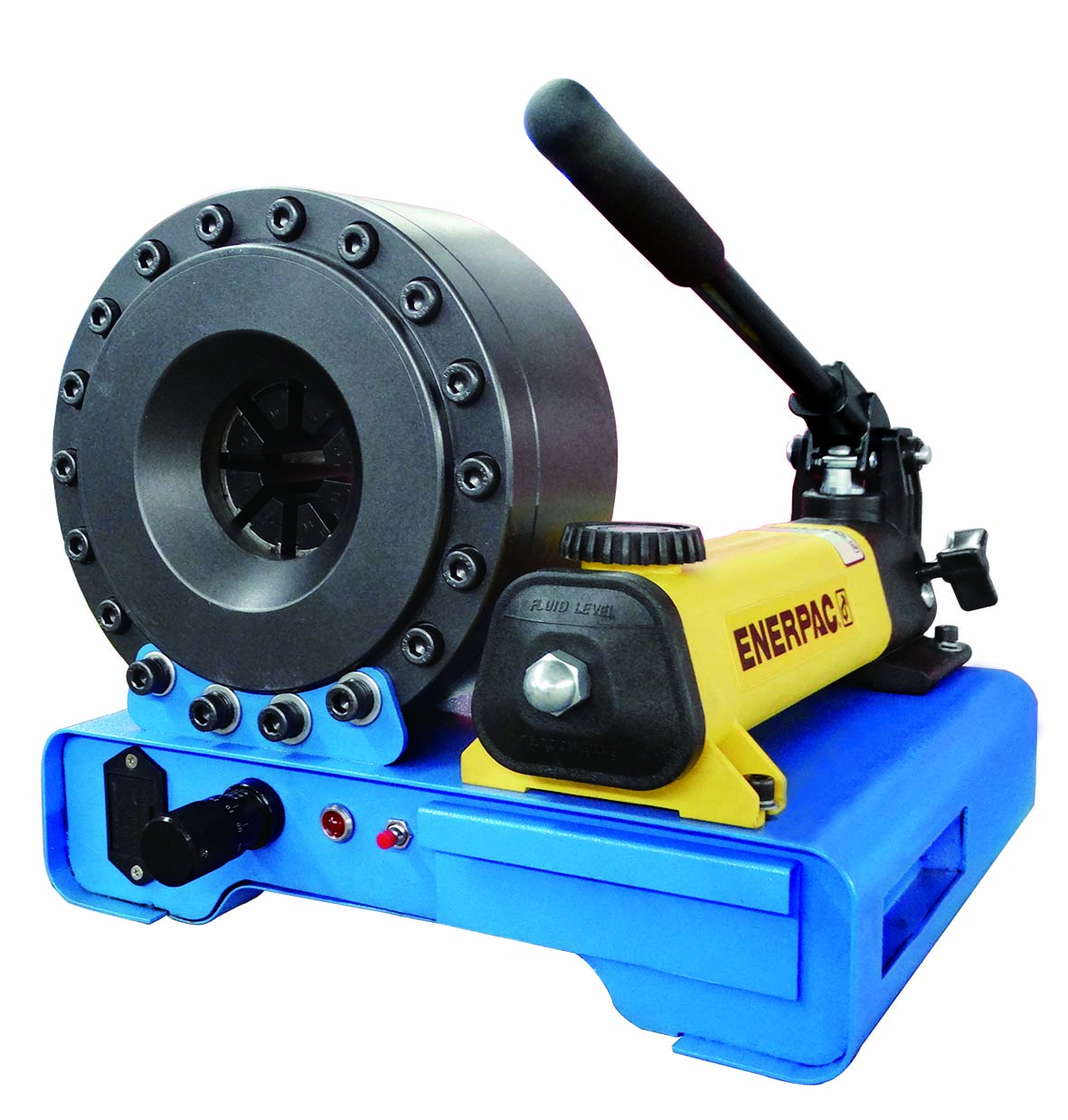
A: Proper crimping creates a secure and leak-free connection between the hose and the fitting. Incorrect crimping – either under-crimping or over-crimping – can lead to premature failure. Using calibrated crimping equipment and following the manufacturer's specifications are crucial.
Q: How do I select the correct hose reinforcement for my application?
A: The choice of reinforcement depends on the required working pressure and operating environment. Steel wire reinforcement is typically used for high-pressure applications, while synthetic fiber braids are suitable for lower pressures and applications requiring greater flexibility. Consider impulse pressures and dynamic loads when selecting reinforcement.
Q: What are the key considerations when storing hydraulic hoses?
A: Hoses should be stored in a cool, dry, and dark environment, away from direct sunlight, ozone sources, and extreme temperatures. Avoid bending hoses sharply during storage. Store hoses in a coiled position to prevent kinking and maintain flexibility.
Conclusion
OEM CAT hydraulic hoses are engineered components requiring a holistic understanding of material science, manufacturing processes, and operational factors. Selecting the appropriate hose for a specific application demands careful consideration of working pressure, temperature range, fluid compatibility, and environmental conditions. Proactive maintenance, including regular inspections and proper installation practices, are vital for maximizing hose lifespan and minimizing the risk of costly failures.
Ultimately, the reliability of hydraulic systems is inextricably linked to the quality and integrity of their hose assemblies. Adherence to industry standards (SAE, ISO) and best practices in selection, installation, and maintenance are paramount for ensuring safe and efficient operation. Continued advancements in materials and manufacturing techniques will further enhance the performance and longevity of OEM CAT hydraulic hoses, addressing the evolving demands of modern hydraulic systems.