
Apr . 01, 2024 17:55 Back to list
oem cat hydraulic hose factories Performance Analysis
Introduction
OEM Cat hydraulic hose factories represent a critical component in the supply chain for heavy machinery operation across numerous industries, including construction, mining, agriculture, and forestry. These factories specialize in the manufacture of hydraulic hoses adhering to Caterpillar’s (Cat) stringent specifications, often involving reverse engineering and meticulous quality control. The technical position within the industry chain places them between raw material suppliers (rubber, steel, polymers) and the final equipment manufacturers or aftermarket parts distributors. Core performance characteristics of these hoses center around their ability to withstand extremely high pressures, resist abrasion and environmental degradation, and maintain flexibility across a wide temperature range. A primary pain point for OEMs is consistently achieving the required burst pressure ratings and fatigue life while managing costs and meeting demanding lead times. Further challenges include ensuring chemical compatibility with diverse hydraulic fluids and adhering to evolving environmental regulations regarding material composition and manufacturing processes.
Material Science & Manufacturing
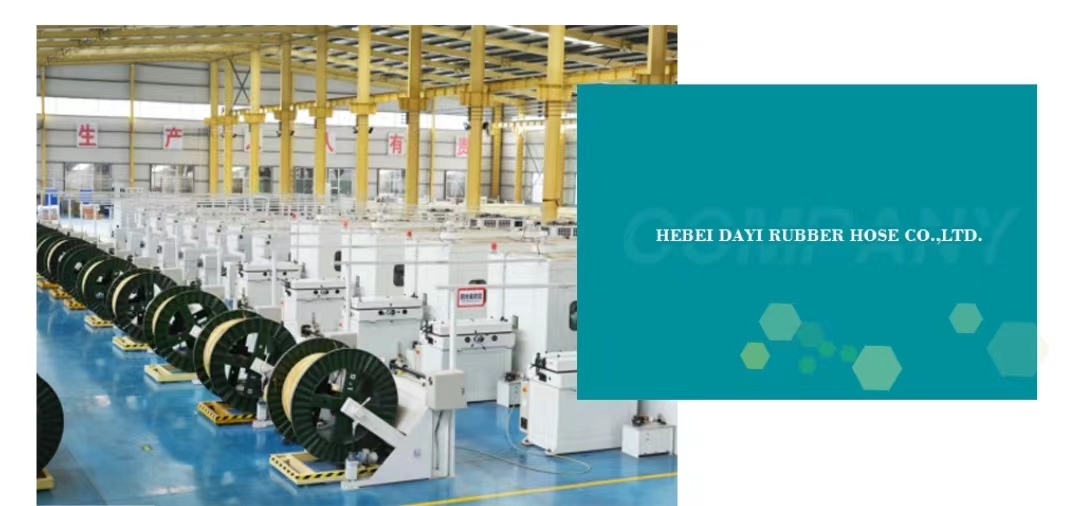
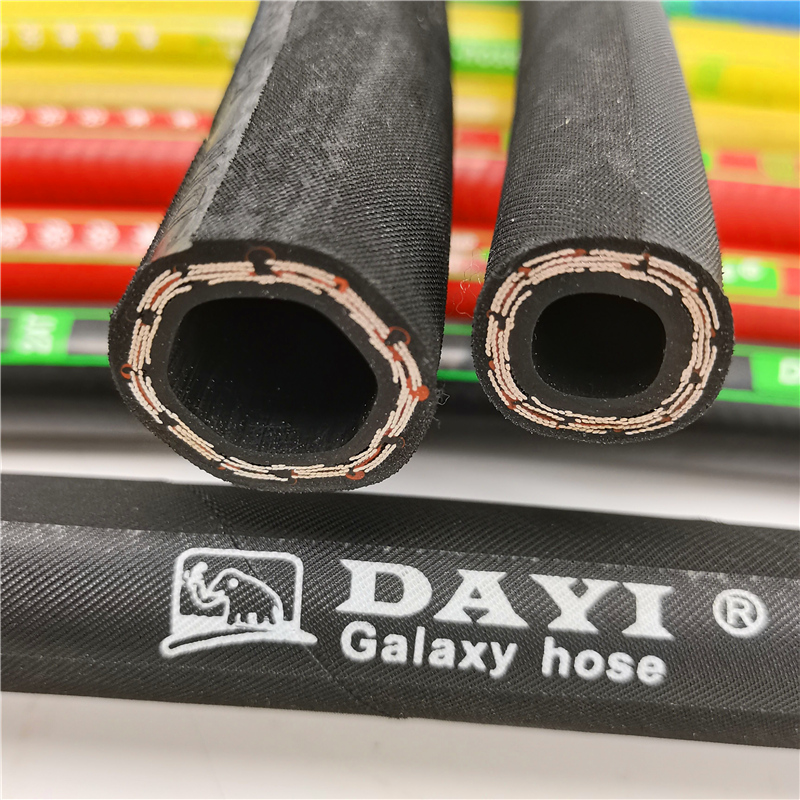
The foundation of a Cat-spec hydraulic hose lies in its constituent materials. The inner tube is typically constructed from a blend of synthetic rubbers – Nitrile (NBR) for oil resistance, Ethylene Propylene Diene Monomer (EPDM) for high-temperature and water-glycol compatibility, and Chloroprene (CR) for general-purpose applications. Reinforcement is paramount, utilizing high-tensile steel wire, often spirally wound for high-pressure applications, or braided configurations for increased flexibility. The outer cover relies heavily on Chlorinated Polyethylene (CPE) or Polyurethane (PU) for abrasion resistance, weathering protection, and oil resistance. Manufacturing processes are highly controlled. Inner tube extrusion requires precise temperature and screw speed control to ensure consistent wall thickness and material homogeneity. Steel wire winding utilizes automated machines that maintain constant tension and helix angle. Hose assembly involves precisely layering the reinforcement and cover, followed by vulcanization – a curing process conducted under heat and pressure that cross-links the rubber compounds, imparting the desired mechanical properties. Critical parameters include vulcanization temperature, time, and pressure, which directly affect tensile strength, elongation, and hardness. Quality control encompasses dimensional inspection, pressure testing (hydrostatic and impulse), and material analysis (using techniques like FTIR to verify rubber composition).
Performance & Engineering
Hydraulic hose performance is dictated by several key engineering considerations. Burst pressure, measured in PSI or MPa, is a critical safety parameter and a primary specification dictated by Cat. Fatigue life, the number of pressure cycles a hose can withstand before failure, is equally important, particularly in dynamic applications. Finite Element Analysis (FEA) is routinely employed to simulate stress distribution within the hose under various loading conditions, optimizing reinforcement configuration and material selection. Environmental resistance involves assessing the hose’s performance in extreme temperatures (both high and low), exposure to UV radiation, ozone, and corrosive fluids. Compliance with industry standards such as SAE J517 and ISO 6897 is essential. Furthermore, consideration must be given to hose bend radius; exceeding the minimum bend radius can induce stress concentrations and accelerate failure. Hydraulic fluid compatibility is crucial; incompatible fluids can cause swelling, softening, or cracking of the inner tube. The selection of coupling materials (e.g., carbon steel, stainless steel) and crimping procedures significantly impacts the integrity of the hose assembly and its ability to withstand high pressures without leakage. Force analysis focuses on hoop stress within the hose layers, quantifying the tensile forces exerted by the internal pressure.
Technical Specifications
| Parameter | Unit | Typical Value (Cat Spec) | Testing Standard |
|---|---|---|---|
| Working Pressure | PSI | Up to 6,000 | SAE J517 |
| Burst Pressure | PSI | 3x Working Pressure (minimum) | SAE J517 |
| Temperature Range | °F | -40 to +250 | SAE J517 |
| Reinforcement Type | - | Spiral High-Tensile Steel Wire / Braided | Cat Internal Specs |
| Inner Tube Material | - | NBR, EPDM, CR | Cat Internal Specs |
| Outer Cover Material | - | CPE, PU | Cat Internal Specs |
Failure Mode & Maintenance
Hydraulic hose failure manifests in several common modes. Fatigue cracking, initiated by repeated flexing and pressure cycling, often occurs at the reinforcement layer. Abrasion, caused by external contact with rough surfaces, degrades the outer cover, exposing the reinforcement to corrosion. Pinholes in the inner tube can result from chemical attack or localized degradation. Coupling failures typically stem from improper crimping, corrosion, or material fatigue. Hose kinking, resulting from exceeding the minimum bend radius, creates localized stress concentrations and can lead to rupture. Oxidation of the rubber compounds, accelerated by heat and ozone exposure, reduces elasticity and tensile strength. Maintenance is critical. Regular visual inspections should identify abrasions, cracks, and leaks. Hoses should be flushed periodically to remove contaminants. Proper storage, away from direct sunlight and extreme temperatures, extends service life. Crimping procedures must be rigorously controlled and verified. Replace hoses exhibiting any signs of damage or degradation. Implement a scheduled replacement program based on operating hours and application severity. Proper routing and support mechanisms minimize bending stress and abrasion.
Industry FAQ
Q: What is the significance of the spiral vs. braided reinforcement in Cat hydraulic hoses?
A: Spiral reinforcement, utilizing high-tensile steel wire wound in a helix, provides superior pressure handling capabilities compared to braided reinforcement. Braided hoses offer greater flexibility, making them suitable for applications with tight bend radii. The choice depends on the specific pressure requirements and application dynamics. Cat specifications dictate the appropriate reinforcement type based on hose size and intended operating conditions.
Q: How do different hydraulic fluids affect hose compatibility?
A: Different hydraulic fluids possess varying chemical properties. Petroleum-based fluids require NBR or CR inner tubes for compatibility. Water-glycol fluids necessitate EPDM inner tubes to prevent swelling and degradation. Incompatible fluids can cause the inner tube to soften, swell, crack, or dissolve, leading to leaks and hose failure. Selecting the correct inner tube material is critical.
Q: What are the key considerations for hose crimping?
A: Proper crimping is paramount for a leak-free and reliable hose assembly. Crimp size, shape, and angle must conform precisely to Cat specifications. Incorrect crimping can either loosen the coupling, resulting in leakage, or over-crimp, damaging the hose reinforcement. Regular calibration of crimping machines and operator training are essential.
Q: How does temperature affect hydraulic hose performance?
A: Extreme temperatures impact hose performance significantly. High temperatures accelerate rubber degradation and reduce pressure ratings. Low temperatures can reduce flexibility and increase the risk of cracking. Cat-spec hoses are designed to operate within a defined temperature range, and exceeding these limits can compromise hose integrity.
Q: What are the common causes of hydraulic hose fatigue failure?
A: Fatigue failure arises from repeated pressure cycling and flexing. Factors contributing to fatigue include excessive pressure pulsations, exceeding the hose’s flex impulse rating, improper routing leading to bending stress, and material defects. Regular inspection for signs of cracking and implementing proper maintenance procedures can mitigate fatigue failure.
Conclusion
The manufacture of OEM Cat hydraulic hoses demands a thorough understanding of material science, precision manufacturing processes, and rigorous quality control. Adhering to Cat's stringent specifications and relevant industry standards (SAE, ISO) is paramount for ensuring reliable and safe operation of heavy machinery. Addressing the inherent challenges of high-pressure environments, fluid compatibility, and environmental resistance requires continuous innovation in materials and manufacturing techniques.
Future advancements will likely focus on developing more durable and chemically resistant rubber compounds, implementing advanced sensor technologies for real-time hose condition monitoring, and optimizing hose designs through sophisticated FEA simulations. Proactive maintenance programs and adherence to best practices in hose handling and installation remain critical for maximizing service life and preventing catastrophic failures.