
Apr . 01, 2024 17:55 Back to list
oem car washing hose factories Performance Analysis

Introduction
OEM car washing hose factories represent a critical link in the automotive aftermarket supply chain, providing specialized fluid transfer solutions for vehicle detailing and maintenance. These facilities are tasked with producing hoses capable of withstanding a range of pressures, temperatures, and chemical exposures, all while meeting stringent quality control standards demanded by automotive manufacturers and detailing professionals. The primary function of a car washing hose is the efficient and safe delivery of water and cleaning solutions, but advanced hoses must also mitigate risks associated with burst pressures, material degradation from chemical exposure, and abrasion damage. This guide provides an in-depth technical overview of the materials, manufacturing processes, performance characteristics, failure modes, and relevant industry standards governing OEM car washing hose production. The core performance aspects center around burst pressure, tensile strength, flexibility in varying temperatures, and chemical resistance to common automotive cleaning agents.
Material Science & Manufacturing
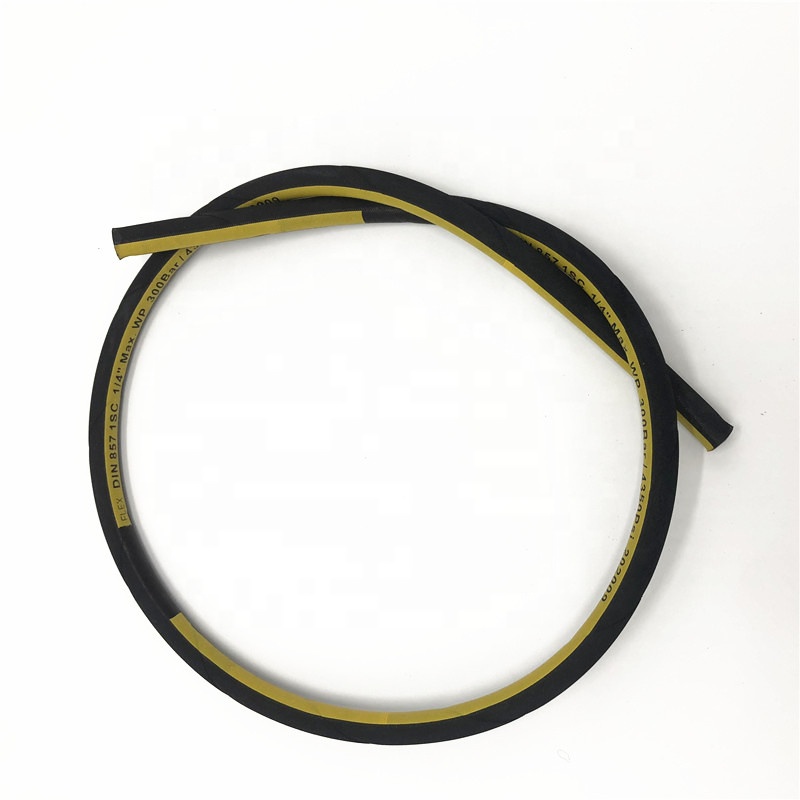
The vast majority of car washing hoses are constructed from a combination of thermoplastic materials, typically Polyvinyl Chloride (PVC) or Thermoplastic Polyurethane (TPU), reinforced with textile or spiral-wound plastic reinforcements. PVC offers a cost-effective solution with good abrasion resistance, but its flexibility at low temperatures can be limited. TPU, while more expensive, provides superior flexibility across a wider temperature range and excellent resistance to oils and greases. The reinforcement layer is crucial for withstanding internal pressure. Textile reinforcements, often utilizing polyester or nylon yarns, are braided or spiraled around the inner tube, providing tensile strength and preventing kinking. Spiral-wound reinforcements, constructed from high-tensile strength polymers, offer even greater burst resistance. Manufacturing processes generally involve extrusion, braiding/winding, and assembly. Extrusion forms the inner tube and outer cover. Precise control of extrusion temperature and screw speed is critical to achieve consistent wall thickness and material properties. Braiding/winding machines apply the reinforcement layer under controlled tension. Assembly involves coupling the hose ends with fittings, often made from brass or polypropylene, ensuring a leak-proof connection. A key parameter is the degree of crosslinking in the PVC formulation, directly impacting its temperature resistance and flexibility. The denier and weave pattern of textile reinforcements also influence the hose's pressure rating and resistance to deformation.
Performance & Engineering
Performance analysis of car washing hoses centers on burst pressure, tensile strength, elongation at break, and chemical resistance. Burst pressure testing, conducted according to standardized protocols (see section 7), determines the maximum internal pressure the hose can withstand before failure. Tensile strength, measured using universal testing machines, indicates the hose's resistance to stretching and tearing. Elongation at break reveals the amount of deformation the hose undergoes before fracturing. Environmental resistance testing assesses the hose's performance after exposure to UV radiation, ozone, and temperature extremes. Force analysis is crucial in designing the reinforcement layer. The hoop stress within the hose wall, generated by internal pressure, must be adequately counteracted by the tensile strength of the reinforcement. Finite element analysis (FEA) is often employed to optimize the reinforcement configuration and minimize stress concentrations. Compliance requirements vary depending on the target market. European standards (EN) emphasize phthalate-free formulations to minimize environmental impact. US regulations (EPA) may restrict the use of certain heavy metals in hose components. Functional implementation also considers factors such as kink resistance, ease of coiling, and compatibility with quick-connect fittings. The hose's flexibility is paramount for user convenience and to prevent damage from sharp bends.
Technical Specifications
| Parameter | Unit | PVC Hose (Standard Grade) | TPU Hose (High Grade) |
|---|---|---|---|
| Burst Pressure | MPa | 3.5 | 6.0 |
| Tensile Strength | MPa | 20 | 35 |
| Elongation at Break | % | 300 | 500 |
| Working Temperature Range | °C | -10 to +60 | -40 to +80 |
| Diameter (Inner) | mm | 12.7 | 12.7 |
| Wall Thickness | mm | 2.5 | 3.0 |
Failure Mode & Maintenance
Common failure modes in car washing hoses include burst failure due to excessive pressure, cracking due to UV degradation, kinking leading to localized wall thinning, and delamination of the reinforcement layer. Fatigue cracking can occur from repeated flexing and pressure cycling, particularly in areas around fittings. Oxidation of the PVC material can lead to brittleness and reduced flexibility. Chemical attack from harsh cleaning agents can cause swelling and weakening of the hose wall. Failure analysis typically involves visual inspection, microscopic examination of fracture surfaces, and chemical analysis of the material. Preventative maintenance includes storing the hose out of direct sunlight, avoiding exposure to extreme temperatures, and rinsing the hose thoroughly after each use to remove residual cleaning agents. Regularly inspecting the hose for signs of cracks, blisters, or deformation is crucial. If a hose exhibits any of these signs, it should be replaced immediately. Proper coiling and storage techniques can minimize kinking and extend the hose's lifespan. Fittings should be checked for leaks and tightened as necessary. The reinforcement layer's integrity is paramount; any separation or corrosion compromises the hose's structural integrity.
Industry FAQ
Q: What is the impact of phthalate content on hose performance and market access?
A: Phthalates are plasticizers used to increase the flexibility of PVC. However, certain phthalates are classified as endocrine disruptors and are restricted in many markets, particularly Europe (REACH regulation). High phthalate content can also lead to material hardening and cracking over time. Choosing phthalate-free formulations is crucial for compliance and long-term durability, although it may slightly increase production costs.
Q: How does the reinforcement material affect the hose's resistance to kinking?
A: Spiral-wound reinforcements generally offer superior kink resistance compared to braided reinforcements. The continuous winding provides a more uniform distribution of tensile stress, preventing localized deformation. The material properties of the reinforcement, such as its modulus of elasticity, also play a role. Higher modulus materials resist deformation more effectively.
Q: What are the key considerations for selecting hose fittings?
A: Fittings should be compatible with the hose material and the intended application. Brass fittings are generally preferred for their corrosion resistance and durability, but polypropylene fittings offer a more cost-effective solution for less demanding applications. The fitting's pressure rating must exceed the hose's burst pressure. The connection method (e.g., clamping, threading) should be secure and leak-proof.
Q: What are the typical chemical exposures a car washing hose must withstand?
A: Car washing hoses are commonly exposed to detergents, surfactants, waxes, wheel cleaners (often containing strong acids or alkalis), and degreasers. TPU hoses offer broader chemical resistance than PVC hoses. Chemical resistance testing should be conducted to ensure the hose material remains stable and does not degrade when exposed to these substances.
Q: How is burst pressure testing performed and what standards are followed?
A: Burst pressure testing involves gradually increasing the internal pressure of the hose until it ruptures. The pressure at which failure occurs is recorded as the burst pressure. Testing is typically conducted according to standards such as ISO 3821 or SAE J30R1. The test setup includes a pressure gauge, a hydraulic pump, and a safety enclosure to contain any fragments from the burst hose.
Conclusion
The selection and manufacture of OEM car washing hoses demand a thorough understanding of material science, engineering principles, and industry regulations. The balance between cost, performance, and durability is critical, necessitating careful consideration of material choices, reinforcement configurations, and manufacturing processes. TPU hoses offer superior performance characteristics, particularly in terms of flexibility and chemical resistance, but at a higher cost. PVC hoses remain a viable option for less demanding applications.
Continued innovation in hose materials and manufacturing techniques will focus on enhancing durability, reducing environmental impact, and improving user safety. The adoption of advanced testing methods, such as non-destructive evaluation techniques, will enable more precise quality control and predictive maintenance strategies. Compliance with evolving regulatory standards remains a key driver for the industry, promoting the use of sustainable materials and minimizing risks associated with harmful chemicals.