
Apr . 01, 2024 17:55 Back to list
oem car washer hose supplier Performance Analysis
Introduction
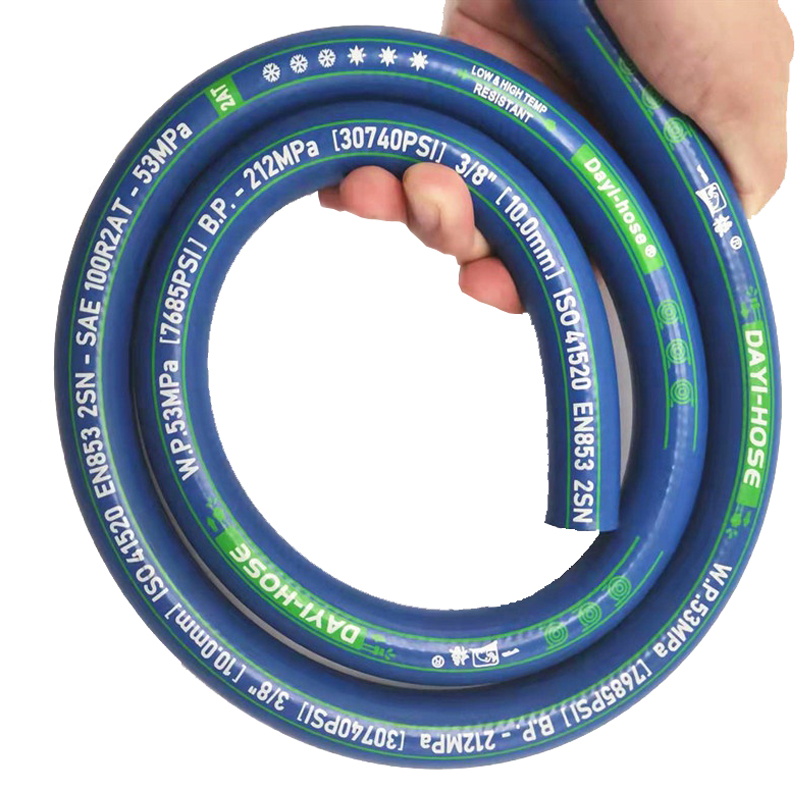
OEM car washer hoses are critical components in vehicle washing systems, responsible for delivering pressurized water to cleaning nozzles. Their position within the automotive aftermarket supply chain is as a specialized fluid transfer solution, typically manufactured to precise specifications dictated by vehicle manufacturers or aftermarket car wash equipment producers. Core performance characteristics include burst pressure, kink resistance, temperature resilience, and chemical compatibility with detergents and waxes. The industry faces persistent challenges regarding hose longevity, particularly related to abrasion from vehicle surfaces, chemical degradation from aggressive cleaning agents, and maintaining consistent performance across a wide temperature range. This guide provides a comprehensive technical overview of car washer hose design, manufacturing, performance, failure modes, and relevant industry standards.
Material Science & Manufacturing
Car washer hoses are predominantly constructed from thermoplastic materials, primarily Polyvinyl Chloride (PVC) and Thermoplastic Polyurethane (TPU). PVC offers cost-effectiveness and reasonable flexibility, commonly used for inner tubes. TPU excels in abrasion resistance, flexibility at low temperatures, and resistance to oils and greases, often employed in outer coverings and reinforcement layers. Reinforcement is crucial, typically achieved with high-tensile strength polyester or nylon braiding. The manufacturing process generally involves extrusion of the inner tube, followed by spiral wrapping or braiding of reinforcement layers. An outer jacket is then extruded over the reinforcement. Key parameters during extrusion include melt temperature, die pressure, and cooling rate, impacting material crystallinity and therefore hose flexibility and burst strength. Braiding tension and angle are critical for pressure resistance and preventing kinking. Quality control focuses on dimensional accuracy, wall thickness consistency, and adhesion between layers. Post-production testing includes hydrostatic pressure testing to verify burst strength and leak testing to ensure integrity. A crucial aspect often overlooked is the plasticizer content in PVC formulations; low-quality plasticizers can leach out over time, leading to embrittlement and cracking. The selection of plasticizers must conform to REACH and RoHS regulations.

Performance & Engineering
Performance evaluation of car washer hoses centers on several key engineering principles. Burst pressure, typically specified in PSI or bar, is determined by the material strength, reinforcement configuration, and hose diameter. Kink resistance is a function of hose wall thickness, reinforcement structure, and the radius of curvature. Environmental resistance involves assessing the hose's ability to withstand UV exposure, ozone degradation, and temperature fluctuations. Chemical compatibility is paramount, requiring testing against common car wash detergents, waxes, and wheel cleaners. Force analysis during operation reveals that hoses are subject to cyclical pressure loading, bending stresses, and abrasive wear. Fatigue life is a critical consideration, dictating the hose's operational lifespan. Compliance requirements include adherence to automotive industry standards (e.g., SAE), as well as environmental regulations concerning material composition and disposal. Furthermore, designing for low permeation is important to minimize water loss and maintain consistent pressure. Finite element analysis (FEA) is commonly used to optimize hose geometry and reinforcement layout for maximum performance and durability. The coefficient of friction of the inner tube material impacts flow rate and pressure drop within the hose.
Technical Specifications
| Parameter | Unit | Typical Value (PVC/TPU Blend) | Testing Standard |
|---|---|---|---|
| Burst Pressure | PSI | 400-600 | SAE J30R9 |
| Working Pressure | PSI | 200-300 | SAE J30R9 |
| Tensile Strength | MPa | 20-30 | ASTM D638 |
| Elongation at Break | % | 300-500 | ASTM D638 |
| Hardness (Shore A) | - | 70-90 | ASTM D2240 |
| Operating Temperature Range | °C | -20 to +60 | SAE J30R9 |
Failure Mode & Maintenance
Common failure modes for car washer hoses include burst failure due to exceeding pressure limits, kinking leading to restricted flow and localized stress concentration, and cracking resulting from UV exposure, ozone attack, or chemical degradation. Abrasion from contact with vehicle surfaces causes gradual material erosion, reducing wall thickness and ultimately leading to failure. Delamination between layers can occur due to inadequate adhesion during manufacturing or prolonged exposure to harsh chemicals. Internal degradation, particularly in PVC hoses, can result from plasticizer leaching, causing embrittlement and loss of flexibility. Maintenance primarily consists of visual inspection for cracks, kinks, and abrasions. Regular pressure testing should be conducted to identify hoses nearing their burst limit. Hoses should be stored in a cool, dry place, away from direct sunlight and ozone sources. Avoid using harsh chemicals not specifically approved for the hose material. When replacing hoses, ensure the new hose meets or exceeds the original specifications. Proper coiling and storage can prevent kinking and prolong hose life. A preventative maintenance schedule, based on operating hours or cycles, is recommended.
Industry FAQ
Q: What is the impact of different reinforcement materials (polyester vs. nylon) on hose performance?
A: Nylon reinforcement generally provides higher tensile strength and abrasion resistance compared to polyester. However, polyester is more resistant to moisture absorption and offers better dimensional stability. The choice depends on the specific application requirements – nylon is preferred for high-pressure, high-abrasion environments, while polyester is suitable for applications where dimensional stability is critical.
Q: How does the chemical resistance of TPU compare to PVC in car wash applications?
A: TPU exhibits significantly superior resistance to oils, greases, and many common car wash chemicals compared to PVC. PVC can swell and degrade upon prolonged exposure to certain solvents and detergents, leading to reduced performance and potential failure. TPU maintains its mechanical properties even after extended chemical exposure.
Q: What are the key considerations when selecting a hose for hot water car wash systems?
A: For hot water applications, the hose material must have a high-temperature resistance and maintain its mechanical properties at elevated temperatures. TPU is generally preferred over PVC due to its superior thermal stability. The working pressure rating must also be adjusted to account for the increased pressure associated with hot water. The hose should be tested and certified for use with hot water systems.
Q: How does hose diameter affect flow rate and pressure drop?
A: Increasing hose diameter reduces flow velocity and pressure drop, improving overall system efficiency. However, larger diameter hoses are more expensive and less flexible. The optimal diameter depends on the desired flow rate, pressure requirements, and system layout. Proper sizing is crucial to minimize energy consumption and ensure adequate cleaning performance.
Q: What is the role of plasticizers in PVC hoses, and what are the potential issues associated with their use?
A: Plasticizers are added to PVC to increase its flexibility and workability. However, plasticizers can leach out over time, causing the PVC to become brittle and crack. Phthalate-based plasticizers are being phased out due to health and environmental concerns. Selecting PVC hoses with non-phthalate plasticizers, such as DOTP, is recommended to ensure long-term durability and compliance with regulations.
Conclusion
The selection and application of OEM car washer hoses demand a thorough understanding of material science, engineering principles, and industry standards. Optimizing hose performance requires careful consideration of burst pressure, kink resistance, chemical compatibility, and environmental resilience. Proper maintenance and adherence to preventative maintenance schedules are essential to maximize hose lifespan and prevent costly failures. The increasing emphasis on sustainability is driving the adoption of more environmentally friendly materials and manufacturing processes.
Future advancements in car washer hose technology will likely focus on developing new materials with enhanced abrasion resistance, chemical inertness, and temperature stability. Smart hoses with integrated sensors to monitor pressure, temperature, and wear could provide valuable data for predictive maintenance and optimize car wash system efficiency. Furthermore, the development of fully recyclable or biodegradable hose materials will contribute to a more sustainable automotive aftermarket.