
Apr . 01, 2024 17:55 Back to list
oem car washer hose manufacturer Performance Analysis
Introduction
OEM car washer hoses are critical components in automotive cleaning systems, responsible for delivering pressurized water to nozzles for effective vehicle surface cleaning. Positioned within the broader automotive parts supply chain, these hoses represent a specialized segment demanding specific performance characteristics related to pressure resistance, flexibility, and chemical compatibility. This guide provides a comprehensive technical overview of OEM car washer hose manufacturing, material science, performance criteria, failure modes, and relevant industry standards. Core performance characteristics include burst pressure, working pressure, kink resistance, and resistance to degradation from common car wash detergents and cleaning agents. The escalating demand for durable, high-performance hoses driven by the increasing sophistication of automated car wash systems necessitates a deep understanding of the underlying engineering principles and manufacturing processes.
Material Science & Manufacturing
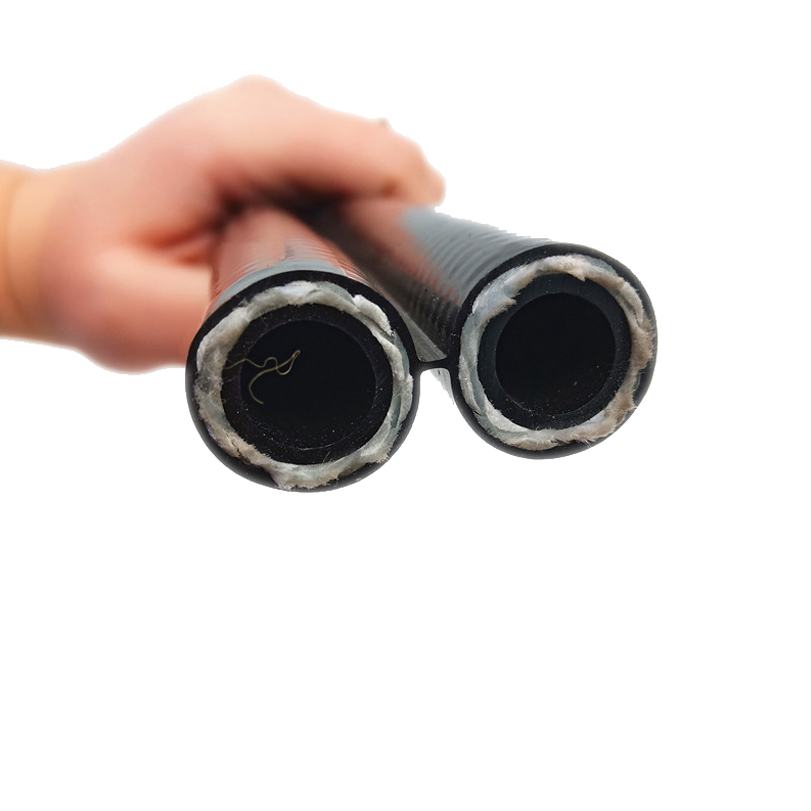
The primary material for OEM car washer hoses is typically a thermoplastic elastomer (TPE), specifically engineered grades of PVC or Polyurethane (PU). PVC provides cost-effectiveness and good abrasion resistance, while PU offers superior flexibility at low temperatures and enhanced resistance to oils and fuels commonly present in car wash environments. Reinforcement layers are crucial. These commonly consist of high-tensile strength textile braiding (typically polyester or nylon) or spiraled high-tensile wire (steel wire is common for high-pressure applications). The manufacturing process generally involves extrusion of the inner and outer layers of TPE material around the reinforcement layer. Critical parameters during extrusion include melt temperature, screw speed, and die pressure, which directly influence the hose’s wall thickness, dimensional accuracy, and material crystallinity. Post-extrusion, the hose undergoes a curing process (especially for PU-based hoses) to achieve optimal mechanical properties. Quality control involves rigorous testing of material composition via FTIR spectroscopy, tensile strength testing of the reinforcement layer, and dimensional inspection using calibrated gauging tools. Chemical compatibility assessment is performed by immersing hose samples in various car wash detergent formulations for extended periods and monitoring for swelling, cracking, or discoloration.
Performance & Engineering
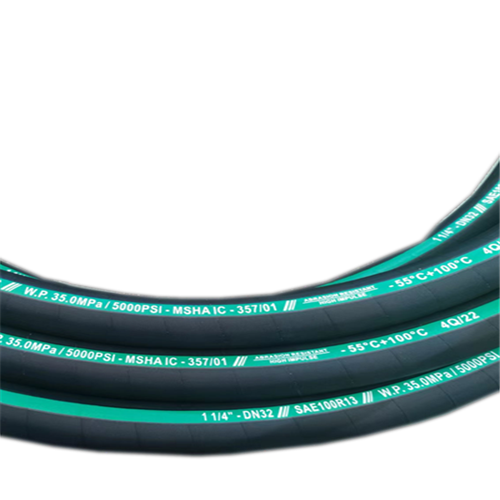
Performance of car washer hoses is dictated by several key engineering considerations. Burst pressure, a critical safety parameter, is determined through hydrostatic testing according to SAE J30R9 standards (detailed further in the Standards section). Working pressure is typically rated at 50-70% of the burst pressure to ensure a safety margin. Flexibility and kink resistance are vital for ease of handling and efficient operation within car wash systems. This is largely influenced by the TPE formulation and the reinforcement structure. Finite element analysis (FEA) is commonly employed during the design phase to optimize the hose geometry and reinforcement arrangement for minimal bending stress and maximum kink resistance. Environmental resistance is paramount. Exposure to UV radiation, ozone, and temperature fluctuations can cause material degradation. UV stabilizers and ozone inhibitors are incorporated into the TPE formulation to mitigate these effects. Compliance requirements, such as REACH and RoHS regulations, mandate the absence of hazardous substances in the hose composition, ensuring environmental safety and product longevity. Force analysis considers tensile stress during use and pressure-induced stress on the hose walls, requiring robust material selection and structural design.
Technical Specifications
| Parameter | Unit | Typical Value (PVC Hose) | Typical Value (PU Hose) |
|---|---|---|---|
| Burst Pressure | MPa | 2.0 | 3.5 |
| Working Pressure | MPa | 1.0 | 1.75 |
| Inner Diameter | mm | 8 - 12 | 6 - 10 |
| Outer Diameter | mm | 14 - 18 | 12 - 16 |
| Tensile Strength (Reinforcement) | N/mm² | 1500 | 1800 |
| Operating Temperature Range | °C | -10 to +60 | -40 to +80 |
Failure Mode & Maintenance
Common failure modes in OEM car washer hoses include burst failure due to exceeding pressure limits, cracking and splitting caused by UV degradation or chemical attack, and kink-induced fatigue failure. Burst failure is typically a catastrophic event resulting from material weakening or reinforcement layer rupture. UV degradation manifests as surface cracking and loss of flexibility, reducing the hose's overall lifespan. Chemical attack, primarily from aggressive car wash detergents, can lead to swelling, softening, and eventual material breakdown. Kink-induced fatigue occurs when the hose is repeatedly bent at sharp angles, causing stress concentrations and eventual cracking. Failure analysis often involves microscopic examination of fractured surfaces to identify the root cause of failure. Preventive maintenance includes regular visual inspection for cracks, swelling, or discoloration. Hoses should be replaced if any signs of degradation are observed. Proper storage in a cool, dry place, away from direct sunlight, can extend the hose's service life. Avoiding sharp bends and kinks during operation is crucial to prevent fatigue failure. Periodic flushing with clean water can remove detergent residues and prevent internal corrosion.
Industry FAQ
Q: What is the impact of water hardness on the lifespan of a car washer hose?
A: High water hardness (high mineral content) can contribute to scale buildup within the hose, reducing the effective inner diameter and potentially leading to blockages. Over time, scale deposits can also act as stress concentrators, increasing the risk of cracking. Using a water softener or implementing a filtration system can mitigate these effects.
Q: How do different types of car wash detergents affect hose material compatibility?
A: Highly alkaline or acidic detergents can accelerate the degradation of TPE materials. Detergents containing strong solvents can also cause swelling and softening. It is crucial to select hoses specifically formulated to resist the chemical composition of the detergents used in the car wash system. Consulting with the detergent manufacturer for compatibility information is recommended.
Q: What is the role of reinforcement braiding in preventing hose failure?
A: The reinforcement braiding provides the primary structural support, resisting tensile stress and preventing the hose from bursting under pressure. The type of braiding material (polyester, nylon, or steel wire) and its weave density directly influence the hose's strength and pressure resistance. Proper braiding coverage is essential to ensure uniform stress distribution.
Q: Can car washer hoses be repaired if they develop minor leaks?
A: Generally, repairing car washer hoses is not recommended, particularly for high-pressure systems. Even minor leaks can indicate underlying material degradation or reinforcement damage. Attempting a repair may compromise the hose's structural integrity and increase the risk of catastrophic failure. Replacement is the safest and most reliable solution.
Q: What testing standards are used to verify the performance of car washer hoses?
A: Common testing standards include SAE J30R9 (for pressure testing), ASTM D210 (for tensile strength and elongation), and ASTM D412 (for rubber property testing). UV resistance is typically assessed using ASTM G154. Compliance with REACH and RoHS regulations is also verified through independent laboratory testing.
Conclusion
OEM car washer hoses represent a complex interplay of material science, manufacturing precision, and engineering design. Achieving optimal performance necessitates a deep understanding of pressure dynamics, chemical compatibility, and environmental degradation mechanisms. The selection of appropriate materials, meticulous process control during manufacturing, and adherence to rigorous testing standards are paramount to ensure long-term reliability and safety.
Future developments in car washer hose technology will likely focus on the incorporation of advanced materials, such as nanocomposites, to enhance strength, durability, and chemical resistance. The integration of smart sensors for real-time pressure monitoring and leak detection may also become increasingly prevalent, enabling proactive maintenance and preventing costly downtime. Continued adherence to evolving industry standards and a commitment to sustainable manufacturing practices will be essential for meeting the demands of the automotive car wash industry.