
Apr . 01, 2024 17:55 Back to list
oem car washer hose factory Performance Analysis
Introduction
OEM car washer hoses represent a critical component within the automotive detailing and maintenance sector, functioning as a flexible conduit for high-pressure water delivery during vehicle washing. This technical guide provides an in-depth examination of these hoses, covering their material composition, manufacturing processes, performance characteristics, potential failure modes, and relevant industry standards. The increasing demand for durable, kink-resistant, and chemically inert hoses within the automotive industry, coupled with stringent environmental regulations concerning water usage and waste disposal, drives continuous innovation in hose design and material selection. Core performance aspects include burst pressure, tensile strength, resistance to abrasion, and compatibility with various cleaning agents. Understanding these parameters is essential for manufacturers, quality control personnel, and procurement managers seeking to ensure optimal performance and longevity of car wash hose systems.
Material Science & Manufacturing
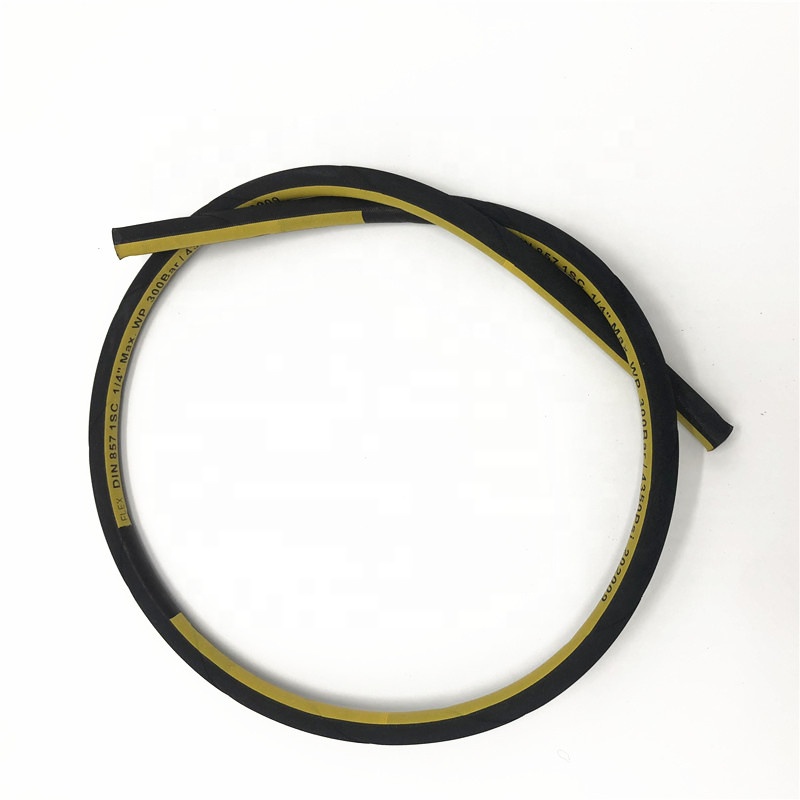
Car washer hoses are predominantly manufactured from thermoplastic materials, with PVC (Polyvinyl Chloride) and TPU (Thermoplastic Polyurethane) being the most common choices. PVC offers cost-effectiveness and good abrasion resistance, however, it can become brittle at lower temperatures and may contain phthalate plasticizers, which are subject to increasing environmental scrutiny. TPU provides superior flexibility, kink resistance, and a wider operating temperature range, albeit at a higher cost. Reinforcement layers are crucial for withstanding high internal pressures. These layers typically consist of high-tensile strength textile braiding – often polyester or nylon – spirally wound or woven into the hose structure. The manufacturing process usually involves extrusion of the thermoplastic material over the reinforcement layer, followed by curing (for certain PVC formulations) and dimensional inspection. Key parameters in manufacturing include maintaining consistent wall thickness, ensuring proper adhesion between the thermoplastic and reinforcement, and controlling the braiding density. Chemical compatibility is also critical; the materials must resist degradation from commonly used car wash detergents, waxes, and de-icing agents. Additives like UV stabilizers are often incorporated to mitigate degradation from prolonged exposure to sunlight. Precise control of the extrusion temperature and cooling rate significantly impacts the final product’s mechanical properties.
Performance & Engineering
The engineering performance of a car washer hose is dictated by its ability to withstand sustained high pressure, resist mechanical stress, and maintain dimensional stability under varying environmental conditions. Burst pressure, typically measured in PSI (pounds per square inch) or Bar, is a primary performance indicator, determined through hydrostatic testing according to standardized procedures. Tensile strength reflects the hose’s resistance to stretching and tearing, influenced by the reinforcement material and its braiding pattern. Kink resistance is a critical ergonomic factor, reducing flow restriction and ensuring ease of use. Environmental resistance encompasses UV stability, ozone resistance, and the ability to withstand temperature fluctuations without significant loss of flexibility or strength. Force analysis involves evaluating the hoop stress within the hose wall under pressure, ensuring it remains below the material’s yield strength. Finite element analysis (FEA) is often employed to model stress distribution and optimize hose geometry. Compliance requirements, such as REACH and RoHS, dictate restrictions on the use of hazardous substances. Furthermore, consideration must be given to the hose’s compatibility with quick-connect fittings and spray nozzles, ensuring a leak-proof and secure connection.
Technical Specifications
| Parameter | Unit | Typical Value (PVC Hose) | Typical Value (TPU Hose) |
|---|---|---|---|
| Burst Pressure | PSI | 300-500 | 400-600 |
| Tensile Strength | MPa | 20-25 | 30-40 |
| Operating Temperature | °C | -10 to +60 | -40 to +80 |
| Inner Diameter | mm | 8-12 | 8-12 |
| Outer Diameter | mm | 14-18 | 16-20 |
| Wall Thickness | mm | 3-4 | 3-4 |
Failure Mode & Maintenance
Common failure modes for car washer hoses include burst failures due to exceeding the pressure limit, kink-induced cracking from repeated bending, and material degradation from exposure to UV radiation and harsh chemicals. Fatigue cracking can occur in the reinforcement layer over time, particularly under cyclical pressure loading. Delamination, or separation of the thermoplastic layer from the reinforcement, can compromise the hose’s structural integrity. Oxidation and embrittlement are more prevalent in PVC hoses, particularly in outdoor environments. Preventive maintenance involves regular visual inspection for cracks, abrasions, and bulges. Avoiding sharp bends and kinks during use is crucial. Proper storage, away from direct sunlight and extreme temperatures, prolongs the hose’s service life. After each use, flushing the hose with clean water removes residual chemicals and prevents buildup that can contribute to internal corrosion. In the event of a minor leak, patching with a compatible adhesive may provide a temporary fix, but complete replacement is recommended for significant damage. Detailed failure analysis, including microscopic examination of fractured surfaces, can identify the root cause of failure and inform material selection and manufacturing process improvements.
Industry FAQ
Q: What is the impact of phthalate content in PVC hoses and are there alternatives?
A: Phthalates are plasticizers used to increase the flexibility of PVC, but they are facing increasing regulatory pressure due to potential health and environmental concerns. Higher phthalate content leads to increased flexibility but also contributes to faster degradation and leaching. Alternatives include phthalate-free plasticizers, and transitioning to TPU hoses, which do not require phthalates. Specifying phthalate-free PVC formulations or switching to TPU significantly mitigates these risks, but may impact cost and some performance characteristics.
Q: How does the braiding material affect the hose’s performance?
A: The braiding material – typically polyester or nylon – provides the reinforcement necessary to withstand internal pressure. Polyester offers excellent tensile strength and dimensional stability, while nylon provides superior elasticity and abrasion resistance. Braiding density also plays a crucial role; higher density equates to increased strength but also reduced flexibility. The braiding angle and pattern influence the hose’s resistance to kinking and twisting.
Q: What testing standards are used to verify the performance of car washer hoses?
A: Common testing standards include ASTM D412 (Tensile Properties of Plastics), ASTM D210 (Rubber – Carbon Black Content), and ASTM D1430 (Rubber – Liquid Impermeability). Burst pressure testing is typically conducted according to ISO 3875 or equivalent national standards. UV resistance is assessed using ASTM G154. Specific performance requirements may also be dictated by customer specifications or industry-specific regulations.
Q: What is the expected lifespan of a typical car washer hose?
A: The expected lifespan varies depending on the material, operating conditions, and maintenance practices. A PVC hose, with proper care, may last 2-3 years. A TPU hose, due to its superior durability, can potentially last 5-7 years or longer. Exposure to harsh chemicals, UV radiation, and extreme temperatures significantly reduces lifespan. Regular inspection and preventative maintenance are crucial for maximizing service life.
Q: How important is the hose’s compatibility with different cleaning agents?
A: Chemical compatibility is paramount. Exposure to aggressive detergents, waxes, and de-icing agents can cause swelling, softening, or cracking of the hose material, leading to premature failure. TPU generally exhibits broader chemical resistance than PVC. It’s essential to verify the hose material’s compatibility with all cleaning agents used in the car wash system. Manufacturers typically provide chemical resistance charts detailing the compatibility of their hoses with specific substances.
Conclusion
OEM car washer hoses are vital components requiring careful consideration of material science, manufacturing processes, and performance specifications. The selection between PVC and TPU hinges on balancing cost, durability, and chemical resistance requirements. Understanding potential failure modes and implementing preventative maintenance procedures are crucial for maximizing service life and minimizing downtime.
Future advancements in car washer hose technology will likely focus on the development of more sustainable materials, enhanced UV protection, and improved resistance to aggressive cleaning agents. The integration of smart sensors for real-time pressure monitoring and leak detection may also emerge, further optimizing performance and safety. A commitment to rigorous testing and adherence to international standards are essential for ensuring the reliability and longevity of these critical components.