
Apr . 01, 2024 17:55 Back to list
oem black wire braid hydraulic hose supplier Performance Analysis
Introduction
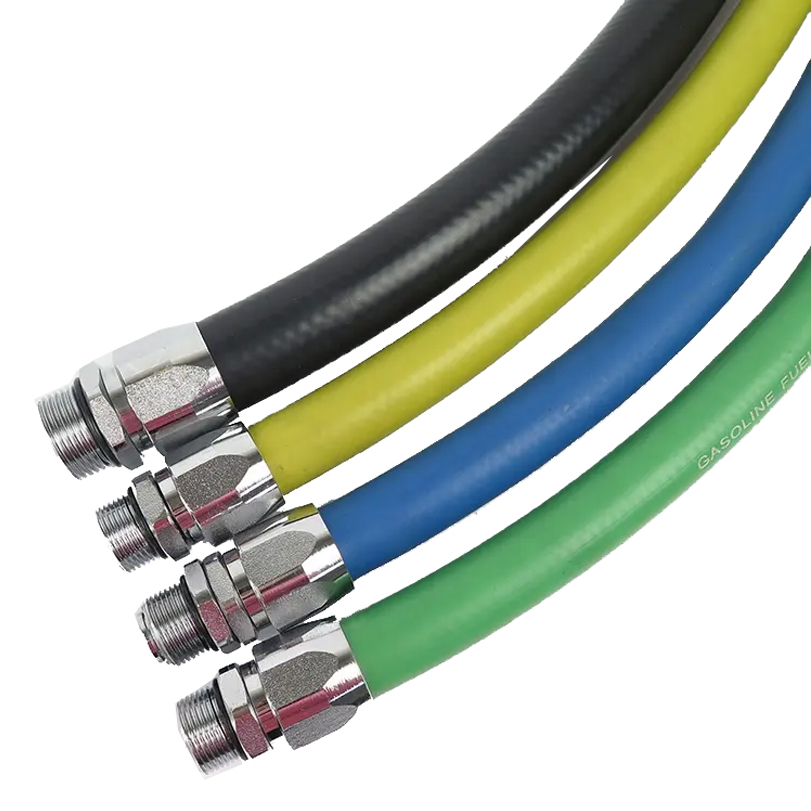
Black wire braid hydraulic hose represents a critical component in fluid power systems across numerous industries, including construction, agriculture, manufacturing, and automotive. This guide provides an in-depth technical overview of OEM black wire braid hydraulic hose, focusing on its material science, manufacturing processes, performance characteristics, failure modes, and relevant industry standards. These hoses are characterized by their robust construction, featuring a synthetic rubber inner tube, multiple layers of high-tensile steel wire braiding for reinforcement, and a durable outer cover. They are engineered to safely convey hydraulic fluid under high pressure and withstand challenging operating conditions. The core performance indicators for these hoses are working pressure, burst pressure, temperature range, and fluid compatibility. A crucial pain point in the industry is ensuring consistent quality and adherence to stringent safety regulations to prevent catastrophic failures and downtime.
Material Science & Manufacturing
The construction of black wire braid hydraulic hose relies on a careful selection of materials and precise manufacturing techniques. The inner tube is typically composed of nitrile rubber (NBR) or ethylene propylene diene monomer (EPDM) rubber, chosen for their compatibility with common hydraulic fluids and their resistance to abrasion. NBR offers excellent resistance to petroleum-based oils, while EPDM provides superior resistance to heat, ozone, and weathering. The reinforcement layer consists of multiple layers of high-tensile steel wire, precisely wound in a braided pattern. The wire’s tensile strength and flexibility are critical parameters. The outer cover is generally made of chloroprene rubber (CR), known for its resistance to abrasion, cutting, and environmental degradation. Manufacturing involves several key processes: extrusion of the inner tube, application of the wire braid using automated braiding machines, and extrusion of the outer cover. Critical parameter control includes maintaining consistent rubber compound viscosity, ensuring precise wire braid tension, and adhering to strict dimensional tolerances. Post-manufacturing, hoses undergo pressure testing to verify their structural integrity and leak-proof performance. Chemical compatibility between the hose materials and the intended hydraulic fluid is paramount; incorrect fluid selection can lead to swelling, degradation, and premature failure.
Performance & Engineering
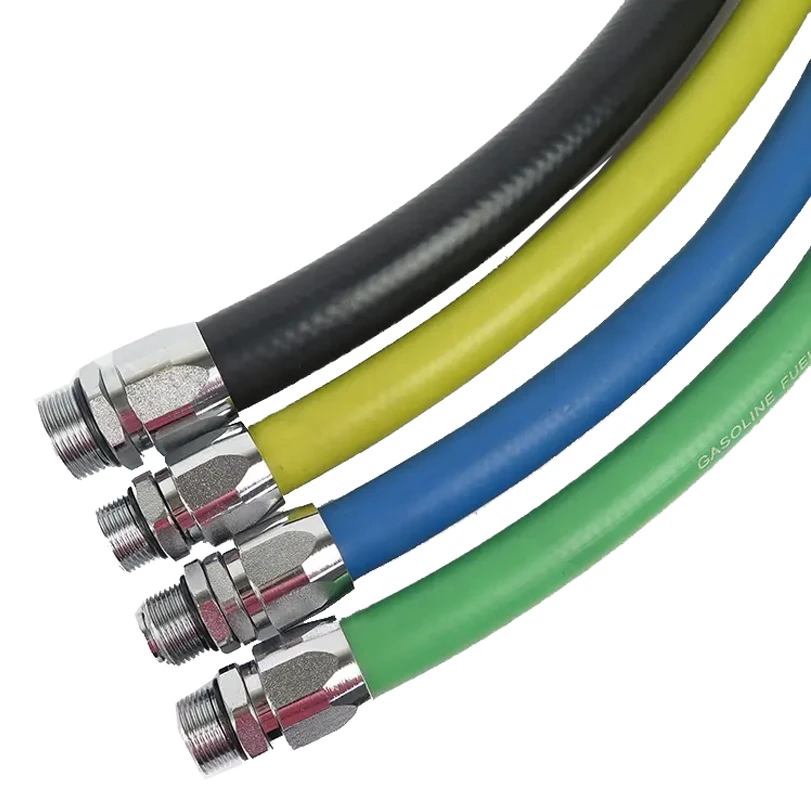
The performance of black wire braid hydraulic hose is governed by several engineering principles. Force analysis under pressure reveals that the steel wire braid bears the majority of the tensile stress, while the rubber inner tube and outer cover provide sealing and environmental protection. The hose’s ability to withstand pressure is defined by its working pressure (the maximum continuous operating pressure) and burst pressure (the pressure at which the hose fails). Environmental resistance is crucial; factors like temperature extremes, ozone exposure, and UV radiation can degrade the rubber compounds, reducing the hose’s lifespan. Compliance with industry standards, such as SAE J517 and EN 853, ensures that hoses meet minimum performance requirements. Finite element analysis (FEA) is frequently used during the design phase to optimize the hose’s geometry and reinforcement layer configuration for maximum pressure capacity and fatigue life. Hose end fittings play a vital role in overall system performance. Improperly crimped or incompatible fittings can create leak paths or induce stress concentrations, leading to premature failure. The selection of the appropriate hose size and length is also critical to minimize pressure drop and ensure efficient fluid transfer.
Technical Specifications
| Parameter | Unit | Typical Value (1" ID Hose) | Testing Standard |
|---|---|---|---|
| Working Pressure | PSI | 4,000 | SAE J517 |
| Burst Pressure | PSI | 16,000 | SAE J517 |
| Temperature Range | °F | -40 to +212 | SAE J517 |
| Inner Tube Material | - | Nitrile Rubber (NBR) | ASTM D2000 |
| Reinforcement | Layers | 4 | SAE J517 |
| Outer Cover Material | - | Chloroprene Rubber (CR) | ASTM D2000 |
Failure Mode & Maintenance
Black wire braid hydraulic hoses are susceptible to several failure modes. Fatigue cracking, often initiated at the hose ends due to flexing and vibration, is a common cause of failure. Delamination of the reinforcement layers can occur due to inadequate bonding between the wire braid and the rubber compounds. Abrasion and cutting of the outer cover can expose the reinforcement layers to corrosion, reducing the hose’s structural integrity. Oxidation and degradation of the rubber compounds can occur due to exposure to heat, ozone, and UV radiation. Internal degradation can result from incompatible hydraulic fluids or contamination. Failure analysis frequently involves microscopic examination of the fractured surfaces to identify the root cause. Preventative maintenance is crucial to extend hose life. Regular visual inspections should be conducted to check for signs of abrasion, cracking, or swelling. Hose assemblies should be properly supported to minimize bending and vibration. Hydraulic fluid should be regularly filtered to remove contaminants. Hoses should be replaced at recommended intervals, even if no visible damage is present. Incorrect installation, such as over-tightening fittings, can also induce stress and lead to premature failure.
Industry FAQ
Q: What is the impact of impulse pressure on the service life of a wire braid hose?
A: Impulse pressure, or pressure pulsations, significantly reduces the service life of a hydraulic hose. These pulsations create cyclical stresses in the hose wall, leading to fatigue failure over time. Higher impulse pressures and frequencies exacerbate this effect. Selecting a hose with a higher impulse rating and implementing pulsation dampeners in the system can mitigate this issue.
Q: How does the selection of the hose end fitting affect overall system reliability?
A: The hose end fitting is a critical component. Incompatible or improperly crimped fittings can create leak paths, induce stress concentrations, and compromise the hose’s pressure capacity. It’s essential to use fittings that are specifically designed for the hose type and size, and to ensure that the crimping process is performed according to the manufacturer’s specifications.
Q: What are the key considerations when selecting a hose for high-temperature applications?
A: For high-temperature applications, selecting a hose with a suitable temperature rating and using a compatible hydraulic fluid are paramount. EPDM rubber inner tubes generally offer better heat resistance than NBR. Also, consider the temperature limitations of the hose end fittings and ensure they are also rated for the application.
Q: How does hose layline marking contribute to traceability and quality control?
A: Hose layline marking, typically printed along the length of the hose, provides critical information, including manufacturer identification, hose type, size, working pressure, and date of manufacture. This marking aids in traceability, quality control, and identification in case of failure analysis or warranty claims.
Q: What is the difference between a single wire braid hose and a double wire braid hose in terms of performance?
A: A double wire braid hose offers significantly higher pressure capacity and improved flexibility compared to a single wire braid hose. The additional layer of reinforcement increases the hose's resistance to bursting and fatigue. However, double wire braid hoses are typically more expensive and may have a tighter bend radius.
Conclusion
OEM black wire braid hydraulic hose remains a cornerstone of fluid power transmission, offering a robust and reliable solution for a wide range of applications. Understanding the intricacies of its material science, manufacturing processes, and performance characteristics is critical for ensuring optimal system performance and preventing costly failures. Careful consideration of operating conditions, fluid compatibility, and adherence to industry standards are essential for maximizing hose lifespan and maintaining a safe and efficient hydraulic system.
The future of hydraulic hose technology is focused on developing lighter-weight, more durable, and environmentally friendly materials. Innovations in reinforcement materials, such as synthetic fibers, and advancements in rubber compounding are expected to further enhance hose performance and reduce environmental impact. Continuous monitoring of system pressure and hose condition through sensor technologies will also play an increasingly important role in predictive maintenance and failure prevention.