
Apr . 01, 2024 17:55 Back to list
oem black wire braid hydraulic hose manufacturers Performance Analysis
Introduction
OEM black wire braid hydraulic hose manufacturers occupy a critical position within the fluid power industry, serving as key suppliers to original equipment manufacturers (OEMs) across diverse sectors including construction, agriculture, material handling, and automotive. These hoses are engineered to reliably transmit hydraulic fluid under high pressure, enabling the operation of hydraulic machinery. The core performance characteristics defining these hoses – pressure rating, burst strength, temperature range, and fluid compatibility – dictate their suitability for specific applications. A significant industry pain point lies in consistently achieving long-term performance and mitigating premature failure due to factors like hose flexing, abrasion, chemical exposure, and improper installation. The increasing demand for higher operating pressures and extended service life necessitates advanced materials and manufacturing techniques, driving continuous innovation in this sector. This guide provides a comprehensive technical overview of black wire braid hydraulic hoses, covering material science, manufacturing processes, performance parameters, failure modes, and relevant industry standards.
Material Science & Manufacturing
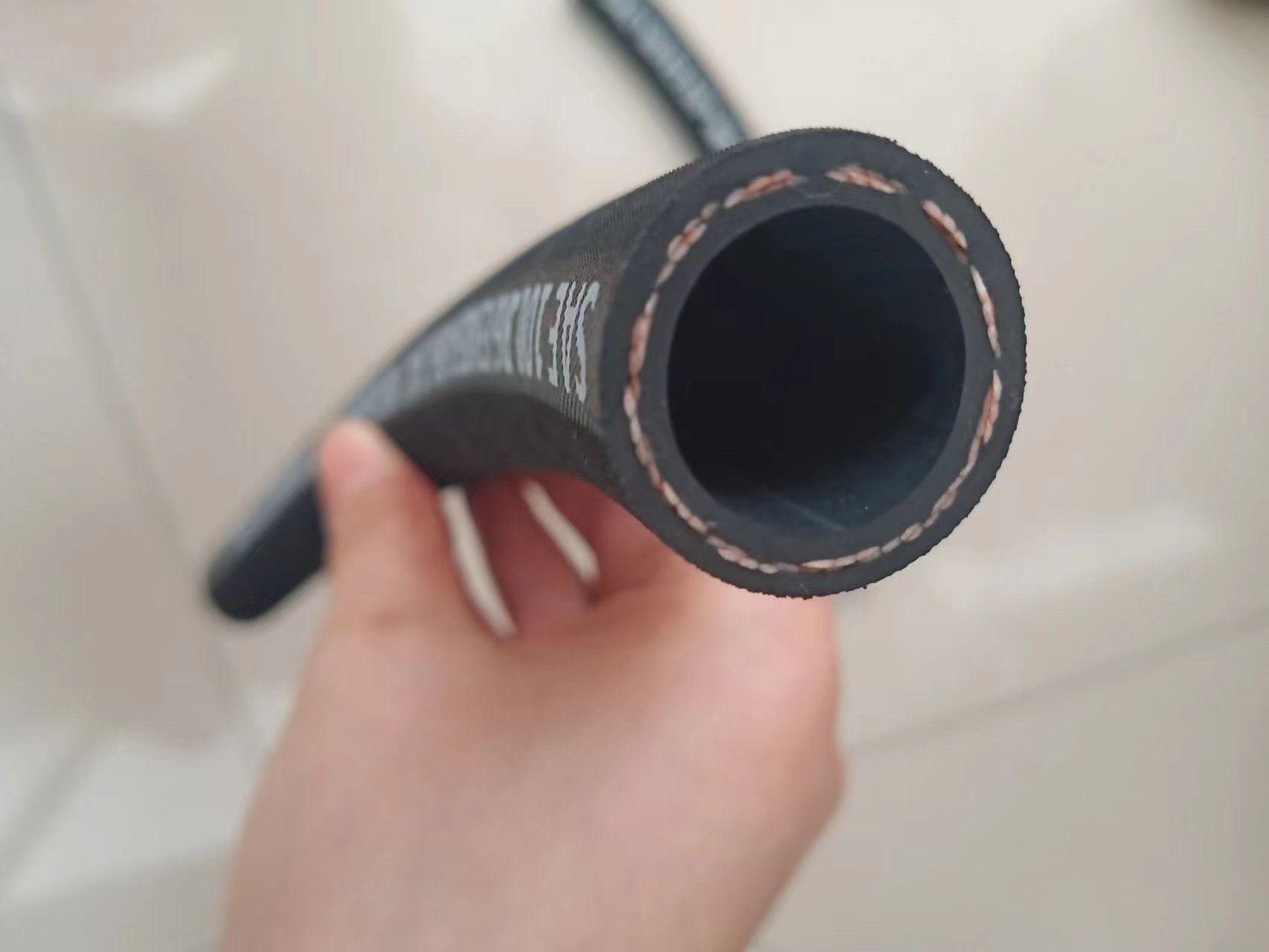
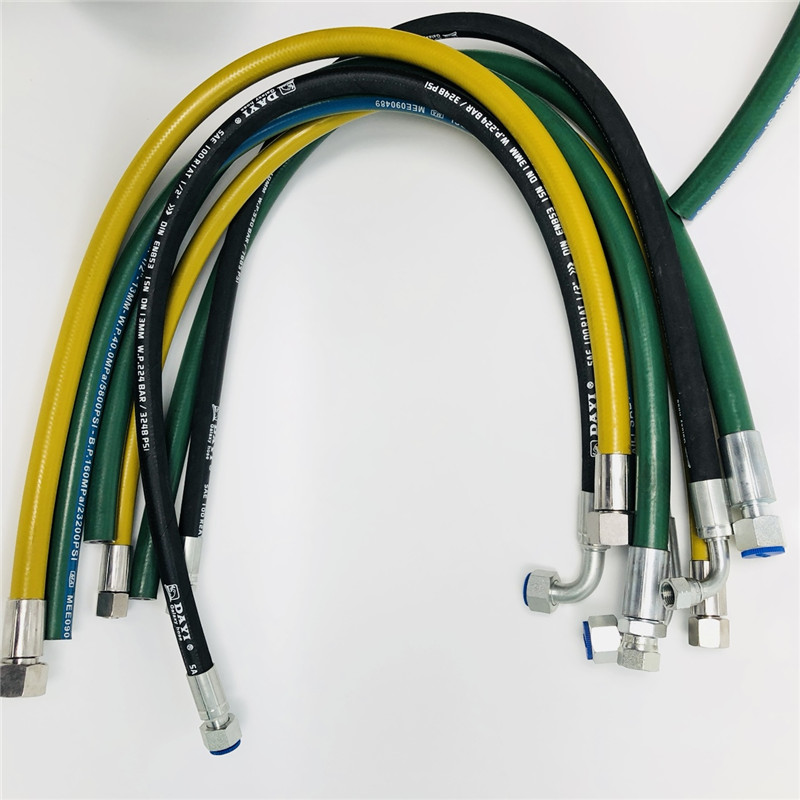
Black wire braid hydraulic hoses typically consist of four primary components: the inner tube, reinforcement layers, outer cover, and end fittings. The inner tube is commonly constructed from synthetic rubbers such as nitrile (NBR), also known as Buna-N, for oil-based hydraulic fluids, or fluorocarbon (FKM), commonly referred to as Viton, for compatibility with aggressive chemicals and high temperatures. NBR exhibits excellent abrasion resistance and cost-effectiveness, with a typical temperature range of -40°C to +120°C. FKM offers superior resistance to fuels, oils, and high temperatures (up to +200°C) but is more expensive. The reinforcement layer is the defining characteristic of wire braid hoses, typically comprised of one or multiple braids of high-strength steel wire. The wire is typically coated with zinc to prevent corrosion. The number of braids directly correlates to the hose’s pressure capacity; single braid hoses generally handle pressures up to 200 bar, while double braid configurations can withstand pressures exceeding 400 bar. The outer cover is usually made of synthetic rubber, often Chloroprene (CR) or EPDM, providing resistance to abrasion, weathering, ozone, and oil. CR offers good all-around performance, while EPDM excels in outdoor applications due to its excellent ozone and UV resistance. Manufacturing involves extrusion of the inner tube and outer cover, followed by the braiding process utilizing automated braiding machines. Precise control of braid angle and tension is crucial to ensure uniform pressure distribution and prevent localized stress concentrations. End fittings are typically crimped onto the hose using specialized crimping machines, ensuring a leak-proof seal. Crimping parameters (pressure, die size, and hose orientation) are critical and must be carefully controlled to avoid damage to the hose reinforcement.
Performance & Engineering
The performance of black wire braid hydraulic hoses is governed by several engineering principles. Burst pressure, a crucial safety parameter, is determined by the tensile strength of the steel wire and the number of braids. Finite Element Analysis (FEA) is frequently employed to model stress distribution within the hose under various loading conditions, optimizing braid design and material selection. Hose flexing is a primary source of fatigue failure. Bend radius, defined as the minimum allowable radius for bending the hose, must be strictly adhered to; exceeding the recommended bend radius induces excessive stress on the reinforcement layer. Impulse pressure, characterized by rapid pressure fluctuations, can cause fatigue damage. Hose manufacturers often conduct impulse testing to evaluate the hose's resistance to these dynamic loads. Fluid compatibility is paramount; incompatible fluids can cause swelling, softening, or degradation of the inner tube, leading to leaks and premature failure. Temperature also significantly affects performance; elevated temperatures reduce the rubber’s elasticity and tensile strength, while low temperatures can cause brittleness. Environmental resistance is another important consideration. Exposure to ozone, UV radiation, and corrosive chemicals can degrade the outer cover, reducing its protective function. Compliance with industry standards, such as SAE J517 (hydraulic hose specifications) and ISO 6899 (hydraulic hose assemblies), is essential to ensure safety and reliability. Proper hose routing and support are vital to prevent abrasion and excessive bending. Using hose guards and clamps can significantly extend hose service life.
Technical Specifications
| Parameter | Unit | SAE 100R4 (Single Braid) | SAE 100R2AT (Double Braid) |
|---|---|---|---|
| Working Pressure | bar | 200 | 420 |
| Burst Pressure | bar | 800 | 1680 |
| Temperature Range | °C | -40 to +100 | -40 to +120 |
| Inner Tube Material | - | NBR (Buna-N) | NBR (Buna-N) |
| Reinforcement | - | Single Steel Wire Braid | Double Steel Wire Braid |
| Outer Cover Material | - | CR (Chloroprene) | CR (Chloroprene) |
Failure Mode & Maintenance
Common failure modes for black wire braid hydraulic hoses include burst failure due to exceeding pressure limits, pinhole leaks caused by abrasion or chemical attack, and separation of the hose layers resulting from fatigue or improper crimping. Fatigue cracking is a prevalent issue, particularly in applications involving continuous flexing. These cracks typically initiate at areas of high stress concentration, such as near the end fittings or at bend points. Corrosion of the steel wire braid can significantly reduce its tensile strength, leading to premature failure. Oil degradation and contamination can also contribute to hose failure by compromising the inner tube’s integrity. External damage, such as cuts or abrasions, can breach the outer cover, allowing contaminants to enter and damage the reinforcement layer. Preventive maintenance is crucial to maximizing hose service life. Regular visual inspections should be conducted to identify signs of wear, damage, or leaks. Hoses should be replaced if they exhibit any signs of cracking, bulging, or abrasion. Proper hose routing and support are essential to prevent damage. Regular fluid analysis can help identify contaminants that may be causing hose degradation. Correct crimping procedures and the use of appropriate end fittings are vital to ensure a secure and leak-proof connection. Avoid exceeding the hose’s pressure and temperature limits. Periodic pressure testing can verify the hose’s integrity.
Industry FAQ
Q: What is the impact of hydraulic fluid type on hose selection?
A: The hydraulic fluid type is a critical factor. Different fluids require different inner tube materials. Petroleum-based fluids typically use NBR, while phosphate ester fluids necessitate EPDM, and some synthetic fluids may require Viton (FKM). Using an incompatible fluid can lead to swelling, hardening, or degradation of the inner tube, resulting in leaks and failure.
Q: How does the number of wire braids affect hose performance?
A: Increasing the number of wire braids directly increases the hose's burst pressure and flexibility. A single braid hose is suitable for moderate pressure applications, while a double braid hose offers significantly higher pressure capacity and improved resistance to flexing. However, more braids also increase the hose's stiffness.
Q: What are the common causes of hose leaks at the crimp connection?
A: Leaks at the crimp connection can result from improper crimping procedures (incorrect pressure, die size, or hose orientation), damaged end fittings, or corrosion of the crimp sleeve. It’s also possible the hose was damaged during installation and the failure isn’t immediately apparent.
Q: What is the significance of the hose's bend radius?
A: The bend radius is the minimum allowable radius for bending the hose. Exceeding this radius induces excessive stress on the reinforcement layer, leading to fatigue failure. Maintaining the specified bend radius is crucial for ensuring long-term hose reliability.
Q: What maintenance procedures are recommended for hydraulic hoses?
A: Regular visual inspections for cracks, abrasions, and leaks are essential. Hoses should be replaced if any damage is detected. Proper hose routing and support are vital. Fluid analysis can help identify contaminants. Ensure crimp connections are secure. Avoid exceeding the hose's pressure and temperature limits.
Conclusion
OEM black wire braid hydraulic hoses are essential components in countless hydraulic systems. Their reliable performance hinges on a complex interplay of material science, manufacturing precision, and adherence to industry standards. Understanding the nuances of inner tube materials, reinforcement configurations, and operating parameters is crucial for selecting the appropriate hose for a given application. The ongoing trend towards higher operating pressures and more demanding operating conditions necessitates continuous advancements in hose design and manufacturing techniques.
Future developments will likely focus on enhancing hose durability, reducing weight, and improving fluid compatibility. The integration of smart sensors into hydraulic hoses for real-time monitoring of pressure, temperature, and fluid condition will also gain traction, enabling predictive maintenance and improving overall system reliability. Maintaining rigorous quality control throughout the manufacturing process, coupled with proactive maintenance practices, remains paramount to ensuring the safe and efficient operation of hydraulic systems.