
Apr . 01, 2024 17:55 Back to list
oem best price hydraulic hose suppliers Performance Engineering

Introduction
Hydraulic hoses are critical components in fluid power systems, transmitting hydraulic fluid to actuators and other components. OEM best price hydraulic hose suppliers cater to original equipment manufacturers (OEMs) requiring consistent quality and cost-effectiveness. These suppliers typically offer customization options, volume discounts, and adherence to stringent industry standards. The hydraulic hose market is driven by demand from sectors like construction, agriculture, mining, manufacturing, and transportation. Core performance characteristics include pressure rating, temperature range, fluid compatibility, and resistance to abrasion and fatigue. A key pain point for OEMs is ensuring hose integrity to prevent system failures, costly downtime, and potential safety hazards. Selection hinges on understanding application-specific demands, encompassing operating pressure, fluid type, ambient temperature, and exposure to environmental factors. This guide provides a comprehensive technical overview of hydraulic hoses, covering material science, manufacturing processes, performance considerations, failure modes, and relevant industry standards.
Material Science & Manufacturing
Hydraulic hose construction typically involves four key layers: the inner tube, reinforcement, outer cover, and in some cases, bonding layers. The inner tube is typically composed of synthetic rubber compounds such as nitrile (NBR), ethylene propylene diene monomer (EPDM), or fluorocarbon (FKM/Viton), selected based on fluid compatibility. NBR offers good resistance to petroleum-based oils, while EPDM excels in phosphate ester fluids and high-temperature applications. FKM provides superior resistance to aggressive chemicals and extreme temperatures, but at a higher cost. Reinforcement layers provide the hose’s strength and pressure capacity. Common materials include multiple braids of high-tensile steel wire, synthetic fiber (aramid, polyester), or a combination thereof. Steel wire reinforcement offers the highest pressure ratings, while synthetic fiber provides flexibility and corrosion resistance. The outer cover, usually a synthetic rubber compound like polyurethane or chloroprene, protects the reinforcement layers from abrasion, weather, and chemical exposure. Manufacturing processes include extrusion for the inner tube and outer cover, calendaring for reinforcement plies, and spiral winding or braiding for reinforcement layers. Critical process parameters include extrusion temperature, cure time, braiding tension, and bonding agent application. Improper control can lead to defects like porosity in the inner tube, insufficient bonding between layers, or compromised reinforcement integrity. Post-production testing, including hydrostatic pressure testing, impulse testing, and dimensional verification, are crucial to ensure quality and adherence to specifications.
Performance & Engineering
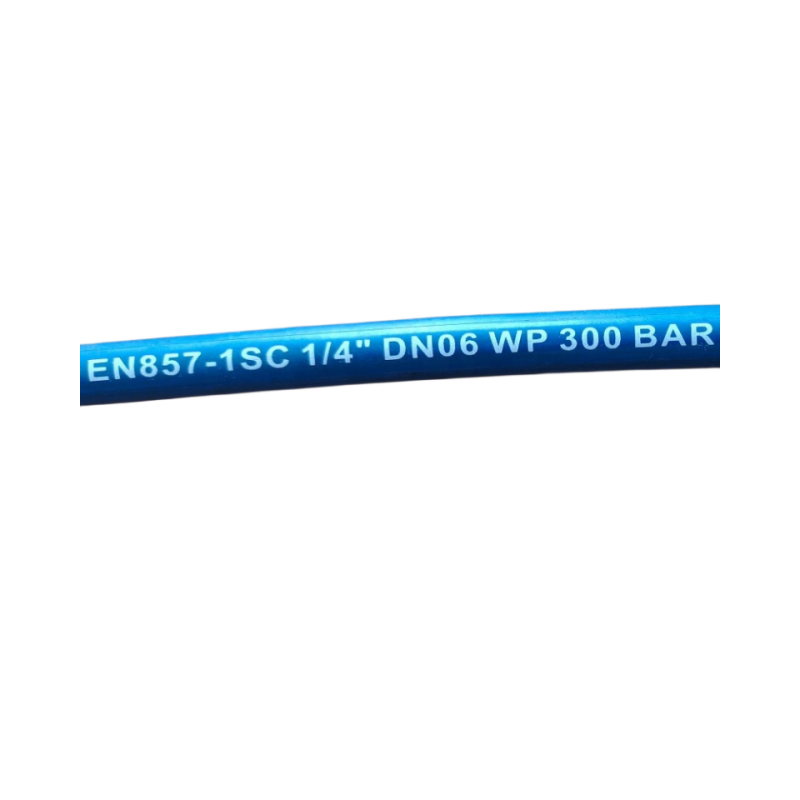
Hydraulic hose performance is governed by several engineering principles. Burst pressure, working pressure, and safety factor are primary considerations. Working pressure is typically defined as the maximum continuous operating pressure, while burst pressure represents the point of failure. A safety factor, typically 4:1 or higher, is applied to ensure reliable operation under fluctuating loads and dynamic conditions. Fatigue life is critical, particularly in applications involving pulsation or vibration. Impulse testing simulates these conditions to evaluate the hose’s resistance to cyclic loading. Hose bend radius is also important to prevent kinking and premature failure. Exceeding the minimum bend radius can induce stress concentrations and reduce the hose’s lifespan. Temperature extremes can significantly impact hose performance. High temperatures can degrade the rubber compounds, reducing their elasticity and strength, while low temperatures can cause stiffening and cracking. Fluid compatibility is paramount. Incompatible fluids can cause swelling, softening, or degradation of the inner tube, leading to leaks and system failure. Environmental resistance, including exposure to ozone, UV radiation, and corrosive chemicals, must also be considered. Finite Element Analysis (FEA) is often used to simulate stress distribution and optimize hose design for specific applications. Compliance with industry standards, such as SAE J517 and EN 853, is essential to ensure safety and performance.
Technical Specifications
| Parameter | Unit | Typical Value (NBR/Steel Wire Braid) | Typical Value (FKM/Aramid Braid) |
|---|---|---|---|
| Working Pressure | PSI | 3000 | 2000 |
| Burst Pressure | PSI | 12000 | 8000 |
| Temperature Range | °F | -40 to 212 | -15 to 400 |
| Inner Tube Material | - | Nitrile Rubber (NBR) | Fluorocarbon (FKM/Viton) |
| Reinforcement Material | - | Steel Wire Braid (Multiple Layers) | Aramid Fiber Braid |
| Outer Cover Material | - | Chloroprene Rubber | Polyurethane |
Failure Mode & Maintenance
Common failure modes in hydraulic hoses include burst failures, pinhole leaks, and end fitting failures. Burst failures typically occur due to exceeding the working pressure or fatigue cracking. Pinhole leaks can result from abrasion, chemical degradation, or internal porosity. End fitting failures are often caused by corrosion, improper installation, or excessive torque. Fatigue cracking is a prevalent failure mechanism in pulsating systems, initiated by stress concentrations at the hose’s inner surface. Abrasion can damage the outer cover, exposing the reinforcement layers to corrosion. Oil permeation can occur when the inner tube allows fluid to migrate through the hose wall, leading to reduced performance and potential environmental contamination. Maintenance practices include regular visual inspection for signs of damage, such as cuts, abrasions, cracks, or swelling. Hose routing should be optimized to minimize bending and abrasion. Properly torqued end fittings are crucial to prevent leaks. Fluid compatibility should be verified before use. Scheduled hose replacement is recommended based on application severity and operating conditions. Failure analysis, including microscopic examination of fracture surfaces, can help identify the root cause of failures and prevent recurrence. Implementing a preventative maintenance program can significantly extend hose lifespan and reduce the risk of system failures.
Industry FAQ
Q: What is the impact of impulse pressure on hydraulic hose life?
A: Impulse pressure, or pressure spikes, significantly reduces hydraulic hose life. These repeated pressure surges create cyclic stress on the hose reinforcement, leading to fatigue failure over time. Hoses designed for impulse applications incorporate specialized reinforcement configurations and materials to withstand these loads. Proper dampening of pressure pulsations in the hydraulic system is also critical.
Q: How do I select the correct hose for a specific hydraulic fluid?
A: Inner tube material must be compatible with the hydraulic fluid. Incompatibility can cause swelling, softening, or degradation of the hose material, leading to leaks and failure. Refer to fluid compatibility charts provided by hose manufacturers and ensure the selected material is rated for the specific fluid type and concentration.
Q: What is the proper procedure for installing hydraulic hose fittings?
A: Proper installation is crucial to prevent leaks and ensure hose integrity. Fittings should be clean and free of debris. Use the correct fitting type for the hose and application. Torque fittings to the manufacturer’s specified value using a calibrated torque wrench. Avoid over-tightening, which can damage the hose or fitting.
Q: What is the significance of the hose's bend radius?
A: Maintaining the correct bend radius prevents kinking and stress concentrations in the hose. Exceeding the minimum bend radius can induce localized stress, reducing the hose’s lifespan and increasing the risk of failure. Consult the manufacturer's specifications for the minimum allowable bend radius for a specific hose type.
Q: How often should hydraulic hoses be inspected and replaced?
A: Inspection frequency depends on the application severity. Regular visual inspections should be conducted to check for signs of damage, such as cuts, abrasions, leaks, or swelling. Hoses operating in harsh environments or subjected to high pressures should be inspected more frequently. Replacement intervals should be based on manufacturer recommendations, operating conditions, and inspection findings.
Conclusion
Hydraulic hoses are essential components demanding careful material selection, precise manufacturing, and diligent maintenance. Understanding the interplay between material properties, operating conditions, and potential failure modes is critical for ensuring system reliability and safety. Selecting the appropriate hose for a specific application necessitates a thorough assessment of pressure requirements, fluid compatibility, temperature range, and environmental factors.
Continued advancements in hose technology, including the development of composite materials and improved manufacturing processes, are driving enhancements in performance and durability. Proactive maintenance programs, incorporating regular inspections and scheduled replacements, are paramount to mitigating the risk of failures and maximizing hose lifespan, ultimately reducing operational costs and enhancing overall system efficiency.