
Apr . 01, 2024 17:55 Back to list
oem best price hydraulic hose manufacturers Performance Engineering
Introduction
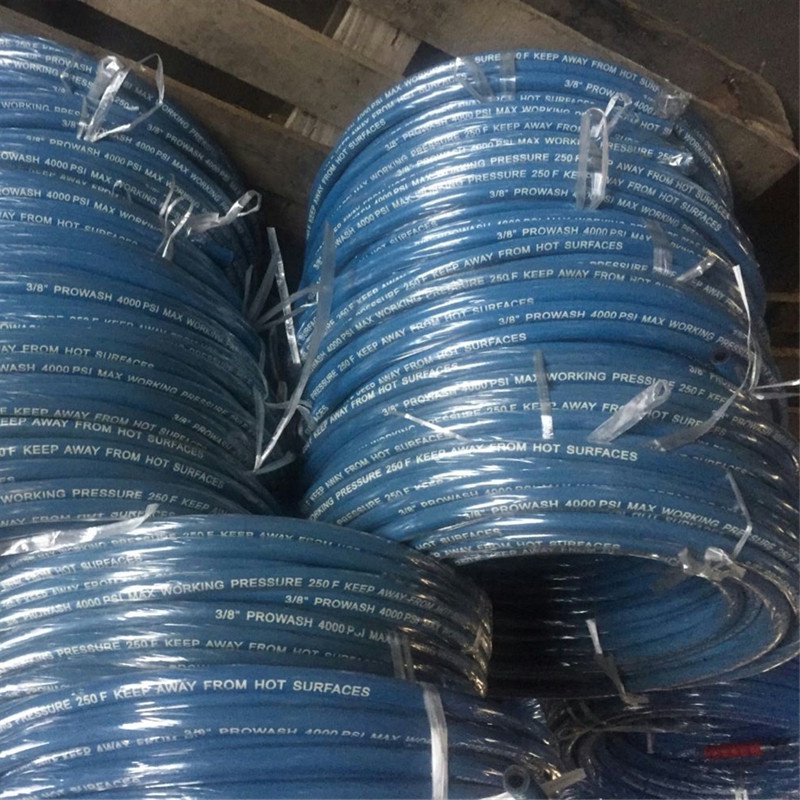
Hydraulic hoses are critical components in fluid power systems, transmitting hydraulic fluid to actuate machinery across diverse industries including construction, agriculture, manufacturing, and aerospace. OEM (Original Equipment Manufacturer) best price hydraulic hose manufacturers specialize in the design, production, and supply of these hoses, often tailoring specifications to meet the precise needs of equipment builders. Their role extends beyond simply providing a conduit; it encompasses ensuring system reliability, safety, and performance under demanding conditions. This guide provides a comprehensive technical overview of hydraulic hose technology, focusing on material science, manufacturing processes, performance characteristics, failure modes, and relevant industry standards. The core performance attributes of hydraulic hoses – pressure rating, burst pressure, temperature range, fluid compatibility, and abrasion resistance – are paramount in determining their suitability for specific applications. The increasing demand for higher pressures and more complex hydraulic systems drives continuous innovation in hose materials and construction techniques. Addressing pain points like premature failure due to environmental factors, improper installation, and fluid incompatibility is essential for OEMs and end-users alike.
Material Science & Manufacturing
The foundation of hydraulic hose performance lies in the selection of appropriate materials. The core components typically include an inner tube, reinforcement layers, and an outer cover. Inner tubes are commonly constructed from synthetic rubbers like nitrile (NBR), ethylene propylene diene monomer (EPDM), and fluorocarbon (FKM), chosen for their compatibility with various hydraulic fluids, including mineral oils, synthetic fluids, and water-glycol mixtures. NBR provides excellent resistance to petroleum-based fluids, while EPDM excels in high-temperature applications and offers superior resistance to weathering. FKM (Viton) is utilized when extreme chemical resistance is required. Reinforcement layers are crucial for withstanding internal pressure and preventing hose expansion or collapse. These layers usually consist of multiple braids or spirals of high-tensile steel wire, or synthetic fiber like aramid (Kevlar). Steel wire provides the highest pressure capability but is heavier, whereas aramid offers a lighter-weight alternative with good strength. The outer cover protects the reinforcement from abrasion, corrosion, and environmental degradation, and is typically made from synthetic rubber like chloroprene (CR) or polyurethane (PU).
Manufacturing processes vary depending on the hose type. Braided hoses are produced by helically winding steel wire around a mandrel, followed by applying the inner tube and outer cover through extrusion. Spiral hoses utilize a continuous winding of steel wire, creating a more robust structure capable of handling higher pressures. Extrusion is a key process used to form both the inner tube and outer cover. Precise control of temperature, pressure, and screw speed is vital to ensure consistent material properties and dimensional accuracy. Post-extrusion processes include vulcanization (curing) to crosslink the rubber compounds, enhancing their strength, elasticity, and chemical resistance. Quality control measures include pressure testing to verify burst pressure, dimensional checks to confirm adherence to specifications, and visual inspections to identify defects. Parameter control during manufacturing, such as maintaining consistent wire tension during braiding and optimizing vulcanization time, are critical to preventing premature failure. Fluid cleanliness during assembly is also paramount to prevent contamination and subsequent damage to the hydraulic system.
Performance & Engineering
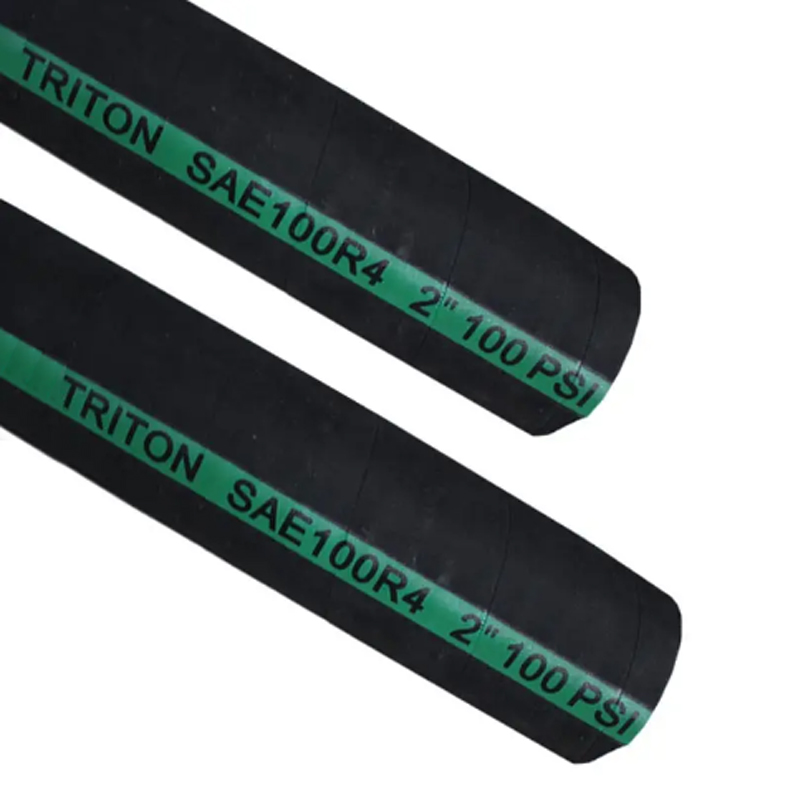
The performance of a hydraulic hose is governed by several engineering principles. Force analysis determines the required reinforcement strength to withstand internal pressure without exceeding the allowable stress of the materials. The burst pressure, typically specified as a multiple of the working pressure (e.g., 4:1 safety factor), is a critical parameter, dictating the hose's ability to handle pressure surges and transients. Temperature significantly impacts hose performance; extreme temperatures can degrade rubber compounds and reduce pressure capability. Hose manufacturers specify operating temperature ranges, and exceeding these limits can lead to premature failure. Environmental resistance is another crucial consideration. Exposure to ozone, UV radiation, and chemicals can cause the outer cover to crack and degrade, compromising the hose's integrity. Abrasion resistance is particularly important in applications where the hose is subject to rubbing or contact with abrasive surfaces.
Compliance requirements, dictated by standards like SAE J517 and EN 853, dictate minimum performance criteria for hydraulic hoses. These standards specify test methods for pressure testing, temperature resistance, and fluid compatibility. Proper hose routing and installation are also essential for optimal performance. Sharp bends, excessive twisting, and proximity to hot surfaces can induce stress concentrations and reduce hose lifespan. The use of appropriate fittings and attachment methods is crucial to prevent leakage and ensure a secure connection. In dynamic applications, hose movement and flexing can generate heat and fatigue stresses. Selecting a hose with adequate flexibility and fatigue resistance is critical to prevent cracking and failure. Finite element analysis (FEA) is often employed during the design phase to simulate stress distribution and optimize hose geometry for specific applications.
Technical Specifications
| Parameter | SAE 100R1AT | SAE 100R2AT | DIN EN 853 1SN | DIN EN 856 4SH |
|---|---|---|---|---|
| Working Pressure (PSI) | 1000 | 2000 | 200 | 300 |
| Burst Pressure (PSI) | 3000 | 6000 | 600 | 900 |
| Temperature Range (°F) | -40 to 212 | -40 to 212 | -40 to 212 | -40 to 248 |
| Inner Tube Material | NBR | NBR | NBR | NBR |
| Reinforcement | 1 Wire Braid | 2 Wire Braid | 1 Steel Wire Spiral | 4 Steel Wire Spiral |
| Outer Cover Material | CR | CR | CR | CR |
Failure Mode & Maintenance
Hydraulic hose failure can manifest in various forms. Fatigue cracking, resulting from repeated flexing and pressure cycling, is a common failure mode, particularly in dynamic applications. Delamination, the separation of reinforcement layers from the inner tube or outer cover, can occur due to improper bonding or exposure to harsh chemicals. Degradation of the rubber compounds due to exposure to ozone, UV radiation, or extreme temperatures leads to hardening, cracking, and loss of elasticity. Oxidation, caused by the reaction of the rubber with oxygen, results in similar degradation effects. Pinholes, small leaks in the inner tube, can develop due to internal pressure or abrasion. Fitting failures, such as corrosion or loosening, can also lead to leakage. Improper installation, including excessive bending, twisting, or kinking, significantly increases the risk of premature failure.
Preventative maintenance is crucial to extend hose lifespan and prevent catastrophic failures. Regular visual inspections should be conducted to identify signs of cracking, abrasion, or swelling. Hose routing should be checked to ensure proper support and prevent contact with abrasive surfaces. Fluid contamination should be minimized through the use of filters and regular fluid analysis. Hose assemblies should be replaced periodically, based on manufacturer recommendations or after a predetermined operating time. When replacing hoses, it is essential to use compatible fittings and ensure proper crimping. Leaks should be addressed promptly. If a hose exhibits any signs of damage or degradation, it should be immediately removed from service and replaced. Documentation of hose replacement and maintenance activities helps track performance and identify potential issues.
Industry FAQ
Q: What is the difference between a braided and a spiral hydraulic hose?
A: Braided hoses utilize multiple layers of woven wire for reinforcement, offering good flexibility and moderate pressure capability. Spiral hoses, constructed with a continuously wound wire, provide significantly higher pressure ratings and superior kink resistance, though typically with reduced flexibility compared to braided designs. The choice depends on the application's pressure requirements and routing constraints.
Q: How does fluid compatibility affect hydraulic hose selection?
A: Fluid compatibility is critical. Using a hose with an incompatible inner tube material can lead to swelling, softening, or degradation of the rubber, resulting in leakage and failure. It's essential to verify the hose's compatibility with the specific hydraulic fluid being used, referencing manufacturer data sheets and chemical resistance charts.
Q: What is the importance of the safety factor when selecting a hydraulic hose?
A: The safety factor is a multiplier applied to the working pressure to ensure the hose can withstand pressure surges and transients without bursting. A common safety factor is 4:1, meaning the burst pressure is four times the working pressure. Using a hose with an inadequate safety factor can lead to catastrophic failure and potential injury.
Q: How can I prevent abrasion damage to hydraulic hoses?
A: Several methods can prevent abrasion. Proper hose routing to avoid contact with abrasive surfaces is crucial. Using abrasion-resistant outer cover materials, such as polyurethane, provides enhanced protection. Installing hose guards or sleeves in areas prone to abrasion further mitigates the risk. Regular inspections can identify and address potential abrasion issues before they lead to failure.
Q: What are the key considerations for storing hydraulic hoses?
A: Hydraulic hoses should be stored in a cool, dry, and dark environment, away from direct sunlight, ozone sources, and extreme temperatures. They should be coiled loosely and supported to prevent kinking or twisting. Avoid storing hoses on sharp edges or under heavy objects. Protecting hoses from contamination and moisture is also essential.
Conclusion
Hydraulic hose technology is a complex field demanding a comprehensive understanding of material science, manufacturing processes, and engineering principles. Selecting the appropriate hose for a given application requires careful consideration of pressure requirements, temperature ranges, fluid compatibility, and environmental conditions. OEM best price hydraulic hose manufacturers play a vital role in providing reliable and durable hoses tailored to specific equipment needs. Implementing proper installation practices and preventative maintenance procedures are essential to maximize hose lifespan and prevent costly failures.
The ongoing evolution of hydraulic systems, driven by demands for increased efficiency and performance, necessitates continued innovation in hose technology. Future trends are likely to focus on the development of lighter-weight materials, improved abrasion resistance, and enhanced fluid compatibility. Adherence to international standards and rigorous quality control measures will remain paramount to ensuring the safety and reliability of hydraulic hose assemblies. By embracing these advancements and prioritizing best practices, manufacturers and end-users can optimize the performance and longevity of their hydraulic systems.