
Apr . 01, 2024 17:55 Back to list
oem best price hydraulic hose manufacturer Technical Analysis
Introduction
Hydraulic hoses, critical components in fluid power systems, transmit power using pressurized fluid. The OEM (Original Equipment Manufacturer) market for hydraulic hoses is driven by demand from industries including construction, agriculture, mining, manufacturing, and automotive. This guide details the technical aspects of OEM-supplied hydraulic hoses, focusing on material science, manufacturing processes, performance characteristics, failure modes, and relevant industry standards. The core performance characteristics—pressure rating, burst pressure, temperature range, and fluid compatibility—are paramount. OEMs require hoses tailored to specific application requirements, demanding consistent quality and adherence to rigorous specifications. A key pain point for procurement managers is balancing cost with reliability, especially concerning long-term operational durability and minimizing downtime due to hose failure. The increasing use of synthetic fluids and the need for environmentally responsible materials also present ongoing challenges. This guide aims to provide a comprehensive technical resource for engineers and procurement professionals involved in specifying and sourcing OEM hydraulic hoses.
Material Science & Manufacturing
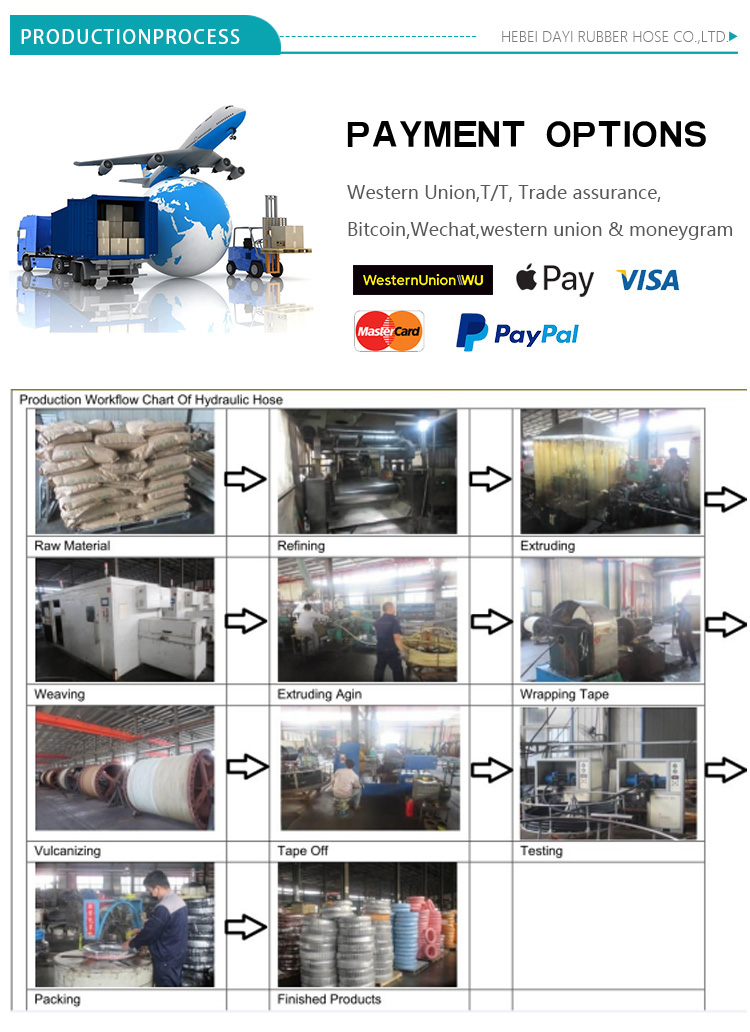
Hydraulic hoses are typically constructed of several layers. The inner tube, in direct contact with the fluid, is commonly made from nitrile rubber (NBR) for petroleum-based fluids, or fluorocarbon polymers (FKM/Viton) for aggressive fluids like synthetic hydraulic oils or chemicals. NBR exhibits good abrasion resistance and flexibility, while FKM provides superior chemical resistance and temperature stability. The reinforcement layer is critical for pressure containment, usually comprised of multiple braids of high-strength steel wire. The number and configuration of these braids directly impact the hose’s pressure rating and flexibility. A typical construction includes 2, 4, or 6 spiral-wound steel wire layers. Cover materials commonly include synthetic rubbers such as chloroprene (CR) or polyurethane (PU), providing protection against abrasion, weathering, and ozone degradation. Manufacturing processes begin with extrusion of the inner tube and cover. Steel wire is then spirally wound onto the inner tube, followed by extrusion of the outer cover. Parameter control is vital throughout the process. Extrusion temperature, screw speed, and die pressure are meticulously controlled to ensure consistent material density and dimensional accuracy. Wire tension during braiding is critical for achieving the specified pressure rating. Post-extrusion, hoses undergo rigorous testing, including pressure testing, impulse testing, and dimensional inspection. Quality control focuses on identifying defects such as porosity, inclusions, and variations in wall thickness. Compounding of rubber materials involves precise mixing of polymers, fillers (carbon black, silica), plasticizers, antioxidants, and curatives. Filler content influences mechanical properties like tensile strength and abrasion resistance. The curing process (vulcanization) crosslinks the polymer chains, imparting elasticity and durability.
Performance & Engineering
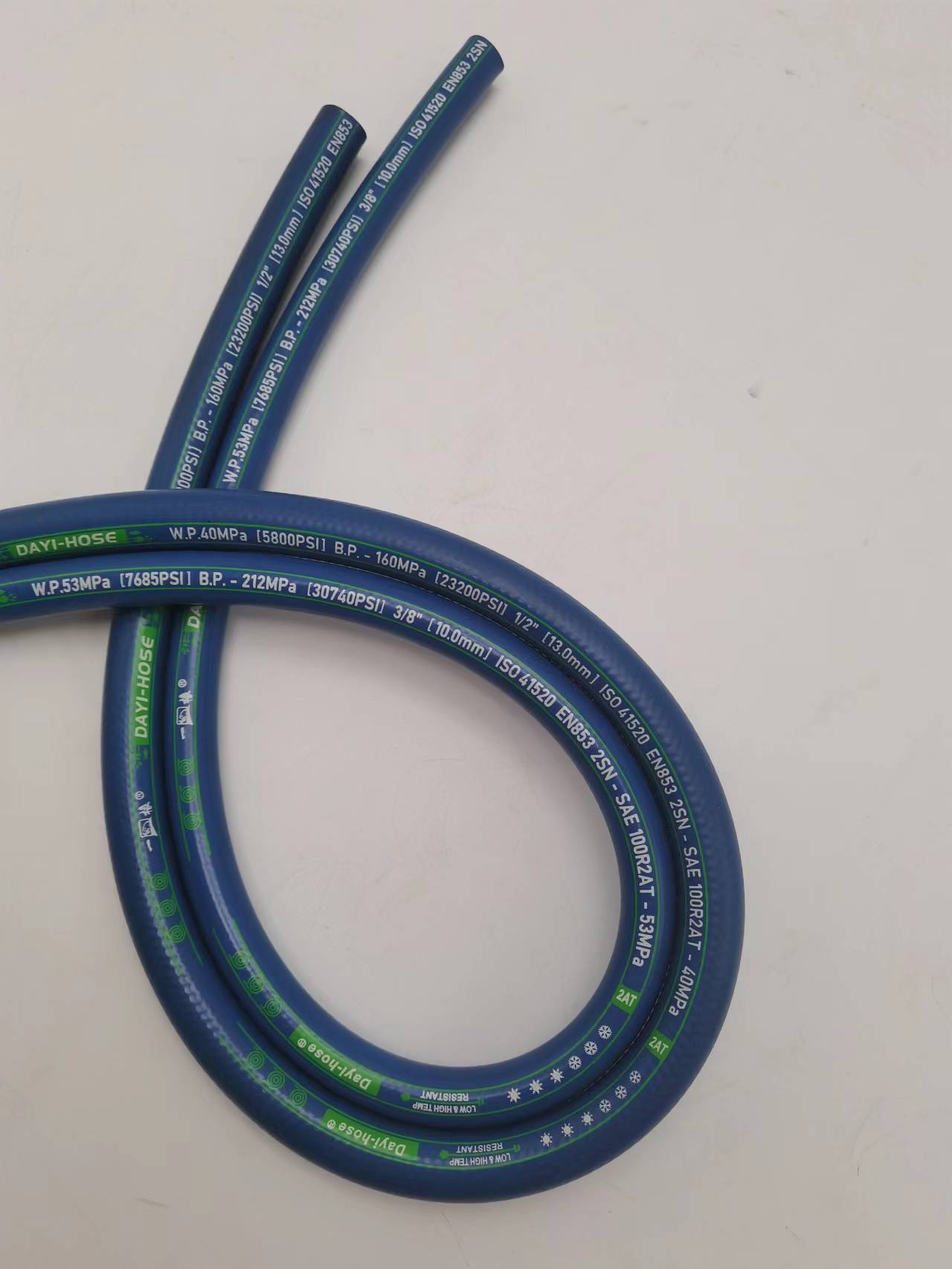
Hydraulic hose performance is dictated by several key engineering considerations. Burst pressure, determined through hydrostatic testing, represents the maximum pressure the hose can withstand before catastrophic failure. Working pressure is significantly lower, typically 50-75% of the burst pressure, providing a safety factor. Impulse testing evaluates the hose's ability to withstand pressure fluctuations (pulsations) commonly encountered in hydraulic systems. Hose selection must account for the fluid type, operating temperature, and potential exposure to chemicals. Force analysis involves calculating the hoop stress within the hose wall under pressure. Higher pressures and larger diameters result in increased hoop stress, requiring stronger reinforcement layers. Environmental resistance is crucial for outdoor applications. UV exposure, ozone, and temperature extremes can degrade the hose materials. Polyurethane covers offer superior abrasion resistance compared to standard rubber covers. Compliance requirements vary by region and industry. SAE J517 (USA) and EN 853/857 (Europe) are prominent standards specifying hose performance characteristics. Finite element analysis (FEA) is used to optimize hose designs, predicting stress distribution and identifying potential weak points. Hose assemblies, including fittings, must be designed to withstand the same stresses as the hose itself. Proper fitting selection and crimping procedures are essential for ensuring a leak-free and reliable connection. Dynamic bend radius is a critical parameter, influencing hose fatigue life. Exceeding the minimum bend radius can induce excessive stress and premature failure.
Technical Specifications
| Parameter | Unit | SAE 100R1AT | SAE 100R2AT |
|---|---|---|---|
| Working Pressure | MPa | 20.7 | 34.5 |
| Burst Pressure | MPa | 82.7 | 138.0 |
| Temperature Range | °C | -40 to +100 | -40 to +121 |
| Inner Tube | Material | NBR | NBR |
| Reinforcement | Layers | 1 Spiral Steel Wire | 2 Spiral Steel Wire |
| Cover | Material | Synthetic Rubber | Synthetic Rubber |
Failure Mode & Maintenance
Hydraulic hose failure can stem from several modes. Fatigue cracking, often initiated at the fitting crimp or at areas of high stress concentration (bends), results from repeated pressure cycles. Delamination, or separation of layers, occurs when bonding between layers is compromised, often due to heat or chemical attack. Abrasion, caused by external contact with surrounding components, can wear through the cover and expose the reinforcement layer. Oxidation and ozone cracking degrade the rubber materials, particularly in outdoor environments. Internal degradation of the inner tube, caused by incompatible fluids or excessive heat, can lead to swelling, softening, and ultimately, failure. Improper installation, such as over-tightening or incorrect routing, can also contribute to premature failure. Maintenance recommendations include regular visual inspection for signs of wear, abrasion, cracking, or leaks. Hoses should be replaced if any damage is detected. Proper fluid filtration is essential for preventing internal contamination and extending hose life. Avoid sharp bends and excessive twisting during installation. Use appropriate protective sleeves to prevent abrasion. Regularly check fitting crimps for tightness. Implement a preventative maintenance schedule based on operating conditions and fluid type. Record keeping of hose replacement dates and operating conditions aids in identifying recurring failure patterns and optimizing hose selection.
Industry FAQ
Q: What is the impact of fluid compatibility on hose life?
A: Fluid incompatibility is a major cause of hose failure. Using a fluid not approved for the hose material can cause swelling, softening, and degradation of the inner tube, leading to leaks and eventual rupture. Always verify fluid compatibility with the hose manufacturer’s specifications.
Q: How does temperature affect hydraulic hose performance?
A: Both high and low temperatures can compromise hose performance. High temperatures accelerate material degradation and reduce pressure rating. Low temperatures can reduce flexibility and increase the risk of cracking. Selecting a hose with a temperature range appropriate for the operating environment is critical.
Q: What are the key differences between spiral and braided hose reinforcement?
A: Spiral reinforcement generally provides higher pressure ratings and greater flexibility than braided reinforcement. Braided hoses are typically more cost-effective for lower-pressure applications. The choice depends on the specific application requirements.
Q: What are common causes of hose fitting failure?
A: Common causes include improper crimping, corrosion, and material incompatibility. Using the correct fittings and following proper crimping procedures are crucial. Regularly inspect fittings for signs of corrosion or damage.
Q: How can I minimize hose fatigue failure?
A: Minimize pressure pulsations, avoid sharp bends, ensure proper hose routing, and select a hose with an appropriate bend radius. Regular inspection and replacement of damaged hoses are also essential.
Conclusion
Selecting the appropriate hydraulic hose for an OEM application necessitates a thorough understanding of material properties, manufacturing processes, and performance requirements. Careful consideration of fluid compatibility, operating temperature, pressure rating, and environmental factors is paramount for ensuring reliable operation and minimizing downtime. The integration of robust quality control measures during manufacturing, coupled with adherence to relevant industry standards, is vital for delivering consistent performance.
Looking ahead, advancements in hose materials, such as thermoplastic polymers and bio-based rubbers, offer opportunities to improve performance and sustainability. Continued development of predictive maintenance techniques, utilizing sensor data and machine learning, will enable proactive identification of potential failures and optimize hose replacement schedules. Collaboration between OEMs, hose manufacturers, and end-users is essential for driving innovation and addressing evolving industry challenges.