
Apr . 01, 2024 17:55 Back to list
oem best price high pressure hydraulic hose manufacturers Performance Engineering
Introduction
High pressure hydraulic hoses are critical components in fluid power systems, transmitting hydraulic fluid to actuators and motors. OEM best price high pressure hydraulic hose manufacturers serve a diverse range of industries including construction, agriculture, mining, oil & gas, and manufacturing. These hoses are engineered to withstand extreme pressures, temperatures, and challenging environmental conditions. The technical position of these hoses within the supply chain is paramount, acting as a vital link between the power source and the functional elements of hydraulic machinery. Core performance characteristics include pressure rating, burst pressure, temperature range, fluid compatibility, and resistance to abrasion and kinking. The increasing demand for hydraulic systems with higher operating pressures and improved efficiency drives the need for continually evolving hose designs and manufacturing processes. A primary pain point within the industry is maintaining consistent quality control across varying production volumes, especially in OEM supply scenarios where customized specifications are commonplace.
Material Science & Manufacturing
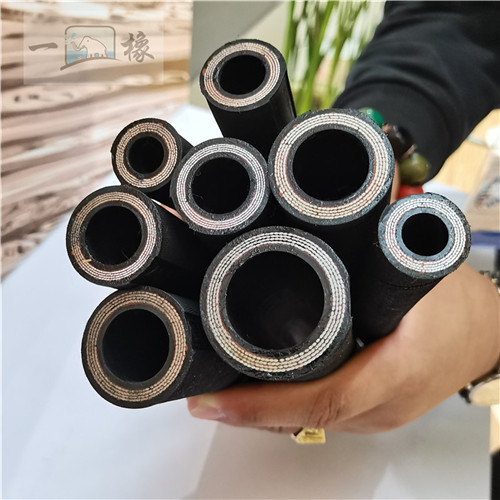
The construction of high pressure hydraulic hoses typically involves several layers, each with specific material properties. The inner tube, designed for fluid compatibility, is commonly made of synthetic rubbers like nitrile (NBR), ethylene propylene diene monomer (EPDM), or fluorocarbon (FKM/Viton). NBR offers good resistance to petroleum-based fluids, EPDM excels in phosphate ester resistance, and FKM provides superior resistance to a broad range of chemicals and high temperatures. The reinforcement layer is crucial for pressure containment, often composed of multiple layers of high-tensile steel wire helically wound. The number of layers and wire diameter directly influence the hose’s pressure rating. An intermediate cover provides adhesion between the reinforcement and the outer cover. The outer cover, typically a synthetic rubber like polyurethane or chloroprene, provides abrasion resistance, weather protection, and oil resistance. Manufacturing processes begin with extrusion of the inner tube and outer cover. Steel wire is then spiraled around the inner tube with precise tension control, a critical parameter determining burst strength. The assembly is then vulcanized (cured) under heat and pressure, chemically bonding the layers. Key process parameters include temperature, pressure, and cure time. Post-vulcanization testing includes hydrostatic testing to verify pressure integrity and dimensional checks for conformity to specifications. Contamination control during manufacturing is vital to prevent premature failure. Properly selected materials and tightly controlled manufacturing processes are vital for optimal performance and longevity.

Performance & Engineering
The performance of a high pressure hydraulic hose is governed by several engineering principles. Hose pressure rating is determined by the tensile strength of the reinforcement layers, the inner tube diameter, and the burst pressure, which is typically four times the working pressure. Finite Element Analysis (FEA) is frequently employed during the design phase to optimize reinforcement configurations and predict stress distributions under load. Environmental resistance is critical; hoses must withstand exposure to temperature extremes, UV radiation, ozone, and various chemicals. The fluid compatibility of the inner tube is paramount, preventing swelling, degradation, or leaching that could compromise performance or contaminate the hydraulic system. Fatigue analysis is essential, as hoses are subjected to cyclic pressure and bending. Bending radius is a critical parameter; exceeding the minimum bend radius can cause kinking and premature failure. Compliance requirements, such as those stipulated by SAE International (SAE J517, SAE J1926), dictate performance standards and testing procedures. Specific applications require consideration of impulse pressure (pressure spikes) and exposure to vibration, which can accelerate fatigue. Proper hose routing and support are crucial to prevent abrasion and excessive bending, maximizing service life. Additionally, the hose end fittings must be correctly crimped to ensure a leak-free seal and adequate mechanical strength.
Technical Specifications
| Parameter | Unit | Typical Value (DN20, 2-wire spiral) | Typical Value (DN50, 6-wire spiral) |
|---|---|---|---|
| Working Pressure | MPa | 31.5 | 63 |
| Burst Pressure | MPa | 126 | 252 |
| Temperature Range | °C | -40 to +100 | -40 to +100 |
| Inner Tube Material | - | NBR | EPDM |
| Reinforcement | - | 2 Steel Wire Spiral | 6 Steel Wire Spiral |
| Outer Cover Material | - | Polyurethane | Polyurethane |
| Minimum Bend Radius | mm | 40 | 80 |
Failure Mode & Maintenance
High pressure hydraulic hoses are susceptible to several failure modes. Fatigue cracking, caused by cyclic pressure and bending, is a common failure mechanism, often initiating at the crimp connection or at points of stress concentration. Abrasion damage to the outer cover can expose the reinforcement layers, leading to corrosion and eventual failure. Kinking, resulting from exceeding the minimum bend radius, can cause localized stress and rupture. Internal degradation of the inner tube due to incompatible fluids can lead to swelling, cracking, and leakage. External corrosion, particularly in harsh environments, can weaken the reinforcement layers. Improper crimping of end fittings can result in leakage or blow-off. Maintenance procedures should include regular visual inspections for signs of damage such as cracks, abrasions, kinks, or leaks. Hoses should be flushed periodically to remove contaminants. The hydraulic fluid should be regularly analyzed to ensure compatibility with the hose materials. Proper hose routing and support are crucial to prevent abrasion and excessive bending. Replace hoses at recommended intervals, even if no visible damage is apparent, to prevent catastrophic failure. Document all inspections and maintenance activities for traceability.
Industry FAQ
Q: What is the impact of fluid compatibility on hose lifespan?
A: Incorrect fluid compatibility can dramatically reduce hose lifespan. Incompatible fluids can cause the inner tube to swell, soften, or degrade, leading to cracking and leakage. Selecting a hose with an inner tube material specifically designed for the hydraulic fluid being used is critical. Regularly monitoring fluid condition and compatibility is also recommended.
Q: How does the number of reinforcement layers affect the hose’s performance?
A: Increasing the number of reinforcement layers directly increases the hose's pressure rating and burst pressure. However, it also increases stiffness and reduces flexibility. The optimal number of layers depends on the specific application and operating pressure requirements. Engineers carefully balance pressure capacity with flexibility considerations.
Q: What are the best practices for preventing kinking?
A: Adhering to the manufacturer's specified minimum bend radius is the primary method for preventing kinking. Proper hose routing and support are also crucial. Avoid sharp bends and ensure the hose is not subjected to excessive twisting. Using swivel fittings can help mitigate torsional stress.
Q: What are the common causes of hose blow-off at the crimp connection?
A: Hose blow-off typically results from improper crimping – either under-crimping (insufficient compression) or over-crimping (damage to the hose or fitting). Using certified crimping equipment and following the manufacturer’s crimping specifications are essential. Additionally, using compatible fittings and hoses is critical.
Q: How important is regular hose inspection and what should be checked for?
A: Regular hose inspection is paramount for preventing catastrophic failure. Inspectors should look for cracks, abrasions, kinks, leaks, swelling, and corrosion. They should also verify that the hose is properly supported and routed, and that the fittings are secure. Any signs of damage should prompt immediate replacement of the hose.
Conclusion
High pressure hydraulic hoses are complex engineered components requiring careful consideration of material selection, manufacturing processes, and operating conditions. Achieving optimal performance and longevity demands a thorough understanding of the underlying engineering principles, adherence to relevant industry standards, and proactive maintenance practices. The ongoing drive for higher system pressures and increased efficiency necessitates continuous innovation in hose design and materials, focusing on enhanced durability and reliability.
Ultimately, successful implementation relies on a collaborative approach between OEM manufacturers, system designers, and end-users, ensuring that the selected hose meets the specific requirements of the application and operates safely and effectively throughout its service life. Continued monitoring of fluid compatibility, reinforcement materials, and manufacturing techniques will remain crucial for advancing the performance and safety of high pressure hydraulic hose systems.