
Apr . 01, 2024 17:55 Back to list
oem best price high pressure hydraulic hose factory Performance Analysis
Introduction
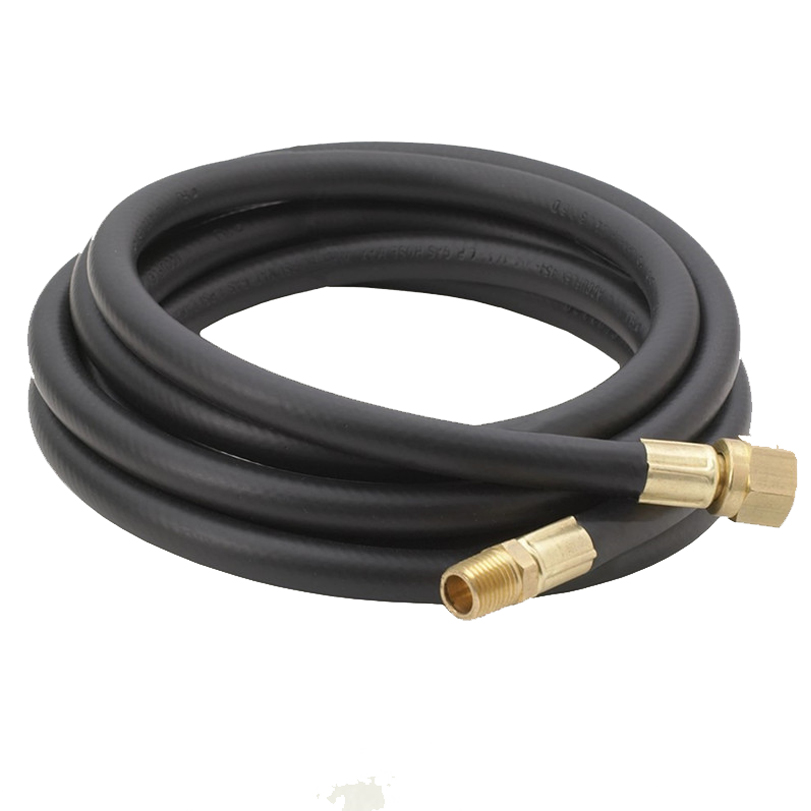
High-pressure hydraulic hoses are critical components in fluid power systems, transmitting hydraulic fluid to actuators and other components. These hoses are essential across diverse industries including construction, agriculture, manufacturing, oil & gas, and mining. The demand for OEM (Original Equipment Manufacturer) solutions prioritizing cost-effectiveness alongside stringent performance requirements is continually increasing. This guide details the materials, manufacturing processes, performance characteristics, failure modes, and maintenance protocols for high-pressure hydraulic hoses, focusing on considerations relevant to OEM procurement and quality assurance. The core performance of these hoses revolves around their ability to withstand extreme pressures, resist abrasion and corrosion, and maintain flexibility across a wide temperature range. Understanding these factors is paramount to selecting the appropriate hose for a given application and ensuring long-term system reliability. The industry faces significant challenges related to hose longevity, especially in demanding environments, necessitating robust materials and meticulous quality control.
Material Science & Manufacturing
High-pressure hydraulic hoses are typically constructed of multiple layers, each serving a distinct purpose. The inner tube, which comes into direct contact with the hydraulic fluid, is commonly made from nitrile rubber (NBR) for compatibility with petroleum-based fluids, or fluorocarbon (FKM) for enhanced chemical resistance and high-temperature applications. The reinforcement layer is crucial for pressure resistance and is generally composed of multiple braids of high-strength steel wire. The number of braids directly correlates with the hose’s working pressure capacity. External cover layers, usually constructed from synthetic rubbers like polyurethane or chloroprene, provide abrasion, weather, and ozone resistance.
Manufacturing processes begin with extrusion of the inner tube. Precise control of polymer formulation and extrusion parameters (temperature, pressure, screw speed) are critical to ensure consistent wall thickness and surface finish. The reinforcement layer is applied through a braiding process, where individual wires are interwoven around a mandrel. The angle and tension of the braid are precisely controlled to achieve the desired pressure rating and flexibility. Finally, the cover layer is extruded over the reinforcement, followed by vulcanization – a curing process that crosslinks the rubber polymers, enhancing their strength, elasticity, and chemical resistance. Parameter control during vulcanization, specifically temperature and time, is critical. Improper curing can result in undercured or overcured rubber, affecting hose performance and longevity. Quality control measures include hydrostatic testing, where hoses are subjected to pressures exceeding their rated working pressure to detect leaks or failures. Non-destructive testing methods, such as ultrasonic inspection, are also employed to verify reinforcement integrity.
Performance & Engineering
The performance of a hydraulic hose is dictated by several key engineering parameters. Burst pressure, working pressure, and safety factor are fundamental. Burst pressure represents the pressure at which the hose will fail catastrophically, while working pressure is the maximum recommended operating pressure. A safety factor, typically 4:1, is applied to account for pressure spikes and dynamic loads. Hose flexibility, defined by bend radius, is crucial to prevent kinking and fatigue failure. The tighter the bend radius, the more susceptible the hose is to damage. Tensile strength, measured in MPa or PSI, indicates the hose's resistance to axial loads. Environmental resistance is also a critical consideration. Exposure to extreme temperatures, UV radiation, ozone, and corrosive chemicals can degrade the hose materials, leading to premature failure.
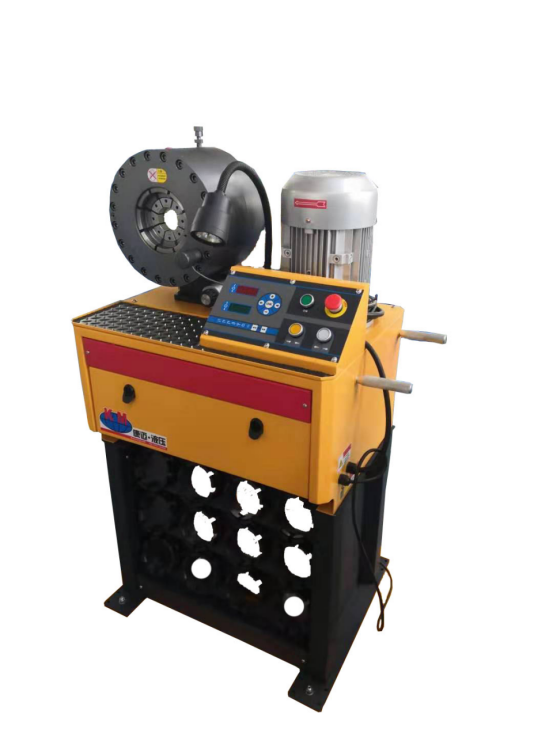
Force analysis under pressure involves understanding hoop stress – the tensile stress in the hose wall due to internal pressure. Hoop stress increases with pressure and hose diameter, requiring thicker reinforcement layers for larger diameter hoses. Fatigue analysis is essential for applications involving cyclic loading, such as hydraulic cylinders. Repeated pressure cycles can induce fatigue cracking in the reinforcement wires. Compliance with industry standards, such as SAE J517 and EN 853, is paramount to ensure hose performance and safety. These standards specify requirements for material properties, dimensional tolerances, and performance testing. Proper hose assembly, including crimping of fittings, is crucial for achieving the rated performance. Improper crimping can lead to fitting slippage or hose failure.
Technical Specifications
| Parameter | Unit | Typical Value (Steel Wire Braid) | Typical Value (Spiral Wire Reinforced) |
|---|---|---|---|
| Working Pressure | MPa | 20-35 | 40-70 |
| Burst Pressure | MPa | 80-140 | 160-280 |
| Temperature Range | °C | -40 to +100 | -40 to +120 |
| Inner Tube Material | - | NBR, FKM | NBR, FKM |
| Reinforcement Material | - | Steel Wire Braid | Spiral Steel Wire |
| Cover Material | - | Polyurethane, Chloroprene | Polyurethane, Chloroprene |
Failure Mode & Maintenance
Common failure modes in high-pressure hydraulic hoses include burst failure, kink failure, abrasion failure, and fitting failure. Burst failure typically occurs when the hose is subjected to pressures exceeding its rated working pressure. Kink failure results from excessive bending, causing the reinforcement wires to fatigue and break. Abrasion failure is caused by external damage to the cover layer, exposing the reinforcement to corrosion. Fitting failure can occur due to improper crimping, corrosion, or material fatigue.
Failure analysis often reveals root causes related to material defects, manufacturing errors, improper installation, or operating conditions. Metallurgical examination of fractured reinforcement wires can identify evidence of fatigue cracking or corrosion. Regular inspection is crucial for preventative maintenance. Inspect hoses for signs of abrasion, cracking, leaks, and kink damage. Replace hoses if any damage is detected. Proper storage is also important. Store hoses in a cool, dry place, away from direct sunlight and ozone sources. Avoid sharp bends during storage. Lubrication of fittings during installation can reduce galling and facilitate disassembly. Periodic fluid analysis can help identify contaminants that can accelerate hose degradation. Utilize a hose management program to track hose age, usage, and inspection results. Following a proactive maintenance plan significantly extends hose lifespan and reduces the risk of catastrophic failure.
Industry FAQ
Q: What is the difference between spiral and braided reinforcement in a hydraulic hose?
A: Braided reinforcement uses multiple layers of interwoven wire, providing good flexibility and moderate pressure capacity. Spiral reinforcement consists of a single wire wound helically around the hose, offering higher pressure ratings and greater kink resistance, but typically less flexibility than braided hoses. The application dictates which reinforcement type is best suited.
Q: How does temperature affect the performance of a hydraulic hose?
A: Elevated temperatures can reduce the tensile strength and elasticity of rubber compounds, leading to premature failure. Low temperatures can cause the hose to become stiff and brittle, increasing the risk of cracking. Selecting a hose with a temperature rating appropriate for the operating environment is critical.
Q: What is the impact of using incompatible hydraulic fluid with a hose's inner tube?
A: Incompatible fluids can cause the inner tube to swell, soften, or degrade, leading to leaks and hose failure. Always verify fluid compatibility with the hose material (NBR for petroleum-based fluids, FKM for more aggressive fluids).
Q: What are the best practices for crimping hydraulic hose fittings?
A: Proper crimping requires using the correct die size and crimping machine settings for the specific hose and fitting combination. Ensure the fitting is properly seated and that the crimp is uniform around the circumference of the hose. Over-crimping or under-crimping can both lead to failure.
Q: How can I extend the lifespan of my hydraulic hoses?
A: Implement a regular inspection and maintenance program, avoid exceeding the hose's working pressure, protect hoses from abrasion and extreme temperatures, use compatible hydraulic fluid, and ensure proper hose routing and support to minimize bending stress.
Conclusion
High-pressure hydraulic hoses are complex engineered products requiring careful material selection, precise manufacturing control, and diligent maintenance. Understanding the interplay between material properties, operating conditions, and potential failure modes is crucial for ensuring reliable performance and minimizing downtime. The selection of the correct hose type, reinforcement configuration, and fitting combination is paramount to meeting the specific demands of the application.
The ongoing development of advanced materials and manufacturing techniques continues to improve the performance and longevity of hydraulic hoses. Future trends include the use of thermoplastic materials for increased chemical resistance and reduced weight, as well as the incorporation of sensor technology for real-time monitoring of hose condition. A proactive approach to hose management, combining preventative maintenance with continuous improvement efforts, remains the key to maximizing hose lifespan and ensuring the safe and efficient operation of hydraulic systems.