
Apr . 01, 2024 17:55 Back to list
oem best price high pressure hydraulic hose factories Performance Analysis
Introduction
High-pressure hydraulic hoses are critical components in fluid power systems, transmitting hydraulic fluid to actuators and motors. OEM best price high-pressure hydraulic hose factories cater to a broad spectrum of industries, including construction, agriculture, mining, manufacturing, and aerospace. These hoses are characterized by their ability to withstand extreme pressures, temperatures, and fluid types while maintaining operational reliability. Their performance directly impacts the efficiency, safety, and longevity of the equipment they serve. The market is driven by demand for increased machine power and precision, necessitating robust and durable hose solutions. The selection of appropriate hoses is paramount, considering factors such as working pressure, burst pressure, fluid compatibility, temperature range, and hose construction. This guide will provide an in-depth technical overview of hydraulic hose materials, manufacturing processes, performance characteristics, failure modes, and industry standards, targeting engineers and procurement professionals.
Material Science & Manufacturing
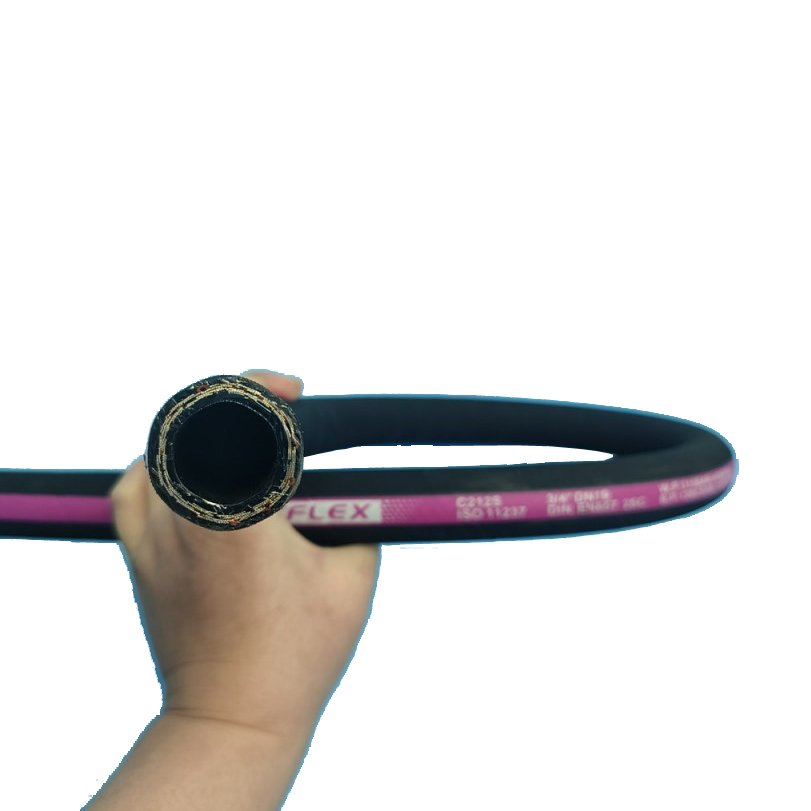
The core construction of a high-pressure hydraulic hose comprises several layers, each contributing to its overall performance. The inner tube, typically composed of synthetic rubber compounds such as nitrile (NBR), ethylene propylene diene monomer (EPDM), or fluorocarbon (FKM – Viton), provides compatibility with the conveyed hydraulic fluid. NBR excels in petroleum-based fluid resistance, EPDM in phosphate ester fluids, and FKM offers broad compatibility with aggressive fluids and high temperatures. Reinforcement layers, providing tensile strength and pressure resistance, are typically braided or spiraled from high-tensile steel wire. The number of layers and wire diameter dictate the hose’s working and burst pressures. Outer cover materials, typically polyurethane or rubber, protect the reinforcement layers from abrasion, weathering, and chemical exposure. Manufacturing processes begin with extrusion of the inner tube and outer cover. Reinforcement braiding or spiraling is performed using specialized machinery, ensuring consistent layer density and coverage. Critical parameters during manufacturing include temperature control during extrusion to prevent material degradation, precise wire tension during braiding, and thorough quality control checks for dimensional accuracy and material integrity. Vulcanization (curing) is a crucial step, chemically crosslinking the rubber compounds to enhance their strength, elasticity, and resistance to degradation. Post-curing inspections, including pressure testing and dimensional verification, are essential to ensure the hose meets performance specifications. The chemical compatibility of the inner tube material with the target hydraulic fluid is validated through immersion testing. Wire fatigue testing assesses the durability of the reinforcement layers under cyclic pressure loading.
Performance & Engineering
Hydraulic hose performance is primarily dictated by its ability to withstand internal pressure without failure. Working pressure is the maximum continuous operating pressure specified by the manufacturer, typically expressed in pounds per square inch (PSI) or megapascals (MPa). Burst pressure represents the pressure at which the hose will rupture, typically 3 to 4 times the working pressure, providing a safety factor. Hose performance is also significantly affected by temperature. Elevated temperatures reduce the rubber’s tensile strength and elasticity, decreasing burst pressure and increasing susceptibility to degradation. Conversely, low temperatures can cause the rubber to become brittle, reducing flexibility and increasing the risk of cracking. Fatigue life, the number of pressure cycles the hose can endure before failure, is a critical performance parameter. Fatigue failure is often initiated by microscopic cracks in the reinforcement layers, which propagate under cyclic loading. Engineering considerations include proper hose assembly techniques, utilizing compatible fittings, and avoiding sharp bends or kinks. Hose routing should minimize stress concentrations and protect the hose from abrasion and exposure to harsh environments. The impact of fluid velocity on hose life must also be considered; excessive velocity can lead to erosion of the inner tube. Finite element analysis (FEA) is frequently employed to model stress distribution within the hose under various loading conditions, optimizing hose design and predicting failure points. Compliance with industry standards such as SAE J517 (Hydraulic Hose – Performance Characteristics) and EN 856 (Steel Wire Braid Reinforced Hydraulic Hoses) is essential to ensure product safety and reliability.
Technical Specifications
| Parameter | Unit | Typical Value (NBR Inner Tube, Steel Wire Braid) | Typical Value (FKM Inner Tube, Spiral Steel Wire) |
|---|---|---|---|
| Working Pressure | PSI | 4,000 | 6,000 |
| Burst Pressure | PSI | 16,000 | 24,000 |
| Temperature Range | °F | -40 to 212 | -20 to 450 |
| Inner Tube Material | - | Nitrile Rubber (NBR) | Fluorocarbon (FKM) |
| Reinforcement | - | 2-wire braid | Spiral steel wire |
| Outer Cover | - | Polyurethane | Polyurethane |
Failure Mode & Maintenance
Hydraulic hose failure modes can be categorized as follows: Fatigue Cracking: Initiated by repeated pressure cycles, leading to crack propagation in the reinforcement layers. Abrasion: Caused by external contact with abrasive surfaces, damaging the outer cover and exposing the reinforcement. Kinking/Bending: Sharp bends restrict fluid flow and stress the hose structure, leading to premature failure. Chemical Degradation: Incompatibility between the inner tube material and the hydraulic fluid causes swelling, softening, and eventual failure. Heat Degradation: Elevated temperatures reduce the rubber's elasticity and strength, increasing susceptibility to cracking and burst failure. Fitting Failure: Corrosion, improper assembly, or material incompatibility can lead to fitting leaks or separation. Internal Erosion: High fluid velocity and abrasive particles can erode the inner tube. Preventative maintenance is crucial. Regular visual inspections should be conducted to identify signs of abrasion, cracking, kinking, or leaks. Hoses should be replaced based on manufacturer recommendations or when damage is detected. Proper hose routing and support are essential to minimize stress and abrasion. Fluid cleanliness is critical; filtration systems should be used to remove contaminants that can cause erosion or chemical degradation. Fittings should be inspected for corrosion and properly torqued during assembly. Documenting hose replacement dates and maintenance activities aids in tracking performance and identifying potential issues. A proactive maintenance program minimizes downtime and enhances system safety. Failure analysis, including microscopic examination of fractured components, can help identify the root cause of failures and prevent recurrence.
Industry FAQ
Q: What is the significance of the hose’s bend radius specification?
A: The bend radius specifies the minimum permissible radius for bending the hose without causing damage. Exceeding this radius creates stress concentrations in the hose wall, reducing its fatigue life and potentially leading to premature failure. Adhering to the specified bend radius ensures optimal performance and longevity.
Q: How does fluid compatibility affect hose selection?
A: Incorrect fluid compatibility can cause the inner tube to swell, soften, or degrade, leading to leaks and eventual failure. It’s crucial to select a hose with an inner tube material that is specifically compatible with the hydraulic fluid being used. Refer to compatibility charts provided by hose manufacturers.
Q: What are the advantages of spiral-wound hoses over braided hoses?
A: Spiral-wound hoses generally offer higher pressure ratings and greater flexibility than braided hoses. The spiral construction allows for a higher reinforcement ratio, increasing pressure resistance. They are often preferred in applications requiring long lengths and tight bends.
Q: How can I prevent hose twisting during installation?
A: Hose twisting can significantly reduce its service life. To prevent twisting, ensure the hose is properly supported and that fittings are not overtightened. Use swivel fittings where appropriate to allow for movement and prevent torsional stress. During installation, avoid dragging the hose across abrasive surfaces.
Q: What role does the outer cover play in hose performance?
A: The outer cover provides protection against abrasion, weathering, ozone, and chemical exposure. A robust outer cover is essential for extending the hose’s service life, particularly in harsh environments. Different cover materials offer varying levels of resistance to specific environmental factors.
Conclusion
High-pressure hydraulic hoses are sophisticated engineered components whose performance is critical to the reliable operation of hydraulic systems. The selection, installation, and maintenance of these hoses require a thorough understanding of material science, manufacturing processes, and performance characteristics. Factors such as working pressure, temperature range, fluid compatibility, and reinforcement type must be carefully considered to ensure optimal performance and prevent premature failure.
Implementing a proactive maintenance program, including regular inspections and timely replacement of damaged hoses, is essential for minimizing downtime and maximizing system safety. Adherence to relevant industry standards and best practices is paramount for ensuring product quality and reliability. Continued advancements in hose materials and manufacturing techniques are driving improvements in performance, durability, and safety, further enhancing the capabilities of hydraulic systems across various industries.