
Apr . 01, 2024 17:55 Back to list
oem automatic crimping machine manufacturers Performance Analysis
Introduction
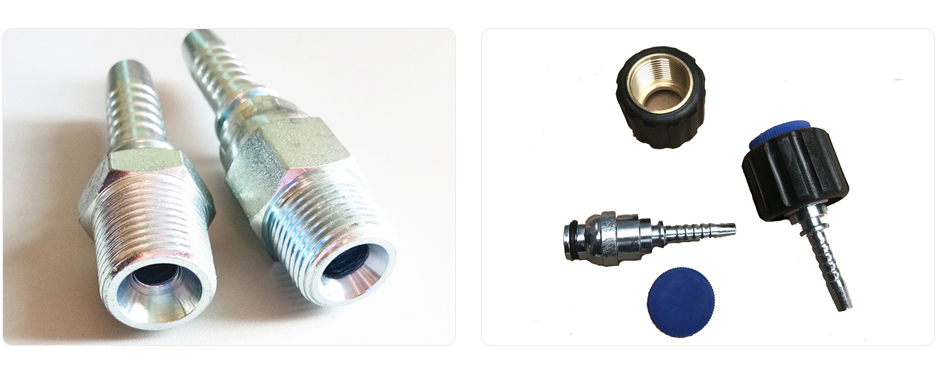
OEM automatic crimping machines are critical components in the manufacturing processes of diverse industries including automotive, aerospace, industrial hose, and hydraulic systems. These machines facilitate the secure attachment of fittings to hoses using compression, ensuring leak-proof connections vital for system performance and safety. Positioned between raw material suppliers (hoses, fittings) and final product assembly, these machines represent a substantial capital investment and are often specified based on crimp force, cycle time, hose diameter range, fitting compatibility, and automation capabilities. Core performance characteristics hinge on achieving consistent crimp diameter, preventing hose damage during the crimping process, and maintaining long-term reliability in high-volume production environments. A key industry pain point is achieving consistent quality across varying hose and fitting materials, demanding precise control systems and robust tooling.
Material Science & Manufacturing
The construction of an automatic crimping machine necessitates a complex interplay of material sciences. The machine frame is typically constructed from high-strength steel alloys (e.g., AISI 1045, S355J2) chosen for their yield strength, tensile strength, and weldability. These steels undergo processes like normalizing and quenching to optimize hardness and impact resistance, mitigating stress concentration during high-force crimping cycles. Hydraulic systems, essential for generating the crimping force, utilize high-grade hydraulic oil (typically mineral oil-based with anti-wear and anti-corrosion additives) and cylinders constructed from alloy steel with a hardened and honed internal surface to minimize friction and wear. Tooling – the dies and adapters that directly interact with the hose and fitting – is predominantly manufactured from tool steel (e.g., H13, D2) subjected to heat treatment to achieve high hardness (58-62 HRC) and dimensional stability. The manufacturing process involves precision machining (CNC milling, turning, grinding) to ensure accurate die geometry. Critical parameter control focuses on die surface finish (Ra < 0.8 μm to prevent hose damage) and concentricity. Automated lubrication systems employing specialized greases with extreme pressure (EP) additives are essential to reduce friction and wear on moving parts, maximizing machine lifespan. The hydraulic hoses used within the machine must exhibit exceptional burst pressure ratings and resistance to hydraulic fluid degradation.
Performance & Engineering
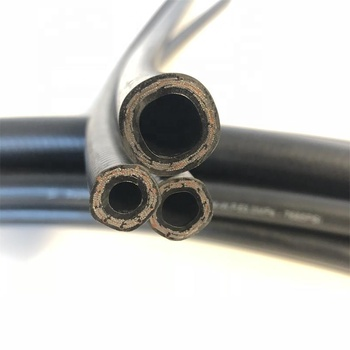
Performance evaluation of automatic crimping machines centers on several key engineering principles. Force analysis dictates the required hydraulic cylinder size and pump capacity to achieve the specified crimp force for a given hose and fitting combination. Finite Element Analysis (FEA) is routinely employed to optimize the frame design, minimizing stress concentration and preventing deformation under load. Environmental resistance is paramount; machines operating in harsh environments require protective coatings (e.g., epoxy powder coating) to prevent corrosion from humidity, dust, and chemicals. Compliance requirements vary by region, with stringent safety standards (e.g., CE marking in Europe, UL certification in North America) mandating emergency stop mechanisms, safety guards, and interlocks. Functional implementation relies heavily on Programmable Logic Controllers (PLCs) to automate the crimping cycle, monitor sensor data (e.g., crimp diameter, pressure), and provide diagnostic information. The accuracy of crimp diameter is verified through the use of calibrated measuring instruments (e.g., micrometers, calipers) and statistical process control (SPC) to ensure consistent quality. Achieving optimal crimp quality requires precise control of the crimping speed and dwell time, tailored to the specific hose and fitting materials. Understanding the hysteresis behavior of the hose material is crucial to prevent over-crimping or under-crimping.
Technical Specifications
| Crimp Force (kN) | Hose Diameter Range (in) | Cycle Time (seconds) | Power Supply (V/Hz/Ph) |
|---|---|---|---|
| 500 | 0.25 - 1.25 | 8-12 | 400/50/3 |
| 800 | 0.5 - 2.0 | 10-15 | 460/60/3 |
| 1200 | 1.0 - 3.0 | 12-18 | 460/60/3 |
| 1500 | 1.5 - 4.0 | 15-20 | 460/60/3 |
| 2000 | 2.0 - 5.0 | 18-25 | 460/60/3 |
| 2500 | 3.0 - 6.0 | 20-30 | 460/60/3 |
Failure Mode & Maintenance
Automatic crimping machines are subject to several potential failure modes. Fatigue cracking in the machine frame, particularly around welded joints, can occur due to cyclical loading. Hydraulic system failures, including pump wear, seal leakage, and cylinder damage, are common, often stemming from contamination of the hydraulic fluid or inadequate maintenance. Die wear and breakage, especially with abrasive hose materials, necessitate periodic die replacement. Electrical component failures, such as PLC malfunctions or sensor errors, can disrupt the automated crimping cycle. Degradation of hydraulic hoses within the machine can lead to leaks and reduced crimping force. Oxidation of metallic components due to exposure to environmental factors can accelerate corrosion. Proactive maintenance is crucial. This includes regular inspection of hydraulic fluid levels and condition, filter replacement, lubrication of moving parts, die inspection and replacement, and electrical system checks. Periodic calibration of the crimping force and cycle time is essential to maintain accuracy. Preventive maintenance schedules should be implemented based on machine usage and operating environment. Thorough documentation of maintenance activities and failure analysis is vital for identifying recurring issues and improving machine reliability.
Industry FAQ
Q: What are the key factors influencing die selection for different hose and fitting materials?
A: Die selection hinges on the hose’s outer diameter, fitting dash size, and material composition. Harder hose materials (e.g., steel-wire reinforced) require dies with a higher hardness rating to prevent deformation. The die angle must be optimized to ensure proper compression without damaging the hose reinforcement. Compatibility charts provided by die manufacturers should be consulted to ensure proper material pairings.
Q: How do I troubleshoot inconsistent crimp diameters?
A: Inconsistent crimp diameters can arise from several sources. Check hydraulic pressure, ensuring it meets the specification for the hose and fitting. Inspect the dies for wear or damage. Verify the accuracy of the machine’s sensors and PLC settings. Ensure consistent hose and fitting positioning during the crimping cycle. Finally, analyze the hose and fitting materials for batch-to-batch variations.
Q: What is the recommended hydraulic fluid maintenance schedule?
A: Hydraulic fluid should be analyzed for viscosity, contamination, and water content every 6 months. Filter replacement should occur every 3 months, or more frequently in dusty environments. Complete fluid changes are recommended every 2-3 years, depending on usage and analysis results.
Q: What safety features are critical in an automatic crimping machine?
A: Essential safety features include emergency stop buttons, safety guards surrounding the crimping head, interlocks that prevent operation with the guards open, and a clearly marked hazard zone. Regular safety inspections and operator training are also paramount.
Q: How does temperature affect the crimping process?
A: Temperature can significantly influence the crimping process. Cold temperatures can increase the hose’s rigidity, requiring more force to achieve a proper crimp. High temperatures can soften the hose material, potentially leading to over-crimping. Maintaining a consistent ambient temperature is recommended, or adjusting the crimping parameters accordingly.
Conclusion
OEM automatic crimping machines are sophisticated systems demanding careful consideration of material science, engineering principles, and rigorous maintenance protocols. The ability to consistently deliver reliable, leak-proof connections is paramount for industries reliant on fluid power and hose assemblies. Addressing the core pain points of inconsistent quality and machine downtime requires a holistic approach encompassing precision tooling, robust control systems, and proactive maintenance programs.
Future development will likely focus on integrating advanced sensors for real-time process monitoring, implementing predictive maintenance algorithms based on machine learning, and developing more versatile tooling capable of handling a wider range of hose and fitting combinations. Furthermore, increased emphasis on energy efficiency and sustainable manufacturing practices will drive the adoption of more efficient hydraulic systems and environmentally friendly materials.

