
Apr . 01, 2024 17:55 Back to list
oem 8mm air hose suppliers Performance Analysis
Introduction
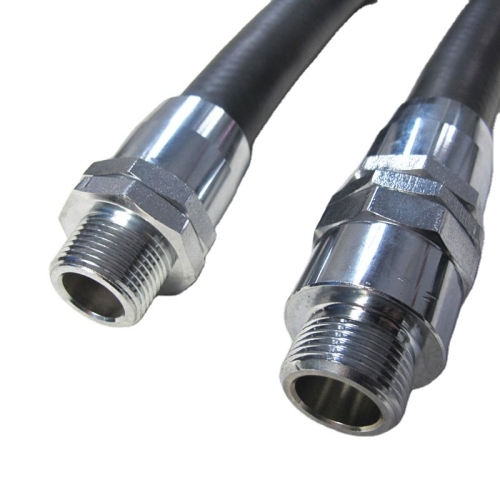
OEM 8mm air hoses represent a critical component in pneumatic systems across a diverse range of industrial applications, including manufacturing, construction, automotive repair, and automation. These hoses facilitate the transmission of compressed air to power tools, operate machinery, and enable various control functions. Their 8mm internal diameter is a common size balancing airflow capacity with hose flexibility and weight. Suppliers of these hoses must adhere to stringent performance and safety standards, providing consistent product quality to ensure reliable operation and prevent system failures. This technical guide delves into the material science, manufacturing processes, performance characteristics, potential failure modes, and relevant industry standards pertaining to OEM 8mm air hoses. A primary industry pain point centers around hose durability in harsh environments, including resistance to abrasion, ozone cracking, and exposure to oils and solvents. Maintaining consistent internal diameters and burst pressures is also a significant concern for optimal system performance.
Material Science & Manufacturing
The core material for 8mm air hoses is typically a thermoplastic elastomer (TPE), specifically Polyvinyl Chloride (PVC) or a Polyurethane (PU) blend. PVC offers cost-effectiveness and good abrasion resistance, while PU provides superior flexibility, chemical resistance, and low-temperature performance. Reinforcement is crucial. Common reinforcing materials include high-tensile strength polyester yarn or spiraled steel wire. Polyester braiding provides burst strength and prevents kinking, whereas steel wire provides higher pressure capabilities and improved resistance to stretching. The manufacturing process generally involves extrusion. The selected polymer compound is melted and forced through a die to create the hose’s inner and outer layers. Reinforcement materials are applied during or immediately after extrusion. Parameter control during extrusion is paramount. Temperature, screw speed, and die pressure must be precisely maintained to ensure consistent wall thickness, internal diameter, and material properties. Post-extrusion processes include curing (for certain PU formulations), surface treatment (for improved abrasion resistance), and dimensional inspection. Chemical compatibility testing is performed to confirm resistance to common industrial fluids like mineral oils, hydraulic fluids, and solvents. The selection of plasticizers in PVC compounds significantly impacts flexibility and aging characteristics; phthalate-free plasticizers are increasingly favored due to environmental concerns. The durometer (hardness) of the TPE also influences flexibility and resistance to wear.
Performance & Engineering
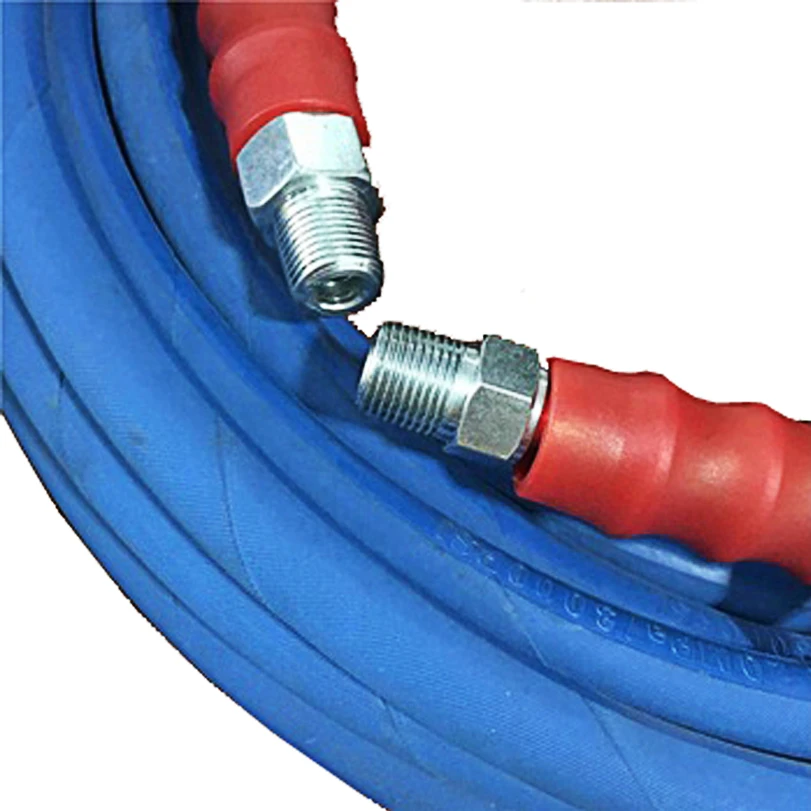
The performance of an 8mm air hose is governed by several key engineering parameters. Burst pressure, expressed in PSI or bar, is the maximum pressure the hose can withstand before rupture. Working pressure is significantly lower, typically 1/4 to 1/3 of the burst pressure, providing a safety margin. Tensile strength, measured in MPa, dictates the hose's resistance to stretching and tearing. Elongation at break indicates the maximum strain the hose can endure before failure. Flexibility is critical for ease of use and maneuverability. It’s often quantified by the bend radius – the minimum radius to which the hose can be bent without kinking or damaging the reinforcement. Environmental resistance is another crucial aspect. Ozone cracking, caused by exposure to ozone in the atmosphere, can lead to premature failure. UV resistance prevents degradation from sunlight. Temperature range defines the operational limits of the hose; performance can degrade at extreme temperatures. Force analysis is employed during design to predict stress concentrations and optimize reinforcement placement. Finite element analysis (FEA) is used to model hose behavior under pressure and bending. Compliance requirements often dictate specific performance characteristics, such as compliance with REACH and RoHS regulations regarding hazardous substances.
Technical Specifications
| Parameter | PVC Hose (Typical) | PU Hose (Typical) | Steel Wire Reinforced |
|---|---|---|---|
| Internal Diameter (mm) | 8.0 ± 0.2 | 8.0 ± 0.2 | 8.0 ± 0.2 |
| Working Pressure (bar) | 10 | 12 | 20 |
| Burst Pressure (bar) | 30 | 36 | 60 |
| Tensile Strength (MPa) | 15 | 20 | 25 |
| Temperature Range (°C) | -10 to +60 | -40 to +80 | -20 to +70 |
| Outer Diameter (mm) | 13.5 ± 0.3 | 12.0 ± 0.3 | 15.0 ± 0.5 |
Failure Mode & Maintenance
Common failure modes for 8mm air hoses include burst failure due to exceeding the working pressure, kinking due to excessive bending, abrasion leading to wall thinning and eventual rupture, ozone cracking causing surface fissures and weakening of the material, and chemical degradation from exposure to incompatible fluids. Fatigue cracking can occur from repeated flexing, especially at connection points. Delamination of the layers can occur if the bonding between the TPE and reinforcement is compromised. Failure analysis often reveals the root cause, such as improper material selection, manufacturing defects, or operational misuse. Preventative maintenance is crucial. Regular visual inspections should identify signs of wear, cracking, or bulging. Hoses should be replaced if any damage is detected. Avoid sharp bends and kinks. Ensure compatibility with the fluids being conveyed. Protect hoses from abrasion and direct sunlight. Store hoses in a cool, dry place when not in use. Connections should be secure and properly tightened to prevent leaks and stress concentrations. Periodic pressure testing can identify weakened hoses before catastrophic failure occurs. Properly discarding damaged hoses is essential, adhering to local environmental regulations.
Industry FAQ
Q: What is the impact of plasticizer migration in PVC hoses and how does it affect performance?
A: Plasticizer migration is the process where plasticizers, added to PVC to enhance flexibility, leach out of the material over time. This reduces flexibility, increases hardness, and leads to cracking, ultimately shortening the hose’s lifespan. Selecting PVC compounds with higher molecular weight plasticizers and incorporating UV stabilizers can minimize migration.
Q: How does steel wire reinforcement affect the hose’s behavior in dynamic applications (e.g., robotic arms)?
A: Steel wire reinforcement significantly increases the hose’s resistance to kinking and stretching, making it suitable for dynamic applications. However, it reduces flexibility compared to polyester-reinforced hoses. Fatigue life can be a concern with repeated bending; therefore, selecting a hose with appropriate bend radius specifications is crucial.
Q: What are the common methods for verifying the burst pressure rating of an 8mm air hose?
A: Burst pressure verification typically involves hydrostatically pressurizing the hose with water until failure. The pressure at which rupture occurs is recorded. This testing is often performed in accordance with ISO 3875 or similar standards. It's vital that testing is performed by a qualified laboratory to ensure accuracy and safety.
Q: What is the significance of REACH and RoHS compliance for air hoses destined for the European market?
A: REACH (Registration, Evaluation, Authorisation and Restriction of Chemicals) regulates the use of chemical substances, ensuring they are used safely and do not pose risks to human health or the environment. RoHS (Restriction of Hazardous Substances) restricts the use of specific hazardous materials in electrical and electronic equipment, and by extension, components like air hoses. Compliance demonstrates a commitment to environmental responsibility and market access.
Q: What is the role of surface treatment in extending the life of a PVC air hose?
A: Surface treatment, such as the application of a protective coating, improves abrasion resistance and protects against UV degradation. This significantly extends the hose's lifespan, particularly in harsh industrial environments. The coating also provides some resistance to chemical attack, further enhancing durability.
Conclusion
OEM 8mm air hoses are critical components requiring careful consideration of material science, manufacturing precision, and performance characteristics. The selection of the appropriate hose – whether PVC, PU, or reinforced with steel wire – hinges on the specific application requirements, including pressure, temperature, environmental conditions, and flexibility needs. Understanding potential failure modes and implementing preventative maintenance practices are essential for ensuring reliable operation and minimizing downtime.
Going forward, the trend towards more sustainable materials and manufacturing processes will continue to shape the air hose industry. The development of bio-based TPEs and the adoption of closed-loop recycling systems represent promising avenues for reducing environmental impact. Furthermore, advancements in sensor technology may enable real-time monitoring of hose condition, allowing for proactive maintenance and preventing catastrophic failures. Prioritizing quality, compliance, and innovation will be paramount for suppliers aiming to thrive in this competitive market.