
Apr . 01, 2024 17:55 Back to list
oem 8mm air hose supplier Performance Analysis
Introduction
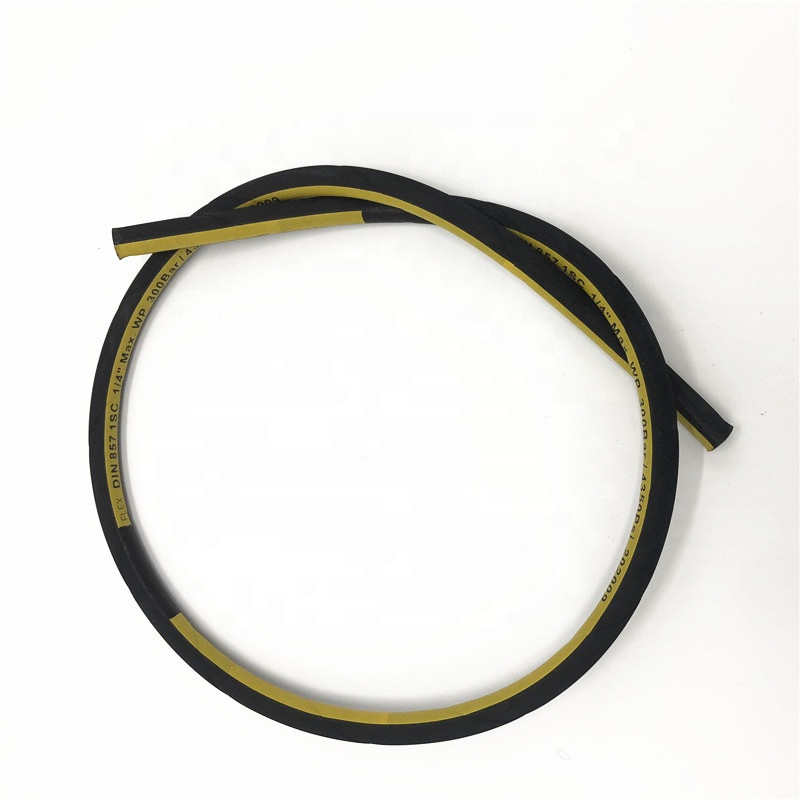
OEM 8mm air hoses are critical components in pneumatic systems across diverse industrial applications, ranging from automotive repair and manufacturing to construction and food processing. Positioned within the broader fluid transfer industry, these hoses facilitate the delivery of compressed air to power tools, automated machinery, and various pneumatic devices. Their specification – 8mm inner diameter – denotes a common size offering a balance between airflow capacity and maneuverability. Core performance characteristics center around burst pressure, working pressure, flexibility, kink resistance, and compatibility with various compressed air contaminants, including oil and water. A key industry pain point lies in maintaining consistent quality and adhering to stringent safety standards, as hose failure can lead to costly downtime, equipment damage, and potential personnel injury. Furthermore, the increasing demand for lightweight, durable, and chemically resistant hoses necessitates ongoing material innovation and manufacturing process refinement.
Material Science & Manufacturing
The predominant material for 8mm air hoses is a combination of synthetic rubbers and reinforcing layers. Commonly employed rubbers include Polyvinyl Chloride (PVC), Nitrile Butadiene Rubber (NBR), and Polyurethane (PU). PVC offers cost-effectiveness and general-purpose applications, possessing a tensile strength typically between 10-15 MPa. NBR exhibits superior oil resistance, with tensile strengths ranging from 12-20 MPa, making it suitable for environments with lubricant exposure. PU offers the highest tensile strength (15-30 MPa) and abrasion resistance, alongside excellent flexibility, but typically at a higher cost. Reinforcement layers are crucial for enhancing burst pressure and preventing hose collapse. These layers commonly consist of textile braids (polyester, nylon) or steel wire spirals. The manufacturing process generally involves extrusion, where the rubber compound is forced through a die to create the hose body. This is followed by the application of reinforcement layers, often through spiraling or braiding machines. Critical process parameters include extrusion temperature (affecting viscosity and surface finish), cure temperature and time (dictating crosslinking density and mechanical properties), and braid/spiral tension (determining burst strength and flexibility). Quality control relies heavily on dimensional accuracy, pressure testing (hydrostatic and impulse testing), and material composition analysis (using techniques like Fourier-Transform Infrared Spectroscopy - FTIR).
Performance & Engineering
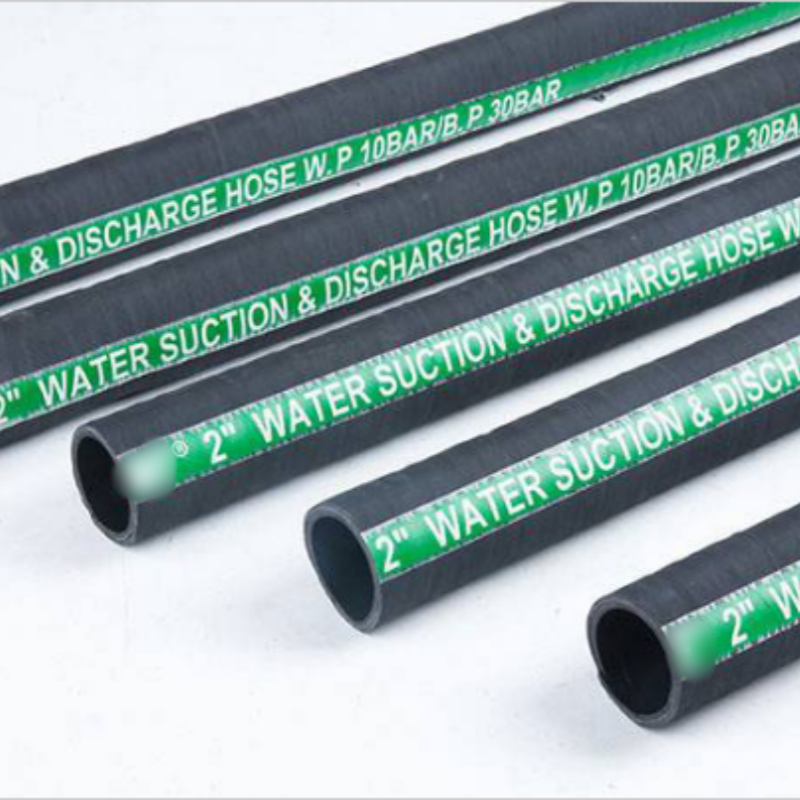
The performance of an 8mm air hose is fundamentally governed by principles of fluid mechanics and material stress analysis. Burst pressure, a critical safety parameter, is calculated based on the hoop stress within the hose wall, considering the internal pressure and the reinforcing layer’s contribution. Working pressure is typically a fraction (e.g., 1/4 or 1/3) of the burst pressure to provide a safety margin. Flexibility is dictated by the material’s Young’s modulus and the hose’s wall thickness – lower modulus and thinner walls contribute to greater flexibility. Kink resistance is enhanced by incorporating anti-kink designs, often involving spiral reinforcement or specialized helix structures. Environmental resistance is paramount, especially concerning ozone degradation, UV exposure, and temperature fluctuations. These factors can lead to rubber cracking and loss of elasticity. Compliance requirements vary based on the intended application and geographic region. For example, hoses used in food-grade applications must adhere to FDA regulations (21 CFR 177.2600) concerning material leachability. Automotive applications may necessitate compliance with SAE J2064 standards for pneumatic brake hoses. Furthermore, electrostatic discharge (ESD) considerations are crucial in environments sensitive to static buildup, potentially requiring the use of conductive rubber compounds.
Technical Specifications
| Parameter | PVC Hose | NBR Hose | PU Hose | Units |
|---|---|---|---|---|
| Inner Diameter | 8 | 8 | 8 | mm |
| Working Pressure | 6 | 8 | 10 | bar |
| Burst Pressure | 24 | 32 | 40 | bar |
| Tensile Strength | 12 | 18 | 25 | MPa |
| Temperature Range | -10 to +60 | -30 to +100 | -40 to +80 | °C |
| Oil Resistance | Poor | Excellent | Good | Qualitative |
Failure Mode & Maintenance
Common failure modes for 8mm air hoses include burst due to overpressure or material fatigue, cracking from ozone exposure or UV degradation, leakage at fittings due to improper installation or material incompatibility, and kinking leading to flow restriction and eventual failure. Fatigue cracking is often initiated at stress concentrations, such as near fittings or abrasions. Delamination can occur in multi-layered hoses if the bonding between layers is compromised. Oxidation of the rubber compound, particularly at elevated temperatures, can lead to hardening and reduced flexibility. Maintenance protocols should include regular visual inspections for cracks, abrasions, and leaks. Fittings should be tightened to the manufacturer’s specifications, avoiding over-tightening which can damage the hose. Hoses should be stored in a cool, dry environment away from direct sunlight and ozone sources. When replacing a hose, it's crucial to verify compatibility with the pneumatic system's pressure and temperature requirements. Periodic pressure testing can proactively identify hoses nearing the end of their service life. In case of a burst or significant damage, the entire hose assembly should be replaced, not just the damaged section. Proper disposal following local environmental regulations is also essential.
Industry FAQ
Q: What is the impact of humidity on the lifespan of an NBR air hose?
A: While NBR offers excellent oil resistance, prolonged exposure to high humidity can lead to plasticizer leaching, causing the rubber to become brittle and susceptible to cracking. The rate of degradation is accelerated at higher temperatures. Implementing regular drying procedures and storing the hose in a dehumidified environment can mitigate this effect.
Q: How does the reinforcement material affect the hose's resistance to kinking?
A: Spiral-wound reinforcement (typically steel wire) provides superior kink resistance compared to braided reinforcement (textile). The spiral structure resists collapsing under bending stress, maintaining internal airflow. However, spiral-wound hoses are generally less flexible than braided hoses.
Q: What are the key considerations when selecting a hose for a pneumatic conveying application (transporting particulate matter)?
A: Abrasion resistance is paramount in pneumatic conveying. PU hoses are often preferred due to their superior abrasion resistance compared to PVC or NBR. Electrostatic dissipation (ESD) is also critical to prevent static buildup, which can cause explosions in flammable environments. A conductive liner within the hose is often required.
Q: How do you determine the appropriate safety factor when specifying the working pressure of an air hose?
A: A safety factor of 4:1 is commonly employed, meaning the burst pressure should be at least four times the maximum working pressure. This provides a margin of safety to account for pressure surges, temperature fluctuations, and material degradation. Specific applications with higher risk profiles may necessitate a higher safety factor.
Q: What is the best method for ensuring a leak-proof connection between the air hose and the fitting?
A: Proper clamping is crucial. Using the correct clamp size and applying appropriate tightening torque (as specified by the fitting manufacturer) are essential. Inspecting the hose end for damage or deformation before installation is also critical. Applying a small amount of compatible lubricant (specifically designed for pneumatic fittings) can facilitate a secure seal.
Conclusion
The selection and implementation of OEM 8mm air hoses necessitate a thorough understanding of material properties, manufacturing processes, and performance characteristics. Optimizing hose performance requires careful consideration of application-specific demands, including pressure requirements, temperature ranges, chemical exposures, and environmental conditions. Prioritizing quality control, proper maintenance, and adherence to relevant industry standards are crucial for ensuring safety, reliability, and longevity.
Future trends in air hose technology will likely focus on the development of lighter-weight materials, enhanced chemical resistance, and smart hose systems incorporating sensors for real-time pressure monitoring and leak detection. Continued innovation in reinforcement technologies will contribute to improved burst pressure and kink resistance, while sustainable material options will become increasingly prevalent to address environmental concerns.