
Apr . 01, 2024 17:55 Back to list
oem 8mm air hose manufacturers Performance Analysis
Introduction
OEM 8mm air hoses are critical components in pneumatic systems across diverse industrial applications, including manufacturing, construction, automotive repair, and agricultural machinery. These hoses facilitate the transfer of compressed air, powering tools, machinery, and automated processes. The technical position of an 8mm air hose lies within the broader pneumatic conveyance system, acting as the flexible conduit between a compressed air source (compressor) and the pneumatic device. Core performance characteristics center on maintaining consistent internal pressure, resisting kinking and abrasion, and ensuring long-term durability under fluctuating temperatures and operational stress. A primary industry pain point is consistently delivering hoses that meet demanding pressure ratings, maintain flexibility over extended periods, and exhibit resistance to oil and chemical contamination, while remaining cost-competitive in a global market. Furthermore, ensuring consistent adherence to international safety standards is paramount, particularly regarding burst pressure and material composition.
Material Science & Manufacturing
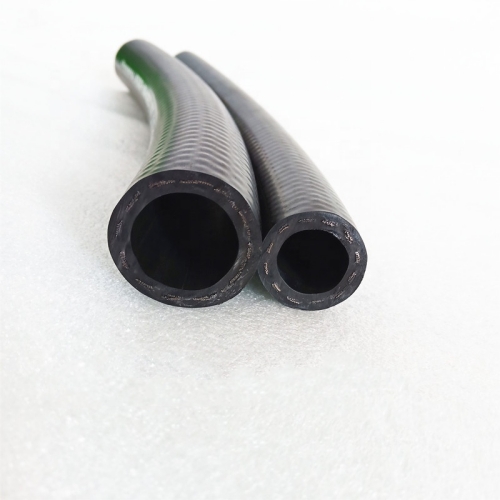
The most common material for 8mm air hoses is a blend of synthetic rubbers, primarily Polyvinyl Chloride (PVC) or a combination of PVC and Nitrile Rubber (NBR). PVC provides cost-effectiveness and general resistance to abrasion, while NBR enhances oil resistance, crucial for environments where lubricant exposure is anticipated. Reinforcement layers are typically woven from high-tensile textile fibers, such as polyester or nylon, embedded within the rubber matrix to provide burst strength and prevent expansion under pressure. The manufacturing process typically begins with compound mixing, where raw rubber polymers, plasticizers, stabilizers, and reinforcing agents are blended. This compound is then extruded through a die to form the hose’s inner tube. The reinforcement layer is subsequently applied, often through a spiral winding or braiding process. Finally, an outer cover is extruded over the reinforcement, providing abrasion resistance and UV protection. Key parameter control during extrusion includes maintaining consistent temperature and pressure to ensure uniform wall thickness and material density. Cure time and temperature are critical for achieving optimal rubber vulcanization, impacting the hose’s flexibility, strength, and resistance to degradation. Post-extrusion, hoses undergo pressure testing to verify burst strength and leak tightness, conforming to specified industry standards. The surface finish also needs to be controlled to ensure smooth air flow and minimize internal friction.
Performance & Engineering
The performance of an 8mm air hose is governed by several key engineering principles. Burst pressure, typically measured in PSI or Bar, is a critical safety parameter dictated by the reinforcement layer’s tensile strength and the rubber compound’s elongation at break. Hose flexibility is determined by the Shore hardness of the rubber compound; lower Shore hardness values indicate greater flexibility but potentially reduced abrasion resistance. Environmental resistance encompasses resistance to temperature extremes, UV radiation, ozone, and exposure to oils, fuels, and other chemicals. Force analysis during operation reveals that hoses are subjected to internal pressure, external bending stresses, and dynamic loading from movement and vibration. These stresses induce strain within the hose material, leading to fatigue over time. Compliance requirements mandate adherence to standards like REACH and RoHS, restricting the use of hazardous substances. Furthermore, the hose’s electrical conductivity (or lack thereof) is a consideration in certain applications to prevent static discharge. The design also accounts for the internal friction loss which affects airflow and system efficiency. Finite element analysis (FEA) is frequently employed during the design phase to optimize hose geometry and material selection to withstand anticipated operating conditions and maximize service life.
Technical Specifications
| Working Pressure (PSI) | Burst Pressure (PSI) | Temperature Range (°C) | Inner Diameter (mm) |
|---|---|---|---|
| 300 | 900 | -40 to +80 | 8.0 ± 0.2 |
| 300 | 900 | -30 to +70 | 8.0 ± 0.15 |
| 450 | 1350 | -40 to +90 | 8.0 ± 0.25 |
| 200 | 600 | -20 to +60 | 8.0 ± 0.3 |
| 350 | 1050 | -35 to +85 | 8.0 ± 0.2 |
| 400 | 1200 | -40 to +100 | 8.0 ± 0.1 |
Failure Mode & Maintenance
Common failure modes for 8mm air hoses include fatigue cracking due to repeated bending and flexing, particularly near fittings. Abrasion from contact with rough surfaces can lead to wear and eventual puncture. Oil contamination can cause swelling and degradation of the rubber compound, reducing its flexibility and strength. UV exposure can lead to surface cracking and embrittlement, especially in hoses lacking adequate UV stabilizers. Kinking, caused by excessive bending radius, restricts airflow and can create stress concentrations leading to failure. Internal degradation due to moisture ingress or chemical attack can weaken the hose material. Maintenance should involve regular visual inspections for signs of wear, cracking, or swelling. Hoses should be replaced immediately if any damage is detected. Avoid sharp bends and ensure proper hose routing to minimize stress. Store hoses in a cool, dry place away from direct sunlight and chemicals. Periodically test hoses for leaks using soapy water. Avoid exceeding the maximum working pressure specified by the manufacturer. For hoses exposed to oil, consider using oil-resistant NBR blends and implementing a regular cleaning schedule. The frequency of inspection and replacement will depend on the severity of the operating environment and the frequency of use.
Industry FAQ
Q: What is the impact of different reinforcement materials (polyester vs. nylon) on hose performance?
A: Polyester reinforcement generally offers higher tensile strength and lower elongation, resulting in a hose with greater resistance to burst pressure but potentially less flexibility. Nylon reinforcement provides superior abrasion resistance and is more resistant to fatigue, making it suitable for applications involving frequent bending and flexing. The choice depends on the specific application requirements.
Q: How does temperature affect the working pressure of an air hose?
A: Increased temperatures generally decrease the working pressure capacity of an air hose due to the reduction in rubber compound strength and increased expansion under pressure. Conversely, lower temperatures can increase hardness and reduce flexibility. Manufacturers specify temperature ranges within which the hose’s pressure rating is valid.
Q: What are the key considerations when selecting a hose for use with oily air?
A: NBR (Nitrile Butyl Rubber) or other oil-resistant rubber compounds are essential. Standard PVC hoses will swell and degrade rapidly in contact with oil, leading to premature failure. Consider the type of oil and its concentration to select the appropriate rubber formulation.
Q: How important are fittings in preventing hose failure?
A: Fittings are a critical point of potential failure. Improperly installed or low-quality fittings can cause leaks, kinks, and eventual separation from the hose. Ensure fittings are correctly sized, securely tightened, and made from compatible materials. Barbed fittings are generally preferred over compression fittings for pneumatic applications.
Q: What does REACH and RoHS compliance mean for air hose manufacturers?
A: REACH (Registration, Evaluation, Authorisation and Restriction of Chemicals) and RoHS (Restriction of Hazardous Substances) are European Union directives that restrict the use of certain hazardous substances in manufactured products, including air hoses. Compliance ensures that the hose does not contain prohibited materials like lead, cadmium, mercury, hexavalent chromium, PBBs, and PBDEs, ensuring environmental safety and human health.
Conclusion
The selection and proper implementation of OEM 8mm air hoses requires a thorough understanding of material science, manufacturing processes, performance characteristics, and potential failure modes. Achieving optimal performance and longevity hinges on selecting the appropriate rubber compound and reinforcement materials based on the specific operating environment, ensuring proper installation and maintenance procedures are followed, and consistently adhering to relevant international safety standards.
Looking ahead, advancements in rubber technology and reinforcement materials will likely lead to the development of lighter, more durable, and more chemically resistant air hoses. Focus will also be placed on sustainable materials and manufacturing processes to minimize environmental impact. Continued adherence to rigorous testing and quality control protocols will remain essential for ensuring the safe and reliable operation of pneumatic systems across diverse industrial applications.