
Apr . 01, 2024 17:55 Back to list
oem 8mm air hose manufacturer Performance Analysis
Introduction
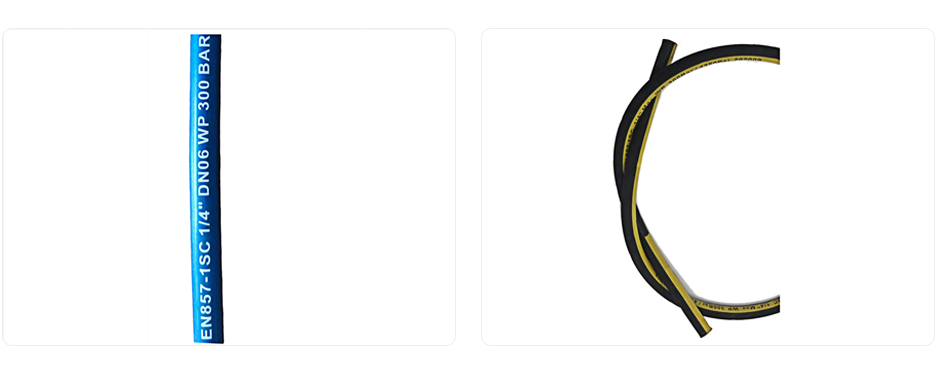
OEM 8mm air hoses are critical components in pneumatic systems across diverse industries, including automotive repair, manufacturing, construction, and woodworking. They serve as the flexible conduit for compressed air, enabling the operation of tools, machinery, and automated processes. This technical guide provides an in-depth analysis of 8mm air hose manufacturing, material science, performance characteristics, failure modes, and relevant industry standards. The 8mm inner diameter represents a common size balancing airflow capacity and hose weight/flexibility. Core performance attributes include pressure rating, burst strength, flexibility at varying temperatures, and resistance to abrasion, oil, and ozone. A key industry pain point revolves around hose durability and maintaining consistent performance over extended use cycles, particularly in harsh environments with exposure to hydrocarbons and physical stresses. This guide aims to address these concerns with detailed technical information for engineers, procurement managers, and maintenance personnel.
Material Science & Manufacturing
The predominant material for 8mm air hoses is a combination of thermoplastic elastomers (TPEs) or rubber compounds reinforced with textile or steel wire braiding. Common rubber compounds include nitrile rubber (NBR), styrene-butadiene rubber (SBR), and ethylene propylene diene monomer (EPDM). NBR offers excellent resistance to oils and fuels, making it suitable for automotive applications. SBR provides good abrasion resistance and is a cost-effective option for general-purpose use. EPDM exhibits superior resistance to ozone, weathering, and heat, often used in outdoor applications. TPEs are gaining traction due to their recyclability and flexibility. The reinforcement braiding provides tensile strength and prevents hose kinking or bursting under pressure. Polyester braiding is common for its strength-to-weight ratio, while steel wire braiding is used for high-pressure applications.
Manufacturing typically involves extrusion of the inner and outer layers, followed by braiding and final curing. Extrusion utilizes a screw-type extruder to melt and shape the rubber or TPE compound. Critical parameters during extrusion include melt temperature, screw speed, and die geometry, all impacting the hose's wall thickness and dimensional accuracy. The braiding process involves precisely winding the reinforcement material around the extruded core. The braiding angle and tension are crucial for controlling hose flexibility and burst pressure. Finally, vulcanization (for rubber compounds) or curing (for TPEs) is performed to crosslink the polymer chains, enhancing the material's strength, elasticity, and resistance to degradation. Quality control involves rigorous testing of material properties, dimensional tolerances, and pressure resistance at each stage of the manufacturing process.
Performance & Engineering
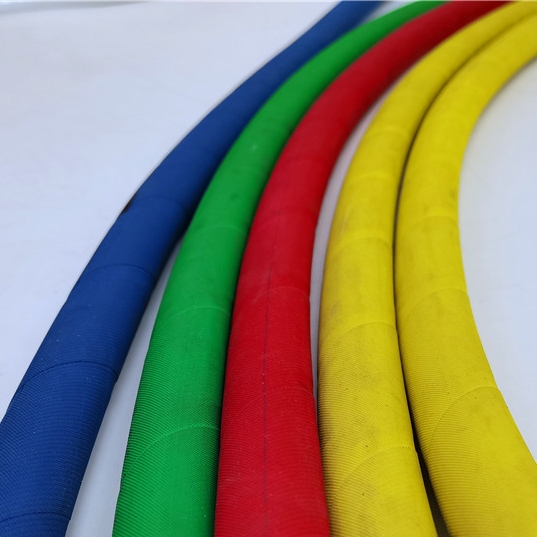
The performance of an 8mm air hose is governed by several engineering principles. Tensile strength, determined by the reinforcement braiding, dictates the hose's resistance to stretching and breaking under load. Burst pressure, a critical safety parameter, is determined through hydrostatic testing, measuring the pressure at which the hose fails. Flexibility, essential for ease of use, is influenced by the material's durometer (hardness) and the braiding structure. Environmental resistance is paramount; exposure to oils, fuels, ozone, UV radiation, and temperature extremes can significantly degrade hose performance. Fatigue life is another crucial consideration, especially in applications involving repeated flexing and pressure cycling. Finite Element Analysis (FEA) is often used in the design phase to optimize hose geometry and reinforcement to maximize performance and durability.
Compliance requirements vary by region and application. For example, in the automotive industry, hoses must meet standards for fuel resistance and temperature stability. In food and beverage applications, hoses must comply with FDA regulations regarding material leachability and sanitation. The Working Pressure (WP) is typically defined as 50% of the Burst Pressure (BP) for a safety factor. Long-term performance is also significantly affected by the hose’s ability to maintain its dimensional stability under sustained pressure and temperature variations. Creep, the tendency of a material to deform permanently under constant stress, is a critical factor requiring careful material selection and design considerations.
Technical Specifications
| Parameter | NBR (Nitrile Rubber) | SBR (Styrene-Butadiene Rubber) | EPDM (Ethylene Propylene Diene Monomer) | TPE (Thermoplastic Elastomer) |
|---|---|---|---|---|
| Inner Diameter (ID) | 8mm ± 0.1mm | 8mm ± 0.1mm | 8mm ± 0.1mm | 8mm ± 0.1mm |
| Working Pressure (WP) | 6 Bar (87 PSI) | 5 Bar (72 PSI) | 8 Bar (116 PSI) | 7 Bar (102 PSI) |
| Burst Pressure (BP) | 12 Bar (174 PSI) | 10 Bar (145 PSI) | 16 Bar (232 PSI) | 14 Bar (203 PSI) |
| Temperature Range | -40°C to +100°C (-40°F to +212°F) | -30°C to +80°C (-22°F to +176°F) | -50°C to +150°C (-58°F to +302°F) | -40°C to +90°C (-40°F to +194°F) |
| Tensile Strength | 18 MPa | 15 MPa | 20 MPa | 16 MPa |
| Oil Resistance | Excellent | Good | Fair | Good |
Failure Mode & Maintenance
Common failure modes for 8mm air hoses include burst failure due to exceeding the working pressure, kinking resulting from excessive bending radius, abrasion from contact with rough surfaces, and degradation caused by exposure to oils, ozone, or UV radiation. Fatigue cracking can occur in the reinforcement braiding after repeated flexing. Delamination, the separation of layers within the hose wall, can weaken the structure and lead to failure. Oxidation of rubber compounds can cause hardening and cracking over time. Identifying the root cause of failure is critical for implementing preventative measures.
Maintenance practices include regular visual inspection for signs of damage (cracks, abrasions, swelling), pressure testing to verify the hose's integrity, and proper storage to minimize exposure to harsh environments. Avoid sharp bends and kinks during use. Ensure the hose is compatible with the fluids and gases being conveyed. Replace hoses immediately if any damage is detected. For rubber hoses, applying a protective coating can help prevent oxidation and degradation. Regular cleaning with mild soap and water can remove contaminants that may accelerate degradation. Avoid the use of harsh solvents or abrasive cleaners.
Industry FAQ
Q: What is the impact of hose layline marking on traceability and warranty compliance?
A: Layline markings, including manufacturer identification, date of manufacture, and pressure ratings, are crucial for traceability. These markings enable verification of warranty compliance and facilitate root cause analysis in the event of a failure. Without proper layline markings, it can be difficult to determine if a hose was manufactured to specified standards and is within its warranty period.
Q: How does the choice of reinforcement braiding (polyester vs. steel wire) affect the hose’s lifespan and resistance to impact?
A: Polyester braiding provides good flexibility and resistance to fatigue, resulting in a longer lifespan in applications with repeated bending. Steel wire braiding offers superior burst strength and resistance to impact, making it suitable for high-pressure and harsh environments. However, steel wire can be more prone to corrosion if not properly protected.
Q: What are the key considerations when selecting an air hose for use with oily compressed air?
A: For oily compressed air, NBR (nitrile rubber) is the preferred material due to its excellent oil resistance. SBR and EPDM are less resistant and may swell or degrade over time. The hose's inner surface should be smooth to minimize oil buildup and maintain airflow.
Q: How does temperature affect the working pressure rating of an air hose?
A: Generally, as temperature increases, the working pressure rating decreases. Hose manufacturers provide derating factors for elevated temperatures. Operating a hose above its rated temperature can significantly reduce its lifespan and increase the risk of failure.
Q: What are the implications of using a hose with an inner diameter significantly smaller than the tool’s air intake requirements?
A: Using a hose with a smaller ID than required can result in reduced airflow, leading to decreased tool performance and potential overheating. It also increases the risk of pressure drop and may strain the air compressor. Selecting the correct ID is crucial for optimal tool operation.
Conclusion
OEM 8mm air hoses represent a critical, yet often overlooked, component in pneumatic systems. Selecting the appropriate material and construction based on application-specific requirements – including pressure, temperature, chemical exposure, and mechanical stress – is vital for ensuring safe, reliable, and efficient operation. Understanding the interplay between material science, manufacturing processes, and performance characteristics is essential for engineers and procurement professionals tasked with specifying and maintaining these hoses.
Future developments in air hose technology will likely focus on lightweight materials, enhanced durability, and improved resistance to environmental degradation. Furthermore, the adoption of smart hose technology – incorporating sensors for pressure monitoring and leak detection – will enable predictive maintenance and optimize system performance. Continuous innovation in material science and manufacturing techniques will play a key role in extending hose lifespan and reducing the total cost of ownership.