
Apr . 01, 2024 17:55 Back to list
oem 8mm air hose factory Performance Analysis
Introduction
OEM 8mm air hose represents a critical component within pneumatic systems, facilitating the transmission of compressed air to power tools, machinery, and various industrial applications. Positioned as a mid-range diameter hose, 8mm internal diameter (ID) balances airflow capacity with manageable flexibility and weight. These hoses are typically manufactured by Original Equipment Manufacturers (OEMs) to meet specific customer specifications regarding length, fitting types, and material composition. Core performance characteristics include burst pressure, working pressure, temperature resistance, and flexibility, directly impacting system efficiency and safety. The increasing demand for reliable and durable air hoses is driven by growth in manufacturing, construction, and automotive sectors. A key industry pain point revolves around consistent quality control, ensuring each hose meets stringent safety standards to prevent catastrophic failures and downtime.
Material Science & Manufacturing
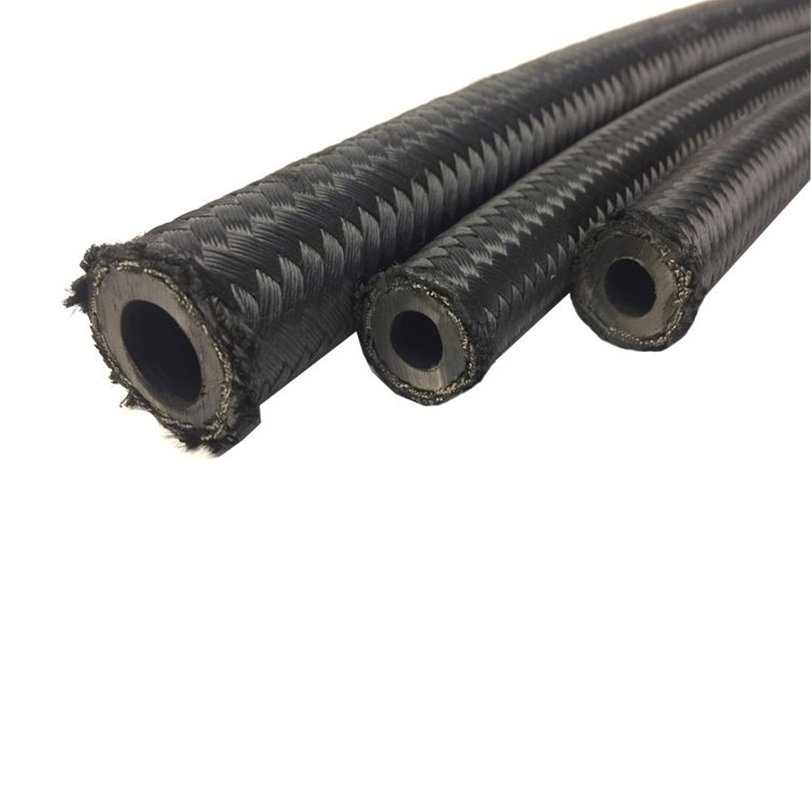
The most common material for 8mm air hoses is a blend of synthetic rubbers, primarily Polyvinyl Chloride (PVC) or a combination of PVC with Polyurethane (PU). PVC offers cost-effectiveness and reasonable abrasion resistance, while PU provides superior flexibility, oil resistance, and low-temperature performance. Reinforcement layers are crucial, typically consisting of a high-tensile textile braid (polyester or nylon) embedded within the rubber matrix. This braid imparts strength, preventing bursting under pressure and providing dimensional stability. Manufacturing processes commonly involve extrusion, where the rubber compound is forced through a die to create a seamless tube. The reinforcement braid is applied simultaneously or in a separate winding step. Following braiding, a protective outer cover is extruded. Key parameter control during extrusion includes maintaining consistent rubber temperature and pressure to ensure uniform wall thickness and complete encapsulation of the reinforcement. Curing, a vulcanization process, then cross-links the rubber molecules, enhancing its elasticity, tensile strength, and resistance to degradation. The quality of the raw materials – rubber polymers, plasticizers, stabilizers, and reinforcing fibers – significantly impacts the final product's performance and lifespan. Chemical compatibility between the hose material and the compressed air (considering potential contaminants like oil or water) is a critical consideration.
Performance & Engineering
The performance of an 8mm air hose is dictated by several engineering principles. Burst pressure, typically specified in PSI or bar, represents the maximum pressure the hose can withstand before rupture. Working pressure is significantly lower, representing the safe operating pressure for continuous use. A safety factor of 4:1 is commonly employed, meaning the burst pressure should be four times the working pressure. Flexibility is crucial for ease of handling and maneuverability, determined by the hose’s bend radius. Force analysis considers the internal pressure acting radially on the hose walls, opposed by the tensile strength of the reinforcement braid. Temperature resistance is paramount, particularly in industrial environments where hoses may be exposed to extreme heat or cold. Chemical resistance ensures compatibility with potential contaminants in the compressed air stream, preventing swelling, cracking, or degradation. Compliance requirements vary by region, with standards like REACH and RoHS restricting the use of certain hazardous substances. The hose’s ability to maintain its integrity under cyclic pressure fluctuations (fatigue resistance) is also a critical engineering consideration. Fittings play a vital role; improper fitting attachment can compromise the hose's structural integrity and lead to leaks or failures.
Technical Specifications
| Parameter | Unit | Typical Value (PVC Hose) | Typical Value (PU Hose) |
|---|---|---|---|
| Internal Diameter | mm | 8.0 | 8.0 |
| Working Pressure | bar | 10 | 12 |
| Burst Pressure | bar | 40 | 48 |
| Temperature Range | °C | -10 to +60 | -40 to +80 |
| Material | - | PVC with Polyester Braid | PU with Polyester Braid |
| Outer Diameter | mm | 12.5 | 11.5 |
Failure Mode & Maintenance
Common failure modes for 8mm air hoses include burst failure due to exceeding working pressure, fatigue cracking resulting from repeated flexing and pressure cycles, pinhole leaks caused by abrasion or punctures, and degradation from exposure to UV radiation, ozone, or incompatible chemicals. Burst failure is often catastrophic, posing a safety risk. Fatigue cracking typically initiates at stress concentration points, such as near fittings. Failure analysis often reveals separation between the rubber matrix and the reinforcement braid as a contributing factor. Oxidation of the rubber material, leading to brittleness and cracking, is accelerated by high temperatures. Maintenance procedures include regular visual inspection for cuts, abrasions, bulges, or discoloration. Hoses should be replaced immediately if any damage is detected. Proper storage, away from direct sunlight and extreme temperatures, is crucial. Avoid kinking the hose, as this can weaken the rubber and lead to premature failure. Fittings should be securely attached and inspected for leaks. Periodic pressure testing can identify weaknesses before a catastrophic failure occurs. Lubrication of fittings can prevent seizing and facilitate easy disassembly for inspection and replacement.
Industry FAQ
Q: What is the impact of hose material on oil resistance?
A: PVC hoses exhibit limited oil resistance and can swell or degrade when exposed to certain oils. PU hoses demonstrate significantly superior oil resistance, making them ideal for applications where oil contamination is a concern. The type of oil (mineral oil, synthetic oil, etc.) also influences compatibility; always consult a chemical resistance chart before use.
Q: How does the reinforcement braid affect hose performance?
A: The reinforcement braid is crucial for preventing bursting and maintaining dimensional stability. Higher braid density (number of yarns per inch) generally equates to increased strength and burst pressure. The material of the braid (polyester, nylon) also impacts performance; nylon typically offers higher tensile strength.
Q: What are the key considerations when selecting fittings?
A: Fittings must be compatible with the hose material and inner diameter. Ensure fittings are rated for the intended working pressure and temperature. Proper crimping or clamping is essential to create a secure connection and prevent leaks. Consider the type of connection (quick-connect, threaded, barbed) based on the application requirements.
Q: What is the expected service life of an 8mm air hose?
A: Service life varies greatly depending on usage conditions. Under ideal conditions, a PVC hose may last 2-3 years, while a PU hose could last 5-7 years. However, frequent flexing, exposure to harsh chemicals or UV radiation, and exceeding working pressure can significantly reduce service life.
Q: How do I determine the appropriate working pressure for my application?
A: The working pressure should be based on the maximum pressure generated by the pneumatic system, with a safety factor of at least 4:1. Consider any pressure spikes or fluctuations that may occur during operation. Always select a hose with a working pressure rating exceeding the system's maximum operating pressure.
Conclusion
OEM 8mm air hose selection demands a meticulous understanding of material properties, manufacturing processes, and performance parameters. The optimal choice hinges on balancing cost, durability, flexibility, and chemical resistance with the specific demands of the application. A robust understanding of potential failure modes and proactive maintenance practices are essential for maximizing hose lifespan and ensuring operational safety.
The future of air hose technology will likely focus on the development of even more durable and flexible materials, coupled with intelligent sensing capabilities to monitor hose condition and predict potential failures. Advancements in manufacturing techniques will enable the production of lighter-weight, high-performance hoses with improved resistance to environmental degradation and chemical attack. Furthermore, increased emphasis on sustainable materials and manufacturing processes will drive innovation in the industry.