
Apr . 01, 2024 17:55 Back to list
oem 8mm air hose factories Performance Analysis
Introduction
OEM 8mm air hose constitutes a critical component in pneumatic systems across diverse industrial applications, ranging from automotive repair and manufacturing to construction and agriculture. These hoses serve as flexible conduits for compressed air, enabling the operation of pneumatic tools, machinery, and automated processes. Unlike simple tubing, 8mm air hose is engineered to withstand specific pressure ratings, temperature variations, and exposure to common industrial fluids. The manufacturing landscape is dominated by Original Equipment Manufacturers (OEMs) specializing in rubber and thermoplastic extrusion, reinforcement braiding, and end-fitting attachment. The core performance characteristics – burst pressure, working pressure, flexibility, and chemical resistance – are paramount, dictated by industry standards and application-specific demands. A significant pain point for procurement managers lies in consistent quality control, material traceability, and adherence to relevant safety regulations, especially given the potential for catastrophic failure resulting in workplace hazards.
Material Science & Manufacturing
The foundation of 8mm air hose lies in the selection of appropriate elastomeric materials. Commonly employed compounds include: Natural Rubber (NR) offering excellent flexibility and abrasion resistance but limited oil resistance; Styrene-Butadiene Rubber (SBR) representing a cost-effective alternative with good general-purpose properties; Nitrile Rubber (NBR) providing superior resistance to oils, fuels, and hydraulic fluids; and Ethylene Propylene Diene Monomer (EPDM) excelling in weather resistance, ozone resistance, and heat stability. Thermoplastic Polyurethane (TPU) is increasingly utilized for its durability, flexibility, and resistance to abrasion and hydrolysis.
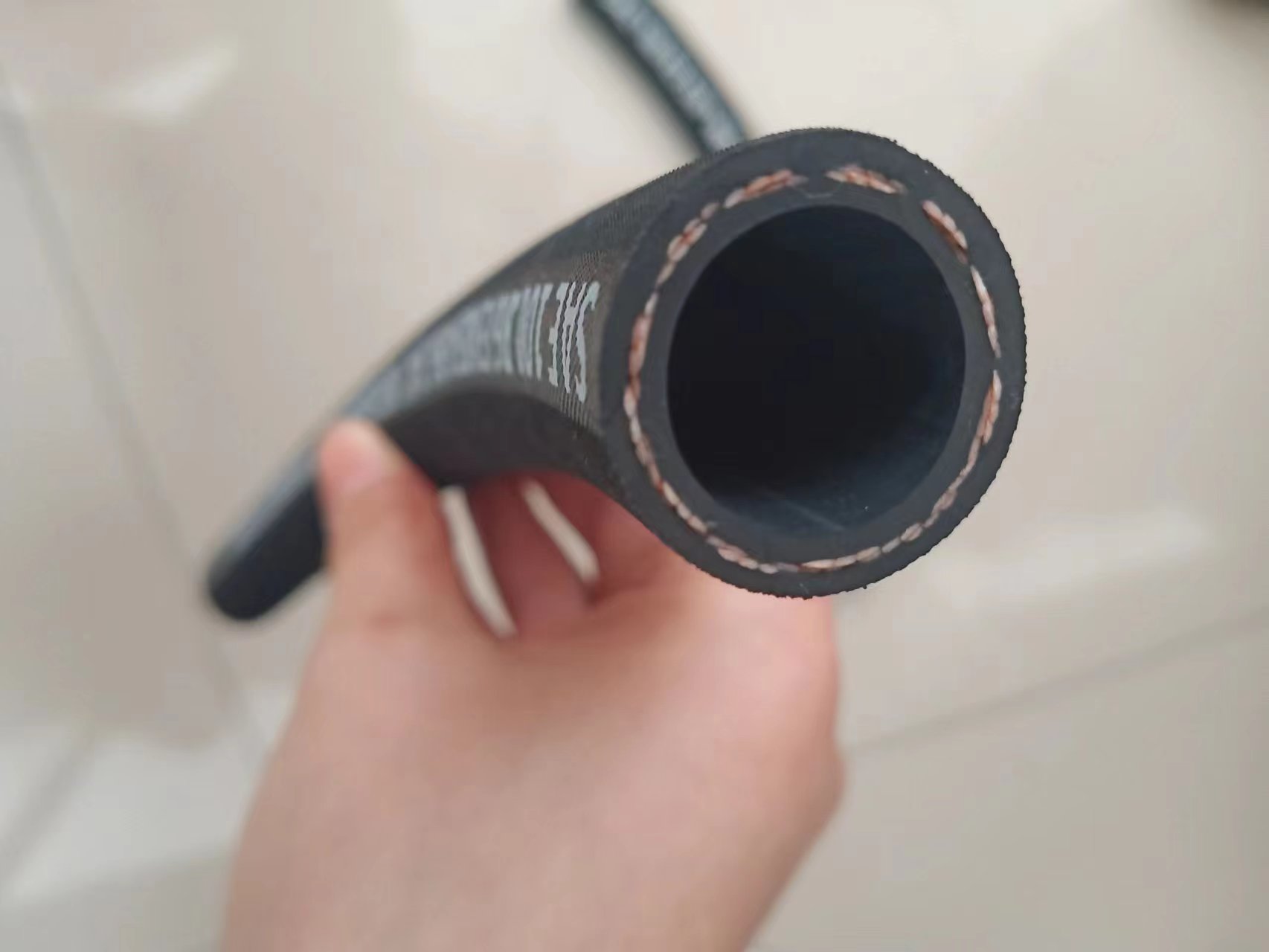
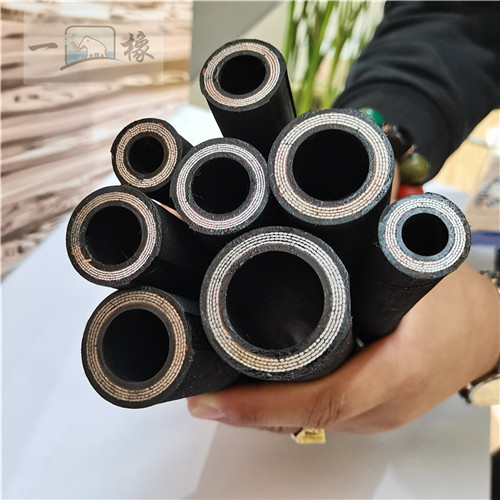
Manufacturing typically involves extrusion, where the rubber or thermoplastic compound is forced through a die to create a seamless tube. Reinforcement is critical for withstanding internal pressure. This is usually achieved through multiple layers of high-tensile strength textile braiding (typically polyester or nylon) embedded within the hose wall. The number and angle of braid plies directly influence the hose’s burst pressure. Post-extrusion, hoses undergo curing (vulcanization for rubber compounds) to enhance elasticity and strength. Quality control at this stage includes dimensional checks, pressure testing to identify defects, and material composition analysis. End fittings – typically consisting of brass, steel, or plastic – are attached using crimping or swaging processes, ensuring a leak-proof seal. Parameter control focuses on maintaining consistent wall thickness, precise braid angle, uniform curing time and temperature, and proper fitting attachment force. Variations in any of these parameters can compromise hose integrity.
Performance & Engineering
Performance of 8mm air hose is dictated by several key engineering considerations. Force analysis centers around burst pressure, defined as the maximum pressure the hose can withstand before failure, and working pressure, a significantly lower value representing the safe operating limit. These values are determined through hydrostatic testing conforming to industry standards. Flexibility, or bend radius, is crucial for ease of installation and maneuverability, impacted by material selection and wall thickness. Environmental resistance encompasses temperature tolerance (both high and low), UV exposure resistance (critical for outdoor applications), and resistance to ozone cracking. Compliance requirements vary by region and application, often necessitating adherence to standards such as REACH and RoHS, restricting the use of hazardous substances.
The hose’s ability to maintain dimensional stability under pressure is vital. Creep (permanent deformation under sustained load) is a potential failure mechanism that must be mitigated through proper material selection and reinforcement design. Fatigue life, the number of pressure cycles the hose can endure before failure, is also a critical parameter, especially in applications involving frequent pulsing. Furthermore, the hose must exhibit compatibility with the compressed air supply; moisture and contaminants can accelerate internal corrosion and reduce lifespan. Static electricity dissipation is also considered in applications where flammable materials are present.
Technical Specifications
| Parameter | Unit | Typical Value (NBR/Polyester Braid) | Typical Value (TPU/Polyester Braid) |
|---|---|---|---|
| Internal Diameter | mm | 8.0 ± 0.2 | 8.0 ± 0.2 |
| Working Pressure | bar | 10 | 12 |
| Burst Pressure | bar | 30 | 36 |
| Minimum Bend Radius | mm | 40 | 30 |
| Temperature Range | °C | -40 to +100 | -50 to +120 |
| Tensile Strength (Braid) | MPa | 2000 | 2200 |
Failure Mode & Maintenance
Common failure modes in 8mm air hose include: Fatigue Cracking – originating at points of high stress concentration (e.g., fitting interfaces) due to repeated pressure cycling. Abrasion – caused by rubbing against abrasive surfaces, leading to gradual material loss. Ozone Cracking – prevalent in rubber hoses exposed to outdoor environments, resulting in surface cracks and eventual rupture. Kink Failure – occurring when the hose is bent beyond its minimum bend radius, causing internal damage and potential collapse. Chemical Degradation – caused by exposure to incompatible fluids, leading to swelling, softening, or embrittlement. Fitting Failure – Often resulting from improper crimping, corrosion of the fitting material, or damage during handling.
Preventative maintenance involves regular visual inspections for cracks, abrasions, and leaks. Hoses should be replaced immediately if any signs of damage are detected. Avoid exceeding the working pressure or operating temperature limits. Store hoses in a cool, dry place away from direct sunlight and ozone sources. Properly support hoses to prevent kinking and abrasion. Periodically check fitting connections for tightness. For applications involving oil exposure, utilize hoses specifically designed for oil resistance (e.g., NBR or TPU). Regular cleaning with a mild detergent can remove contaminants that may accelerate degradation.
Industry FAQ
Q: What is the significance of the "braid angle" in air hose construction?
A: The braid angle directly influences the hose’s pressure-withstanding capability. A smaller braid angle provides greater resistance to longitudinal splitting under pressure, increasing burst pressure. However, a smaller angle also reduces the hose’s flexibility. Manufacturers optimize the braid angle based on the intended application requirements – balancing pressure resistance and flexibility.
Q: How does the choice of rubber compound affect the lifespan of the hose?
A: The rubber compound is paramount to lifespan. NBR offers excellent oil resistance but may degrade faster in UV exposure. EPDM provides superior weather resistance but lower oil resistance. TPU offers a balance of properties and excellent abrasion resistance. The specific chemical environment and operating conditions dictate the most appropriate compound selection.
Q: What safety certifications are typically required for air hoses used in industrial settings?
A: Depending on the region and application, common certifications include CE marking (European Union), UL listing (United States), and compliance with relevant OSHA regulations (United States). Specific applications might also require certifications related to food-grade materials or resistance to specific chemicals.
Q: What are the key differences between seamless and non-seamless air hoses?
A: Seamless hoses, extruded in a single process, generally offer higher burst pressures and are less prone to delamination than non-seamless hoses, which are spirally wound and glued. However, seamless hoses can be more expensive to manufacture.
Q: How should air hoses be inspected for potential failures before use?
A: Before each use, inspect the hose for cracks, abrasions, kinks, bulges, and leaks. Check the fittings for secure attachment and corrosion. Perform a visual inspection of the entire length of the hose, paying close attention to areas near fittings and bends. If any damage is detected, the hose should be removed from service immediately.
Conclusion
The selection and implementation of 8mm air hose within an industrial setting demand careful consideration of material properties, manufacturing processes, performance characteristics, and potential failure modes. OEMs play a crucial role in ensuring consistent quality and adherence to relevant industry standards. Understanding the trade-offs between different rubber compounds, reinforcement materials, and manufacturing techniques is essential for optimizing hose lifespan and ensuring safe operation.
Proactive maintenance practices, including regular inspections and prompt replacement of damaged hoses, are vital for preventing catastrophic failures and minimizing downtime. As industry trends evolve towards increased automation and more demanding operating environments, continued innovation in air hose technology—specifically in areas like enhanced chemical resistance, improved fatigue life, and lighter-weight designs—will be paramount to meeting the evolving needs of modern industrial applications.