
Apr . 01, 2024 17:55 Back to list
oem 6mm air hose suppliers Performance Analysis
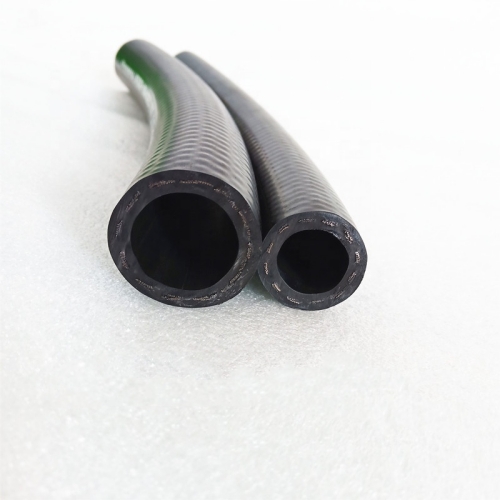
Introduction
OEM 6mm air hoses represent a critical component in pneumatic systems across diverse industrial applications. These hoses, typically manufactured to customer specifications, serve as flexible conduits for compressed air, powering tools, operating machinery, and facilitating automated processes. Their role extends beyond simple air transmission; they are integral to system efficiency, safety, and operational reliability. The industry chain begins with raw material suppliers (rubber polymers, reinforcing textiles, plasticizers), progresses through hose extrusion and assembly manufacturers (OEM suppliers), and culminates with end-users integrating the hoses into larger pneumatic systems. Core performance characteristics center around burst pressure, working pressure, flexibility, temperature resistance, and chemical compatibility. This guide provides a comprehensive technical overview of these hoses, covering material science, manufacturing processes, performance parameters, failure modes, and relevant industry standards.
Material Science & Manufacturing
The predominant material for 6mm air hoses is a rubber compound, most commonly based on synthetic rubbers such as Nitrile Butadiene Rubber (NBR), Styrene-Butadiene Rubber (SBR), or Polyvinyl Chloride (PVC). NBR offers superior resistance to oils and fuels, making it suitable for environments with potential lubricant contamination. SBR provides good abrasion resistance and lower cost, while PVC is often used for general-purpose applications requiring flexibility. Reinforcement is crucial to withstand internal pressure; common reinforcing materials include high-tensile strength textile braids (polyester or nylon) or spiraled steel wire. The manufacturing process typically involves extrusion, where the rubber compound is forced through a die to create a continuous tube. This is followed by the application of reinforcement layers, often through braiding or spiraling machines. Critical parameters during extrusion include temperature control (affecting viscosity and cure rate), die design (determining hose dimensions and wall thickness), and screw speed (influencing material throughput). Post-extrusion, the hose undergoes vulcanization – a chemical process involving heat and sulfur (or other curing agents) – to crosslink the rubber molecules, enhancing its strength, elasticity, and resistance to degradation. Quality control at this stage includes dimensional checks, pressure testing, and material hardness measurements (using a durometer). Plasticizers, such as phthalates or phosphate esters, are added to the rubber compound to enhance flexibility, but their long-term stability and potential leaching are critical considerations. Chemical compatibility of the plasticizer with the conveyed air and surrounding environment must be thoroughly assessed.

Performance & Engineering
Performance of 6mm air hoses is governed by several key engineering principles. Burst pressure, the maximum pressure the hose can withstand before rupture, is determined by the reinforcement material, wall thickness, and rubber compound strength. Working pressure, typically a fraction of the burst pressure (determined by a safety factor, often 4:1), represents the safe operating limit. Flexibility is vital for ease of installation and maneuvering; it is affected by the rubber compound's plasticizer content and the hose's overall diameter-to-wall-thickness ratio. Temperature resistance is critical, as extreme temperatures can degrade the rubber and reduce its flexibility. Testing involves subjecting hoses to elevated temperatures and monitoring for changes in pressure rating and physical properties. Chemical compatibility assesses the hose’s resistance to degradation when exposed to oils, solvents, and other chemicals present in the operating environment. Environmental resistance includes UV resistance (to prevent cracking and discoloration from sunlight exposure) and ozone resistance (to prevent cracking due to ozone attack). Compliance requirements often necessitate adherence to specific standards relating to flammability, toxicity, and electrical conductivity. Force analysis during operation considers bending stress, tensile stress, and impact resistance. Proper hose routing and support are essential to minimize stress concentrations and prevent premature failure.
Technical Specifications
| Parameter | Unit | NBR/Polyester Braid | PVC/Nylon Braid |
|---|---|---|---|
| Inner Diameter | mm | 6.0 ± 0.1 | 6.0 ± 0.1 |
| Outer Diameter | mm | 10.5 ± 0.2 | 9.5 ± 0.2 |
| Working Pressure | bar | 10 | 8 |
| Burst Pressure | bar | 40 | 32 |
| Temperature Range | °C | -40 to +100 | -20 to +60 |
| Tensile Strength | MPa | 15 | 12 |
Failure Mode & Maintenance
Common failure modes for 6mm air hoses include burst due to exceeding working pressure, cracking due to fatigue or environmental degradation, kinking due to excessive bending, and leakage at fittings. Fatigue cracking typically initiates at stress concentrations, such as near fittings or sharp bends, and propagates slowly over time. Environmental degradation, particularly UV and ozone exposure, causes rubber hardening and cracking. Kinking restricts airflow and can lead to hose rupture. Leakage at fittings is often caused by improper installation, damaged threads, or worn seals. Failure analysis involves visual inspection to identify crack initiation points, pressure testing to assess residual strength, and material analysis (e.g., Fourier Transform Infrared Spectroscopy - FTIR) to determine the extent of degradation. Preventive maintenance includes regular visual inspection for signs of wear, proper hose routing to avoid sharp bends and abrasion, ensuring correct fitting installation and torque, and periodic pressure testing. Hoses should be replaced immediately if any signs of damage are detected. Proper storage in a cool, dry, and dark environment can extend the hose’s service life. Avoid storing hoses near ozone sources or strong oxidizing agents.
Industry FAQ
Q: What is the impact of different reinforcement materials (polyester vs. nylon) on hose performance?
A: Polyester braids generally offer higher tensile strength and better resistance to stretching under load compared to nylon braids. Nylon provides better abrasion resistance and flexibility. The choice depends on the specific application; if high pressure and minimal stretch are paramount, polyester is preferred. If abrasion resistance and flexibility are more critical, nylon is a better choice.
Q: How does the chemical composition of the rubber compound affect its resistance to specific fluids?
A: Different rubber compounds exhibit varying resistance to different chemicals. NBR offers excellent resistance to oils and fuels, while EPDM provides superior resistance to water, steam, and weathering. PVC offers broad chemical resistance but can be susceptible to certain solvents. A detailed chemical compatibility chart should be consulted to ensure the hose material is compatible with the conveyed fluid and the surrounding environment.
Q: What is the significance of the safety factor when determining working pressure?
A: The safety factor (typically 4:1) is a crucial design parameter that accounts for uncertainties in manufacturing tolerances, operating conditions, and potential dynamic loads. It ensures the hose can withstand occasional pressure surges and maintain a safe operating margin, preventing catastrophic failure.
Q: How does temperature affect the working pressure of an air hose?
A: Generally, as temperature increases, the working pressure of a rubber hose decreases. Higher temperatures soften the rubber, reducing its ability to withstand internal pressure. Manufacturers typically provide derating curves that specify the allowable working pressure at different temperatures.
Q: What are the common causes of premature hose failure at the fitting connection?
A: Premature failure at the fitting connection is often caused by improper installation (over-tightening or under-tightening), damaged threads, mismatched fittings, or the use of incompatible sealing materials. Using the correct torque specifications, ensuring clean and undamaged threads, and selecting compatible sealing materials are crucial for preventing leaks and failures.
Conclusion
The selection and application of OEM 6mm air hoses require a thorough understanding of material science, manufacturing processes, and performance parameters. NBR and PVC-based hoses with appropriate reinforcement layers remain the industry standard, offering a balance of cost, flexibility, and durability. Proper maintenance, including regular inspection, correct installation, and adherence to recommended operating conditions, is crucial for maximizing hose service life and ensuring operational safety.
Looking forward, advancements in rubber compounding technology and reinforcement materials will likely lead to hoses with improved performance characteristics, such as enhanced temperature resistance, chemical compatibility, and burst pressure. Furthermore, the increasing focus on sustainability will drive the development of eco-friendly rubber compounds and manufacturing processes. A proactive approach to hose management, incorporating predictive maintenance strategies and continuous monitoring of hose condition, will be essential for optimizing system reliability and minimizing downtime.