
Apr . 01, 2024 17:55 Back to list
oem 6mm air hose supplier Performance Analysis
Introduction
OEM 6mm air hose represents a critical component in pneumatic systems across a diverse range of industrial applications, including manufacturing, automotive repair, construction, and agricultural equipment. Its technical position lies as a fluid transfer element, specifically designed to deliver compressed air efficiently and reliably. This guide provides an in-depth analysis of 6mm internal diameter air hoses, covering material science, manufacturing processes, performance characteristics, potential failure modes, and relevant industry standards. Core performance aspects center around burst pressure, working pressure, flexibility, temperature resistance, and resistance to oil and abrasion. A key industry pain point is maintaining consistent internal diameter and wall thickness to ensure predictable flow rates and prevent system inefficiencies or catastrophic failures. Another significant challenge is achieving chemical compatibility with diverse industrial fluids and lubricants, preventing material degradation and leakage. Finally, ensuring the hose meets stringent safety regulations and international standards is paramount.
Material Science & Manufacturing
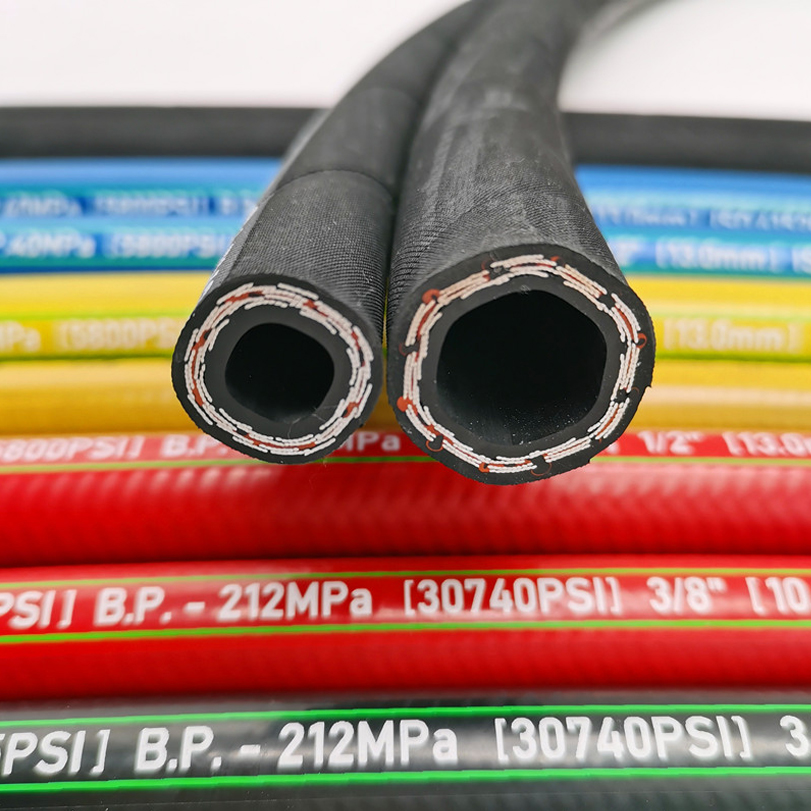
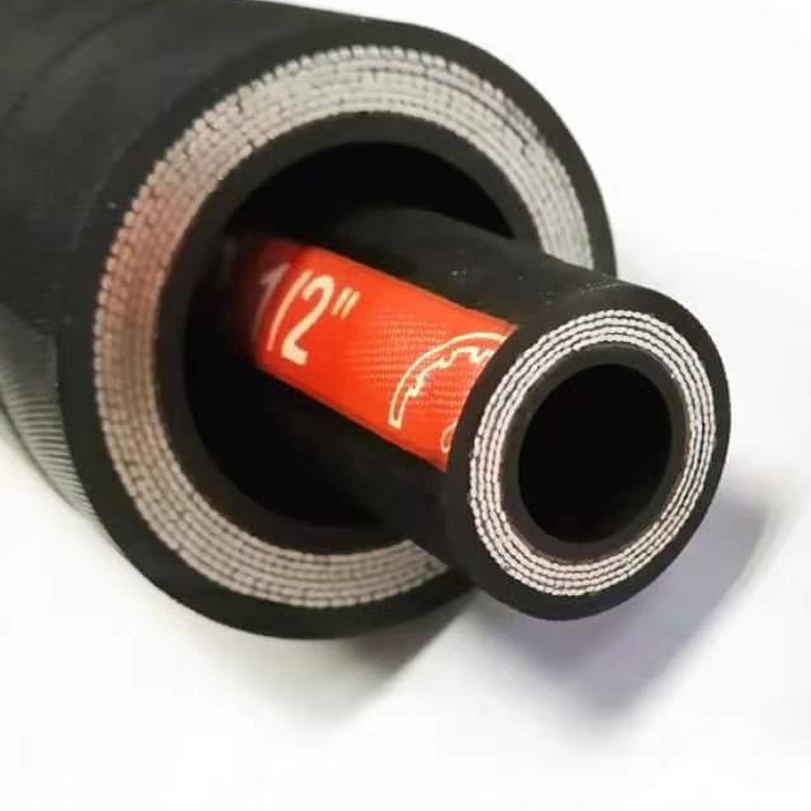
The predominant material for 6mm air hose is typically a synthetic rubber compound, most commonly a blend of Polyvinyl Chloride (PVC) or a thermoplastic polyurethane (TPU) reinforced with textile or steel braiding. PVC offers excellent abrasion resistance and cost-effectiveness, while TPU provides superior flexibility and chemical resistance. The reinforcing braid (often polyester or nylon for textile, or high-tensile steel wire for heavy-duty applications) provides the necessary tensile strength to withstand high pressures. The raw materials' physical properties are critical: PVC's hardness (measured by the Shore A scale) affects flexibility, while TPU's elongation at break dictates its resistance to tearing. Manufacturing processes commonly involve extrusion. The rubber compound is heated and forced through a die with the desired internal diameter (6mm) and wall thickness. This is followed by braiding or spiraling the reinforcement material around the extruded tube. Key parameters during extrusion include die temperature, screw speed, and cooling rate, all influencing the final hose dimensions and material consistency. Following braiding, an outer protective layer is often applied via extrusion. Quality control at each stage – raw material inspection, extrusion monitoring, and final dimensional checks – is essential. Chemical compatibility of the rubber compound with compressed air additives (e.g., oil, water) is also verified through immersion testing. The curing process for the rubber compounds, involving specific time and temperature profiles, dramatically affects the finished product’s elasticity and overall durability.
Performance & Engineering
The performance of a 6mm air hose is governed by several key engineering principles. Burst pressure, a critical safety parameter, is determined by the tensile strength of the reinforcement material and the rubber compound. It’s calculated using Barlow's formula (P = 2St/D, where P is pressure, S is tensile strength, t is wall thickness, and D is diameter). Working pressure is significantly lower than burst pressure, typically 1/4 to 1/3 of the burst pressure, providing a safety margin. Flexibility is influenced by the rubber compound's elasticity and the hose's bending radius. A tighter bending radius increases stress on the hose wall. Environmental resistance, particularly temperature resistance, is vital. PVC hoses typically perform well between -10°C to +60°C, while TPU hoses can withstand a wider range (-40°C to +80°C). Oil resistance is critical in many applications; specialized rubber compounds with nitrile or neoprene content are employed to prevent swelling and degradation when exposed to oil-based lubricants. Compliance with standards like SAE J30R3 (for general-purpose air hoses) and ISO 4413 (for hydraulic hoses – relevant as a benchmark for pressure performance) dictates testing procedures for burst pressure, pressure drop, and temperature resistance. Force analysis of the hose under pressure considers hoop stress (stress in the circumferential direction) and longitudinal stress (stress along the hose length), informing the design of the reinforcement layers.
Technical Specifications
| Parameter | Unit | PVC Hose (Standard Grade) | TPU Hose (High Flexibility) |
|---|---|---|---|
| Internal Diameter | mm | 6 ± 0.1 | 6 ± 0.1 |
| Working Pressure | bar | 8 | 10 |
| Burst Pressure | bar | 24 | 30 |
| Tensile Strength (Reinforcement) | MPa | 1500 | 2000 |
| Temperature Range | °C | -10 to +60 | -40 to +80 |
| Minimum Bending Radius | mm | 38 | 25 |
Failure Mode & Maintenance
Common failure modes in 6mm air hoses include fatigue cracking (caused by repeated flexing), pinhole leaks (due to abrasion or chemical attack), and catastrophic burst failure (exceeding the working pressure). Fatigue cracking typically initiates at points of high stress concentration, such as near fittings or areas of localized damage. Pinholes often occur in PVC hoses exposed to abrasive materials or aggressive chemicals. Burst failure is usually a result of exceeding the maximum working pressure or a pre-existing weakness in the hose wall. Oxidation of the rubber compound, particularly in TPU hoses exposed to UV radiation, can lead to embrittlement and cracking. Delamination of the rubber layers from the reinforcement braid can occur due to inadequate bonding during manufacturing or prolonged exposure to high temperatures. Maintenance includes regular visual inspection for cracks, abrasions, and leaks. Hoses should be replaced immediately if any damage is detected. Avoid exposing hoses to extreme temperatures or harsh chemicals. Store hoses in a cool, dry place away from direct sunlight. Proper fitting installation is crucial to prevent stress concentrations and leaks; avoid over-tightening fittings. Periodic pressure testing can identify potential weaknesses before they lead to failure.
Industry FAQ
Q: What is the impact of hose length on pressure drop?
A: Pressure drop increases proportionally with hose length and inversely with hose diameter. Longer hoses offer greater resistance to airflow, reducing the available pressure at the tool or application. Using the shortest practical hose length and maintaining a consistent 6mm internal diameter minimizes pressure loss.
Q: How does the choice of reinforcement material affect hose life?
A: Steel wire braiding provides superior tensile strength and burst resistance but is heavier and less flexible than textile braiding. Textile braiding offers good flexibility and is more cost-effective but has a lower burst pressure rating. The optimal choice depends on the application’s pressure requirements and flexibility needs.
Q: Can I use a PVC hose with oil-based lubricants?
A: Standard PVC hoses are not suitable for prolonged exposure to oil-based lubricants, as the oil can cause swelling and degradation of the PVC. Specialized PVC compounds or TPU hoses with nitrile or neoprene content offer better oil resistance.
Q: What is the significance of the "working pressure" rating?
A: The working pressure rating indicates the maximum pressure the hose can safely handle during continuous operation. Exceeding the working pressure significantly increases the risk of burst failure and potential injury. Always operate within the specified pressure limits.
Q: How do I determine the appropriate hose diameter for my application?
A: Hose diameter selection depends on the air consumption of the tools or devices being powered and the desired flow rate. Using a diameter that is too small will result in excessive pressure drop and reduced performance, while a diameter that is too large may be unnecessarily expensive. Consult flow rate charts and engineering guidelines for specific applications.
Conclusion
OEM 6mm air hose selection demands a thorough understanding of material science, manufacturing processes, and performance characteristics. The choice between PVC and TPU hinges on balancing cost-effectiveness with requirements for flexibility, temperature resistance, and chemical compatibility. Ensuring adherence to relevant industry standards, such as SAE J30R3, is non-negotiable for safety and reliability.
Proactive maintenance, including regular visual inspections and timely replacement of damaged hoses, is crucial for preventing catastrophic failures and maximizing operational efficiency. Continued advancements in rubber compounding and reinforcement technologies will likely lead to the development of air hoses with even higher performance capabilities and extended service lives.