
Apr . 01, 2024 17:55 Back to list
oem 6mm air hose factory Performance Analysis
Introduction
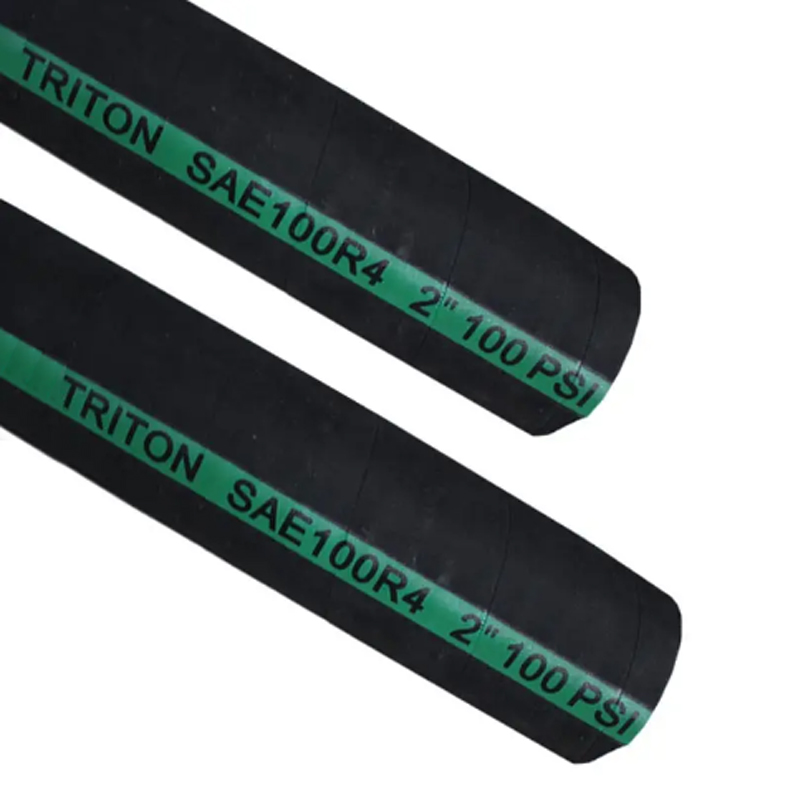
OEM 6mm air hose represents a critical component within pneumatic systems across diverse industrial applications, ranging from automated manufacturing and construction to automotive maintenance and laboratory equipment. Positioned within the supply chain as a semi-finished good, its performance directly impacts the efficiency, reliability, and safety of the final assembly. This technical guide provides an in-depth exploration of the materials, manufacturing processes, performance characteristics, potential failure modes, and relevant industry standards pertaining to 6mm internal diameter air hoses produced under OEM specifications. The core performance characteristics of these hoses – including pressure rating, flexibility, temperature resistance, and chemical compatibility – are paramount considerations for engineers and procurement professionals. Understanding these attributes is essential for selecting a hose that optimally integrates with existing pneumatic infrastructure and minimizes operational downtime.
Material Science & Manufacturing
The predominant material for 6mm air hose construction is Polyvinyl Chloride (PVC) compounded with plasticizers to enhance flexibility. PVC’s selection stems from its cost-effectiveness, durability, and resistance to abrasion. However, higher-performance applications often utilize thermoplastic polyurethane (TPU) or rubber (typically nitrile butadiene rubber – NBR) offering superior oil resistance, flexibility at low temperatures, and higher pressure capabilities. Reinforcement layers, typically braided polyester or nylon, are embedded within the PVC or rubber matrix to enhance burst pressure and prevent kinking. The manufacturing process generally involves extrusion, where the compounded material is forced through a die to create a continuous tube. This is followed by braiding or spiraling of the reinforcement layer. Finally, the hose is often subjected to surface treatments, such as a matte finish for improved grip or a coating for UV resistance. Critical process parameters include extrusion temperature, screw speed, braiding tension, and curing time (for rubber hoses). Maintaining precise control over these parameters is essential to ensure consistent wall thickness, reinforcement distribution, and material properties. Compounding formulations are proprietary to each manufacturer, influencing factors such as hardness (Shore A durometer), elongation at break, and resistance to specific chemicals. Chemical compatibility testing, utilizing standardized solvents and fluids, is vital to validate the material’s suitability for the intended application environment. The degree of plasticizer migration in PVC hoses is a key consideration, as it impacts long-term flexibility and can lead to material hardening.
Performance & Engineering
The performance of a 6mm air hose is governed by several key engineering principles. Burst pressure, typically measured in PSI or Bar, is determined by the hose's material strength and reinforcement structure. A safety factor, usually 4:1, is applied to the working pressure to account for dynamic loads and fluctuations. Flexibility is critical for ease of use and installation, quantified by the bend radius – the minimum radius to which the hose can be bent without kinking. Tensile strength, measured according to ASTM D412, indicates the hose’s resistance to tearing or stretching under load. Environmental resistance is paramount, particularly in outdoor or harsh industrial environments. Exposure to UV radiation can cause PVC degradation, leading to brittleness. Ozone cracking is a concern for rubber hoses. Temperature range dictates the operating limits of the hose; exceeding these limits can result in material failure. Chemical compatibility is assessed by exposing the hose to various fluids commonly encountered in the application environment. Compliance requirements, such as REACH and RoHS, restrict the use of certain hazardous substances in the hose's composition. Force analysis during pneumatic operation must consider pressure pulsations and impact loads, requiring appropriate hose selection and installation practices. Fatigue resistance, tested through cyclic pressure testing, is a key indicator of long-term durability. Proper hose routing and support are essential to prevent abrasion and stress concentration.
Technical Specifications
| Parameter | Units | PVC Hose (Standard Grade) | TPU Hose (High Performance) |
|---|---|---|---|
| Internal Diameter | mm | 6.0 ± 0.2 | 6.0 ± 0.15 |
| Working Pressure | Bar | 10 | 20 |
| Burst Pressure | Bar | 30 | 60 |
| Tensile Strength | MPa | 14 | 25 |
| Elongation at Break | % | 300 | 400 |
| Temperature Range | °C | -15 to +60 | -40 to +80 |
Failure Mode & Maintenance
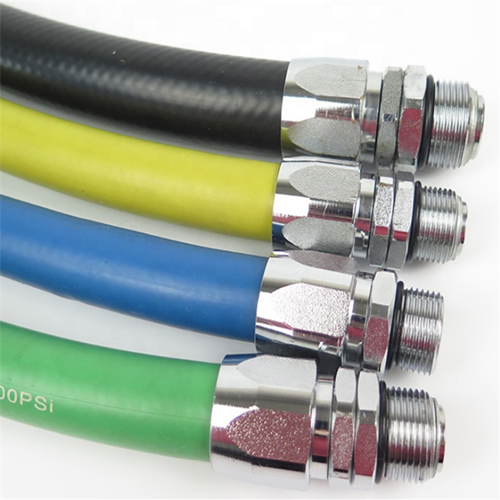
Common failure modes for 6mm air hoses include: burst failure due to exceeding the working pressure; kinking leading to flow restriction and potential damage; cracking from UV exposure or ozone attack; abrasion from contact with sharp objects; and chemical degradation from incompatible fluids. Fatigue cracking can occur from repeated pressure cycling, especially near fittings. Delamination, where the reinforcement layer separates from the hose matrix, significantly reduces burst pressure. Oxidation of rubber compounds leads to hardening and cracking. Maintenance practices to mitigate these failures include: regular visual inspection for cracks, abrasions, and kinks; pressure testing to verify hose integrity; proper hose routing to avoid sharp bends and contact with abrasive surfaces; storage in a cool, dry place away from direct sunlight; and periodic replacement based on service life and operating conditions. Proper fitting installation, utilizing compatible fittings and correct crimping techniques, is crucial to prevent leakage and premature failure. Leak testing with a soap solution can identify small leaks. When replacing a hose, ensure the new hose meets or exceeds the original specifications and is suitable for the intended application. Avoid using damaged or repaired hoses, as they pose a significant safety risk.
Industry FAQ
Q: What is the impact of plasticizer migration in PVC hoses over time?
A: Plasticizer migration leads to a gradual hardening and loss of flexibility in PVC hoses. This reduces their ability to withstand bending and vibration, increasing the risk of cracking and failure. The rate of migration is influenced by temperature, exposure to chemicals, and the type of plasticizer used. Selecting a PVC compound with a lower migration rate or opting for a TPU hose can mitigate this issue.
Q: How do I determine the correct working pressure for a specific application?
A: The working pressure should be significantly lower than the hose’s burst pressure, typically with a 4:1 safety factor. Consider the maximum pressure generated by the pneumatic system, as well as any potential pressure spikes or surges. Also account for dynamic loads and vibrations. Consulting the hose manufacturer’s specifications and engineering guidelines is crucial.
Q: What are the advantages of TPU hoses over traditional PVC hoses?
A: TPU hoses offer superior oil resistance, abrasion resistance, flexibility at low temperatures, and higher pressure capabilities compared to PVC hoses. They are also more resistant to kinking and fatigue cracking. While generally more expensive, TPU hoses provide a longer service life and improved performance in demanding applications.
Q: How important is proper fitting selection and installation?
A: Proper fitting selection and installation are critical for ensuring a leak-free and reliable connection. Using incompatible fittings or incorrect crimping techniques can significantly reduce the hose’s burst pressure and lead to premature failure. Fittings should be made of materials compatible with the hose and the fluids being conveyed.
Q: What are the key considerations for storing air hoses to maximize their lifespan?
A: Air hoses should be stored in a cool, dry, and well-ventilated area, away from direct sunlight, ozone sources (such as electric motors), and extreme temperatures. Coiling the hose loosely and avoiding sharp bends will prevent kinking and maintain its flexibility. Avoid storing hoses in contact with incompatible chemicals.
Conclusion
The selection and implementation of 6mm air hoses demand a nuanced understanding of material science, manufacturing processes, and performance engineering principles. PVC remains a cost-effective solution for general-purpose applications, while TPU offers enhanced durability and resistance for demanding environments. Prioritizing proper installation, regular inspection, and adherence to relevant industry standards are paramount to ensure long-term reliability and operational safety.
Looking forward, advancements in polymer technology are likely to yield even more durable and versatile air hose materials, further optimizing pneumatic system performance. Increased emphasis on sustainable manufacturing practices and the use of environmentally friendly materials will also shape the future of this critical component. Careful consideration of these factors will enable engineers and procurement professionals to select and utilize 6mm air hoses effectively, minimizing downtime and maximizing efficiency.