
Apr . 01, 2024 17:55 Back to list
oem 5/8 hydraulic hose factory Performance Analysis
Introduction
OEM 5/8 inch hydraulic hoses represent a critical component in fluid power systems across a broad spectrum of industries, including construction, agriculture, manufacturing, and automotive. These hoses are specifically designed for the transmission of hydraulic fluid under high pressure, enabling the operation of hydraulic machinery. The ‘5/8’ designation refers to the inner diameter of the hose, a key parameter influencing flow rate and pressure capacity. As an OEM (Original Equipment Manufacturer) product, these hoses are frequently integrated directly into larger systems by equipment manufacturers, demanding stringent quality control and adherence to industry standards. Their performance is dictated by a complex interplay of material selection, manufacturing processes, and operational parameters, ultimately impacting the reliability and safety of the entire hydraulic system. The inherent challenge lies in balancing flexibility, burst pressure, temperature resistance, and fluid compatibility, all while maintaining cost-effectiveness for large-scale production runs. This guide provides a comprehensive technical overview of OEM 5/8 hydraulic hoses, covering material science, manufacturing, performance characteristics, failure modes, and relevant industry standards.
Material Science & Manufacturing
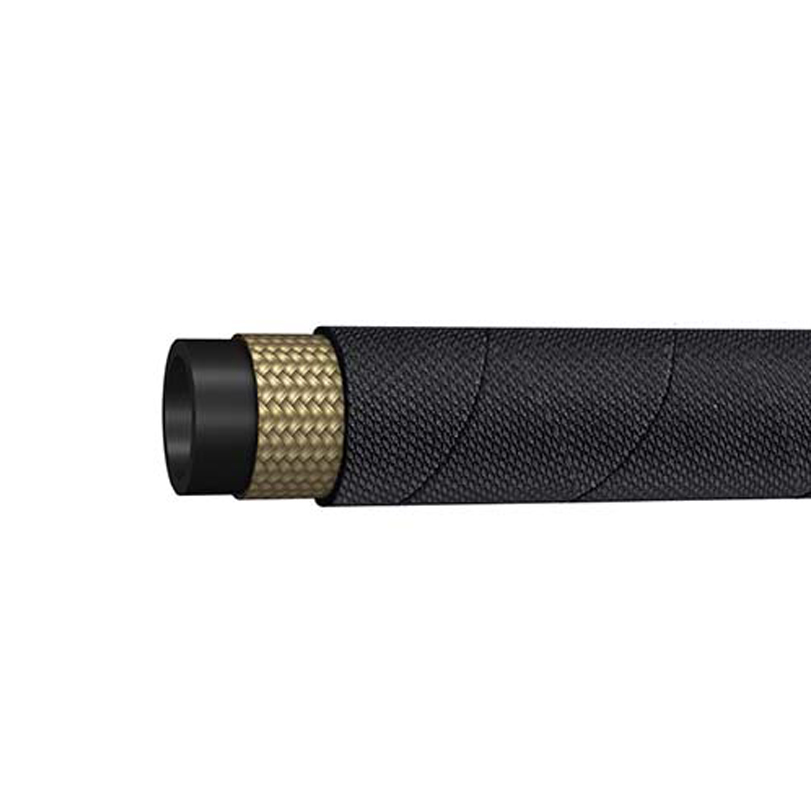
The core construction of an OEM 5/8 hydraulic hose comprises several key layers, each contributing to its overall performance. The innermost layer, the tube, is typically manufactured from a specialized synthetic rubber compound, most commonly nitrile rubber (NBR) due to its excellent resistance to petroleum-based hydraulic fluids. Alternative materials like ethylene propylene diene monomer (EPDM) are used for phosphate ester fluids, offering superior compatibility. The reinforcement layer is crucial for withstanding high internal pressures and preventing hose rupture. This layer typically consists of multiple plies of high-tensile steel wire, often spirally wound or braided, providing axial strength. The number and configuration of these plies directly correlate with the hose’s working pressure rating. Between the tube and reinforcement, an adhesive bond layer ensures secure adhesion and prevents separation under pressure. Finally, the outer cover provides environmental protection against abrasion, ozone, UV radiation, and oil contamination. Common cover materials include synthetic rubbers like chloroprene (neoprene) or polyurethane. Manufacturing processes begin with extrusion of the inner tube and outer cover. The reinforcement layer is then applied, often through a winding or braiding machine. Precise control of winding tension and ply overlap is critical for consistent performance. Following reinforcement, the layers are vulcanized – a chemical process using heat and pressure to cross-link the rubber compounds, enhancing their strength, elasticity, and resistance to degradation. Post-vulcanization, hoses undergo rigorous quality control checks, including pressure testing, dimensional inspection, and visual defect analysis.
Performance & Engineering
The performance of a 5/8 hydraulic hose is governed by several critical engineering parameters. Burst pressure, the maximum pressure the hose can withstand before rupture, is a primary specification, typically exceeding the working pressure by a safety factor of 4:1 or greater. Working pressure is defined as the maximum continuous operating pressure under normal conditions. Tensile strength, a measure of the hose's resistance to longitudinal stress, is vital for preventing failure during bending and flexing. Fatigue resistance, quantified by the number of pressure cycles the hose can endure before failure, is particularly important in applications involving frequent pulsations. Temperature range is a crucial consideration; hydraulic fluids and hose materials exhibit varying performance characteristics across different temperatures. Hose flexibility, or bend radius, impacts ease of installation and reduces stress concentrations during operation. Furthermore, fluid compatibility is paramount; incompatible fluids can cause swelling, softening, or degradation of the hose materials, leading to premature failure. Force analysis during hose routing must account for bending moments, axial loads, and potential interference with surrounding components. Compliance with industry standards like SAE J517 (hydraulic hose specification) and ISO 6899 (hydraulic hose assemblies) is essential for ensuring product safety and reliability. Finite Element Analysis (FEA) is often employed during the design phase to optimize hose geometry and reinforcement configuration for specific operating conditions. Considerations for environmental resistance include resistance to ozone cracking, UV degradation, and chemical attack from external contaminants.
Technical Specifications
| Parameter | Unit | Typical Value (NBR/Steel Wire) | Typical Value (EPDM/Steel Wire) |
|---|---|---|---|
| Inner Diameter | inch | 0.625 | 0.625 |
| Working Pressure | psi | 3000 | 2500 |
| Burst Pressure | psi | 12000 | 10000 |
| Temperature Range | °F | -40 to 212 | -40 to 250 |
| Reinforcement Type | - | Spiral Wire | Spiral Wire |
| Cover Material | - | Chloroprene | Chloroprene |
| Minimum Bend Radius | inch | 6 | 6 |
Failure Mode & Maintenance
Hydraulic hose failures typically stem from a variety of mechanisms. Fatigue cracking, induced by repeated bending and pressure cycling, is a common failure mode, particularly in applications with tight bend radii or frequent pulsations. Abrasion damage, caused by contact with abrasive surfaces, can compromise the outer cover, exposing the reinforcement layer to corrosion. Pinholes, resulting from external punctures or internal corrosion, lead to fluid leakage and reduced system efficiency. Hose twist, occurring during installation or operation, introduces torsional stress, accelerating fatigue and potentially causing hose kinking. Overpressure events, exceeding the hose’s working pressure, can lead to immediate rupture. Internal corrosion, triggered by moisture or contaminants within the hydraulic fluid, weakens the inner tube and reinforcement. External oxidation and UV degradation can embrittle the outer cover, reducing its protective capabilities. Maintenance procedures should include regular visual inspections for signs of abrasion, cracking, bulging, or leakage. Hose assemblies should be replaced periodically, even in the absence of visible defects, based on manufacturer recommendations and operating conditions. Proper hose routing, avoiding sharp bends and contact with hot surfaces, is crucial. Ensure compatible fittings are used, correctly crimped to prevent leakage. Regular fluid analysis helps identify and mitigate contamination issues. Implement a preventative maintenance schedule to proactively address potential failure points.
Industry FAQ
Q: What is the impact of hydraulic fluid type on hose selection?
A: The type of hydraulic fluid dictates the inner tube material. NBR is suitable for most petroleum-based fluids, while EPDM is essential for phosphate ester fluids. Using an incompatible fluid can cause the inner tube to swell, soften, or degrade, leading to premature failure and potential system contamination.
Q: How does hose reinforcement type (braided vs. spiral) affect performance?
A: Spiral reinforcement generally provides higher pressure capacity and improved flexibility compared to braided reinforcement. Braided hoses are often more cost-effective for lower-pressure applications. The specific application requirements determine the optimal reinforcement configuration.
Q: What is the significance of the hose’s bend radius?
A: Maintaining the specified minimum bend radius minimizes stress concentration and prevents kinking, extending hose life. Exceeding the bend radius can lead to fatigue cracking and premature failure. Proper hose routing is critical.
Q: How can I identify potential hose failure before it occurs?
A: Regular visual inspections are key. Look for signs of abrasion, cracking, bulging, leakage, or discoloration. Monitor system pressure and temperature. Consider implementing routine fluid analysis to detect contamination or degradation. Any anomalies warrant immediate investigation and potential hose replacement.
Q: What are the common causes of hose fitting failure?
A: Improper crimping, corrosion, and material incompatibility between the fitting and hose are common causes. Ensuring the correct fitting is used and properly crimped during assembly is crucial. Using corrosion-resistant fittings in harsh environments is also recommended.
Conclusion
The selection, implementation, and maintenance of OEM 5/8 hydraulic hoses require a thorough understanding of material science, engineering principles, and industry standards. These hoses are not merely conduits for fluid transmission, but integral components contributing to the safety, reliability, and efficiency of complex hydraulic systems. Careful consideration of operating conditions, fluid compatibility, and potential failure modes is paramount.
Continued advancements in materials and manufacturing processes are driving improvements in hose performance, durability, and environmental resistance. Future trends include the development of lightweight hose materials, smart hoses with integrated sensors for real-time monitoring, and enhanced diagnostic capabilities. By adhering to best practices and staying abreast of these advancements, engineers and procurement professionals can ensure optimal performance and minimize the risk of costly downtime.