
Apr . 01, 2024 17:55 Back to list
oem 19mm hydraulic hose suppliers Performance Analysis
Introduction
OEM 19mm hydraulic hoses represent a critical component in fluid power systems across numerous industries, including construction, agriculture, manufacturing, and material handling. These hoses are specifically engineered for the transmission of hydraulic fluid under significant pressure, enabling the operation of hydraulic machinery. Their 19mm inner diameter (ID) denotes a standard size offering a balance between flow capacity and flexibility. The 'OEM' designation indicates these hoses are frequently manufactured to the precise specifications of equipment manufacturers, prioritizing compatibility and performance within a specific system. Core performance characteristics include pressure rating, temperature resistance, fluid compatibility, and resistance to abrasion and kinking. A key industry pain point revolves around maintaining consistent quality control during high-volume OEM production, ensuring each hose meets stringent safety and performance criteria to prevent costly system failures and downtime. Further complications arise from increasing demands for environmentally resistant hoses utilizing specialized polymers to withstand harsh operating conditions and extended service life. The evolution towards smaller, more efficient hydraulic systems also dictates the need for hoses with tighter bend radii and improved flexibility without compromising structural integrity.
Material Science & Manufacturing
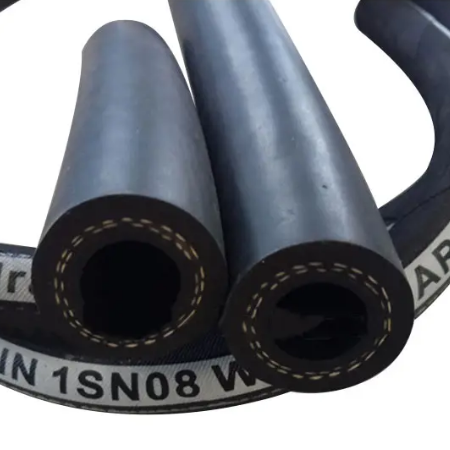
The construction of a 19mm hydraulic hose relies on several key material components. The inner tube is typically composed of synthetic rubber compounds, most commonly nitrile rubber (NBR) due to its excellent resistance to petroleum-based hydraulic fluids. Alternatives include ethylene propylene diene monomer (EPDM) for phosphate ester fluids and fluorocarbon rubber (FKM/Viton) for high-temperature and aggressive chemical environments. Reinforcement layers are crucial for withstanding high pressures. These commonly utilize multiple plies of high-tensile steel wire, spirally wound or braided. The number of layers directly correlates to the hose’s maximum working pressure. A protective outer cover, often employing chlorinated polyethylene (CPE) or polyurethane, provides abrasion, ozone, and weather resistance.
Manufacturing processes begin with the extrusion of the inner tube to the specified 19mm ID and wall thickness. The reinforcement layers are then applied, typically through a winding or braiding process. Precise tension control during reinforcement application is critical to ensure uniform pressure resistance. The outer cover is subsequently extruded over the reinforcement. Quality control throughout these processes involves rigorous dimensional checks, pressure testing (hydrostatic testing to 1.5 times working pressure), and material analysis (hardness, tensile strength, elongation). Critical parameters include extrusion temperature, cooling rate, wire tension, and vulcanization time. Vulcanization, a chemical process involving sulfur or peroxide, crosslinks the rubber molecules, enhancing strength, elasticity, and resistance to degradation. Post-production, hoses are inspected for defects and may undergo specialized treatments like anti-static coating or fire-retardant additives, depending on the application.
Performance & Engineering
The performance of a 19mm hydraulic hose is fundamentally governed by its ability to safely transmit fluid pressure without failure. Force analysis considers hoop stress within the hose wall, calculated using the Barlow's formula (P = 2tS/D, where P is pressure, t is wall thickness, S is tensile strength, and D is diameter). This dictates the required reinforcement layer count and material selection to meet specified working pressures and safety factors. Environmental resistance is paramount. Exposure to extreme temperatures (both high and low) can alter the rubber compounds' elasticity and strength, leading to cracking or embrittlement. Ozone degradation, caused by atmospheric ozone, attacks unsaturated bonds in the rubber, causing surface cracking. UV exposure similarly degrades the outer cover. Fluid compatibility is equally critical. Incompatible fluids can cause swelling, softening, or chemical attack of the inner tube, leading to leaks and hose failure.
Compliance requirements vary by region and application. SAE J517 (USA) and EN 853/857 (Europe) define standards for pressure ratings, construction, and testing procedures. ISO 3862 specifies dimensions and tolerances. For specialized applications, such as mining or offshore oil, additional standards may apply, related to flame resistance, electrical conductivity, or corrosion protection. Functional implementation demands consideration of bend radius to prevent kinking, hose length to avoid excessive stress during movement, and proper fitting selection to ensure leak-free connections. Dynamic applications (e.g., hoses on hydraulic cylinders) necessitate consideration of fatigue life and vibration resistance.
Technical Specifications
| Parameter | Unit | Typical Value (NBR/Steel Wire/CPE) | Alternative Value (FKM/Stainless Steel/PU) |
|---|---|---|---|
| Inner Diameter | mm | 19 ± 0.2 | 19 ± 0.2 |
| Working Pressure | MPa | 20 | 30 |
| Burst Pressure | MPa | 60 | 90 |
| Temperature Range | °C | -40 to +100 | -20 to +150 |
| Reinforcement Layers | Number | 4 Spiral | 6 Spiral |
| Outer Cover Material | - | CPE | PU |
Failure Mode & Maintenance
Common failure modes for 19mm hydraulic hoses include burst failure due to exceeding the working pressure, pinhole leaks caused by abrasion or chemical attack, and cracking resulting from ozone degradation or fatigue. Fatigue cracking often initiates at the fitting crimp, stemming from cyclic bending and vibration. Delamination, the separation of reinforcement layers, weakens the hose and can lead to catastrophic failure. Oxidation of the rubber compounds, particularly at elevated temperatures, causes hardening and loss of elasticity. Kinking, caused by exceeding the minimum bend radius, creates localized stress and can lead to cracking.
Preventative maintenance is crucial. Regular visual inspections should be conducted to identify signs of abrasion, cracking, bulging, or leaks. Hoses should be replaced if any damage is observed. Proper routing and support are essential to prevent kinking and abrasion. Fittings should be inspected for corrosion and proper crimping. Hydraulic fluid should be maintained at the correct level and cleanliness, as contamination can accelerate wear and damage. Avoid exceeding the hose's temperature and pressure ratings. When storing hoses, protect them from sunlight, ozone, and extreme temperatures. Periodic pressure testing can identify weakened hoses before they fail, but should be conducted by qualified personnel. Proper handling during installation and removal prevents damage to the hose and fittings.
Industry FAQ
Q: What is the impact of hydraulic fluid type on hose selection for a 19mm hose?
A: The hydraulic fluid type is a critical factor. NBR is suitable for most petroleum-based fluids, but phosphate ester fluids require EPDM, and aggressive fluids like synthetic esters or those with fire-resistant additives often necessitate FKM (Viton). Using an incompatible fluid will cause the inner tube to swell, soften, or degrade, leading to leaks and premature failure.
Q: How does the number of reinforcement layers affect the hose’s lifespan and cost?
A: Increasing the number of reinforcement layers directly increases the hose's working and burst pressure ratings. This translates to a longer service life in high-pressure applications, but also increases the material cost and hose stiffness. The optimal number of layers is a trade-off between performance requirements, cost considerations, and desired flexibility.
Q: What are the key differences between spiral and braided reinforcement in 19mm hydraulic hoses?
A: Spiral reinforcement offers greater flexibility and resistance to kinking, making it suitable for dynamic applications. Braided reinforcement provides higher pressure ratings and is typically more cost-effective. The choice depends on the specific application’s pressure and movement requirements.
Q: How do I determine the correct fitting type and crimp specification for a 19mm hydraulic hose?
A: The fitting type (e.g., SAE J1926, DIN 2353) must be compatible with the hose end fitting style. The crimp specification (crimp diameter and depth) is critical for a leak-free seal. Consult the hose manufacturer's specifications and use a calibrated crimping tool to ensure proper crimping. Improper crimping can lead to premature failure.
Q: What role does the outer cover material play in the overall performance of the hose?
A: The outer cover protects the reinforcement layers from abrasion, ozone, UV radiation, and other environmental factors. CPE offers good all-around protection, while polyurethane (PU) provides superior abrasion resistance. The cover material must be compatible with the operating environment and resist degradation to maintain the hose's structural integrity.
Conclusion
The selection and implementation of OEM 19mm hydraulic hoses are predicated on a deep understanding of material science, manufacturing processes, and performance engineering principles. Maintaining consistent quality control during production, coupled with rigorous adherence to relevant industry standards (SAE, EN, ISO), is paramount for ensuring safety and reliability. The evolving demands of hydraulic systems necessitate continued innovation in hose design and materials to meet increasingly stringent performance requirements.
Future development will likely focus on advanced polymer materials offering improved temperature resistance, chemical compatibility, and durability. Furthermore, smart hose technologies incorporating sensors for pressure monitoring and leak detection may emerge, enabling predictive maintenance and enhancing system safety. The trend towards miniaturization will also drive the need for hoses with tighter bend radii and increased flexibility without compromising pressure ratings. A collaborative approach between hose manufacturers, OEMs, and end-users is crucial for navigating these challenges and optimizing hydraulic system performance.