
Apr . 01, 2024 17:55 Back to list
oem 19mm hydraulic hose supplier Performance Analysis
Introduction
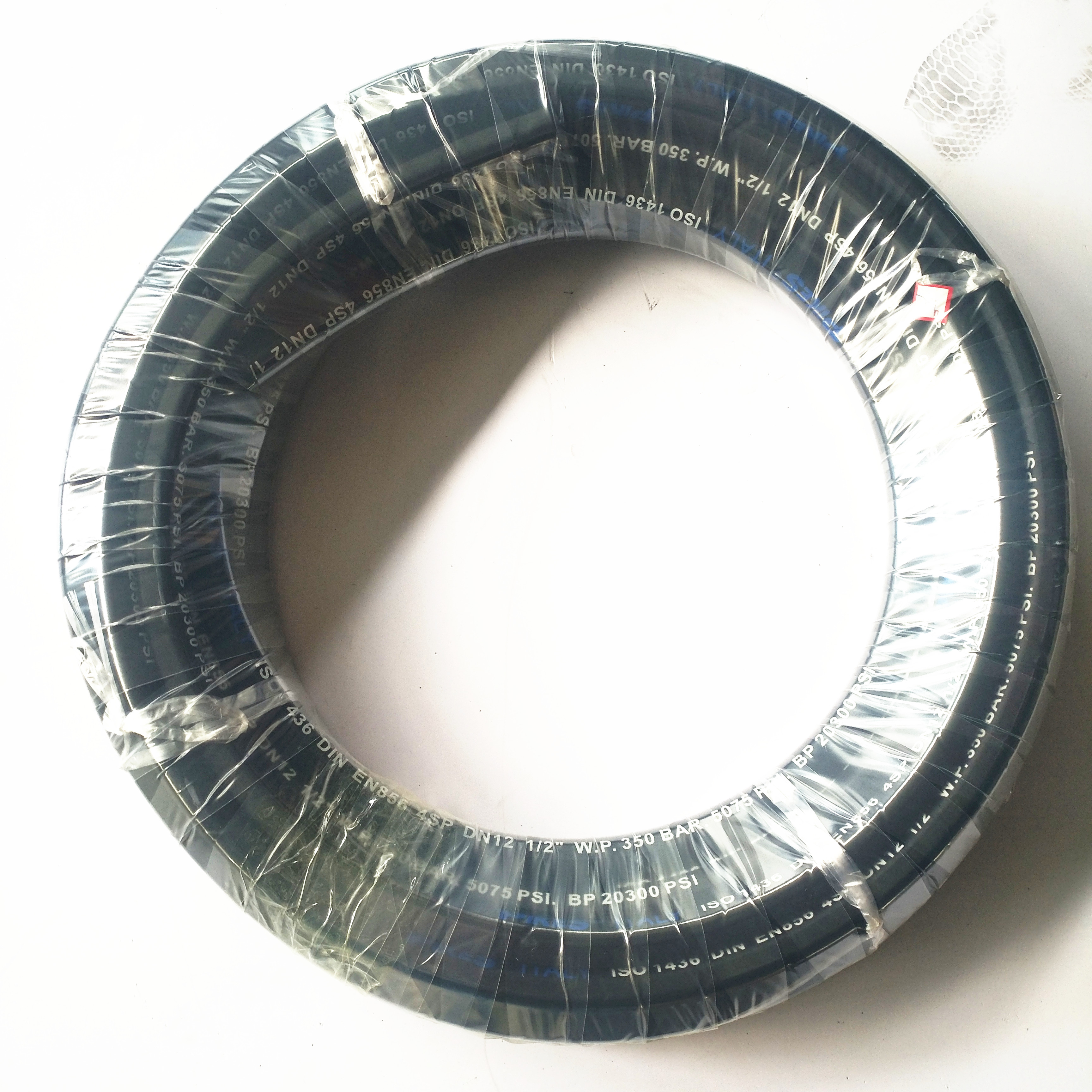
OEM 19mm hydraulic hose represents a critical component within fluid power systems, responsible for the safe and efficient transmission of hydraulic fluid under substantial pressure. Its technical position within the industrial chain places it between raw material suppliers (rubber compounds, steel wire, fittings manufacturers) and end-users across diverse sectors including construction equipment, agricultural machinery, material handling, and industrial manufacturing. The hose's core performance characteristics center around pressure capacity, burst strength, impulse resistance, and chemical compatibility. These parameters directly dictate system reliability, operational safety, and overall equipment longevity. Modern hydraulic systems demand precision and consistency in hose performance, driving demand for OEM solutions with stringent quality control and adherence to industry standards. A critical pain point for procurement managers is balancing cost with guaranteed performance, especially concerning long-term durability and resistance to environmental degradation. The 19mm internal diameter is a common size, balancing flow capacity with bend radius constraints in many applications.
Material Science & Manufacturing
The composition of a 19mm hydraulic hose is multi-layered, demanding specific material properties at each stage. The inner tube, typically constructed from nitrile rubber (NBR), is chosen for its excellent resistance to petroleum-based hydraulic fluids. NBR’s acrylonitrile content dictates its oil resistance; higher percentages generally improve resistance but reduce flexibility at low temperatures. Alternative inner tube materials include ethylene propylene diene monomer (EPDM) for phosphate ester fluids and fluorocarbon (FKM/Viton) for aggressive chemicals and high temperatures. Reinforcement layers are crucial for withstanding pressure. Multiple steel wire helices, spirally wound, provide the primary tensile strength. Wire diameter, number of spirals, and wire surface treatment (zinc coating for corrosion protection) are critical parameters. Between the inner tube and reinforcement, a rubber binder layer ensures adhesion and prevents extrusion. The outer cover, generally employing synthetic rubber like chloroprene (CR) or a blend of CR and NBR, provides abrasion, weather, and ozone resistance. Manufacturing begins with rubber compound mixing and calendering to create sheets. The inner tube is extruded, followed by the winding of steel wire reinforcement. Subsequent extrusion of the binder layer and outer cover complete the hose body. Fittings are attached using crimping, a process that securely bonds the fitting to the hose via controlled deformation. Parameter control during extrusion (temperature, pressure, screw speed) and crimping (pressure, die size, cycle time) is paramount to achieve consistent performance. Quality control includes pressure testing to burst, impulse testing, and dimensional verification.
Performance & Engineering
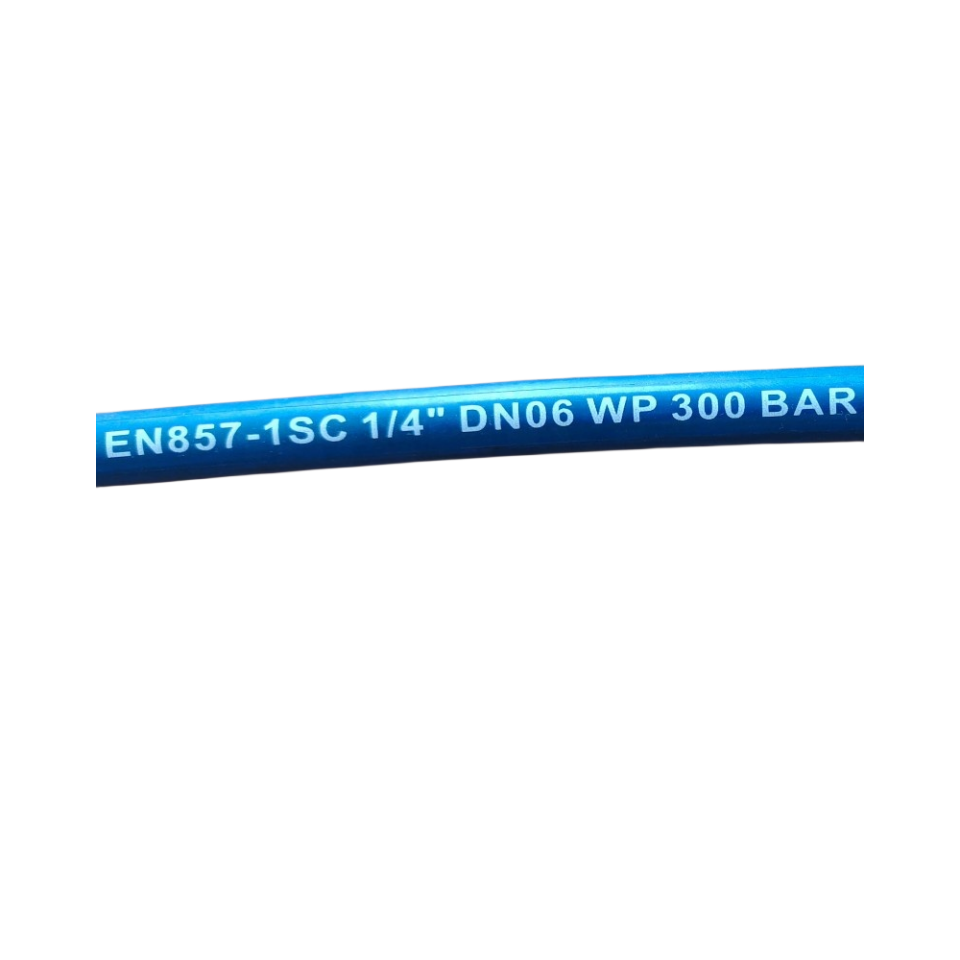
Hydraulic hose performance is dictated by a complex interplay of forces and environmental factors. Burst pressure, measured in PSI or bar, represents the maximum pressure the hose can withstand before rupture. Working pressure is significantly lower, typically 50-75% of burst pressure, providing a safety factor. Impulse pressure, characterized by rapid pressure fluctuations, demands resistance to fatigue failure. Hose flexing under pressure generates stress concentration at the bend radius, requiring careful consideration in system design. Finite Element Analysis (FEA) is increasingly used to model stress distributions and optimize hose geometry. Environmental resistance is critical, with temperature extremes, UV exposure, and chemical attack potentially degrading the rubber compounds. Outer cover materials must resist abrasion from contact with surfaces and erosion from fluid spray. Compliance with industry standards (SAE J517, EN 853, DIN EN 857) dictates testing procedures and performance criteria. Regarding functional implementation, proper hose routing is essential to minimize bending and twisting. Hose guards protect against abrasion and damage. Regular inspection for wear, leaks, and kinks is vital for preventative maintenance. The selection of appropriate fittings is crucial; mismatched fittings can lead to leakage or failure. Consideration must be given to fluid velocity to prevent erosion and noise.
Technical Specifications
| Parameter | Unit | Specification Range | Test Standard |
|---|---|---|---|
| Inner Diameter | mm | 19 ± 0.2 | ISO 1307 |
| Working Pressure | MPa | 20 - 35 | SAE J517 |
| Burst Pressure | MPa | 60 - 105 | SAE J517 |
| Reinforcement Type | - | 2 or 4 Spiral Steel Wire | ISO 3862 |
| Outer Cover Material | - | Chloroprene (CR) | ASTM D2000 |
| Inner Tube Material | - | Nitrile Rubber (NBR) | ASTM D2000 |
Failure Mode & Maintenance
Hydraulic hose failures manifest in various forms. Fatigue cracking, stemming from repeated flexing under pressure, is a common mode, often initiating at the bend radius. Delamination occurs when the bonding between layers fails, allowing fluid to seep between them. This can be caused by improper bonding during manufacturing or chemical attack. Oxidation and weathering degrade the outer cover, reducing its abrasion resistance and leading to cracking. Internal abrasion can occur due to particulate contamination in the hydraulic fluid, eroding the inner tube. Corrosion of the steel wire reinforcement, particularly in humid environments, weakens the hose's structural integrity. Improper installation, such as excessive bending or twisting, introduces stress concentrations and accelerates failure. Maintenance involves regular visual inspections for cracks, abrasions, leaks, and kinks. Hose should be replaced if any damage is detected. Fluid cleanliness is paramount; regular fluid filtration prevents internal abrasion. Proper hose routing and support minimize bending and twisting. Fitting tightness should be checked periodically. When replacing hoses, ensure compatibility with the hydraulic fluid and operating conditions. Consider using hose guards in exposed areas to prevent external damage. Documenting hose replacement dates and inspection records aids in tracking performance and identifying potential systemic issues.
Industry FAQ
Q: What is the impact of different steel wire treatments on hose lifespan?
A: Steel wire surface treatments, such as zinc plating or epoxy coating, significantly impact corrosion resistance and, consequently, hose lifespan. Zinc plating provides sacrificial corrosion protection, while epoxy coating forms a barrier against moisture and chemicals. Hoses operating in corrosive environments benefit substantially from treated wire reinforcement. The quality and thickness of the coating are critical factors; thin or poorly applied coatings offer limited protection.
Q: How does temperature affect the performance of NBR inner tubes?
A: Nitrile Rubber (NBR) exhibits temperature-dependent performance. At low temperatures, NBR becomes less flexible, increasing the risk of cracking during bending. At high temperatures, NBR can soften and lose its oil resistance. The operating temperature range for NBR is typically -40°C to +100°C, but this varies depending on the specific compound formulation.
Q: What are the key differences between SAE J517 and EN 853 standards?
A: SAE J517 is a North American standard primarily focused on performance requirements for hydraulic hose. EN 853 is a European standard that specifies similar performance criteria but uses different testing methods and acceptance criteria. EN 853 tends to be more prescriptive in terms of construction details. Both standards are widely recognized, but manufacturers often tailor their products to meet the requirements of specific regional markets.
Q: What role does crimping quality play in hose assembly reliability?
A: Crimping quality is paramount. Improper crimping – either under-crimping or over-crimping – can compromise the seal between the fitting and the hose, leading to leakage or fitting blow-off. Under-crimping provides insufficient grip, while over-crimping can damage the hose reinforcement. The crimping machine must be calibrated regularly, and the correct die set must be used for the hose and fitting combination. Visual inspection of the crimp profile is essential.
Q: How can fluid contamination be minimized to extend hose life?
A: Fluid contamination is a major contributor to hydraulic hose failure. Implementing a robust fluid filtration system is essential. This includes using filters with appropriate micron ratings and regularly replacing filter elements. Maintaining proper fluid levels and preventing the ingress of contaminants (dirt, water, air) through seals and fittings are also crucial. Regular fluid analysis can detect early signs of contamination and wear debris.
Conclusion
The selection and application of OEM 19mm hydraulic hose demand a thorough understanding of material science, manufacturing processes, and performance characteristics. Ensuring compatibility with the hydraulic fluid, operating pressure, and environmental conditions is crucial for maximizing hose lifespan and preventing catastrophic failures. Adherence to industry standards like SAE J517 and EN 853 provides a framework for quality control and performance validation.
Future developments in hydraulic hose technology will likely focus on advanced materials (e.g., thermoplastic composites), improved manufacturing techniques (e.g., automated braiding), and smart hose monitoring systems (e.g., embedded sensors). Proactive maintenance practices, including regular inspections and fluid analysis, remain essential for optimizing hydraulic system reliability and minimizing downtime. Proper installation and attention to detail are critical components of a successful hydraulic system.