
Apr . 01, 2024 17:55 Back to list
oem 19mm hydraulic hose manufacturer Performance Analysis
Introduction
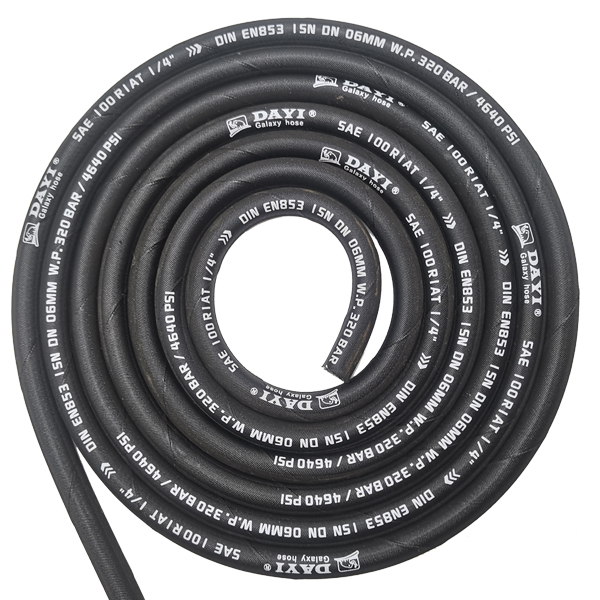
OEM 19mm hydraulic hose represents a critical component in fluid power systems across diverse industrial applications. Positioned within the hydraulic system's power transmission chain, this hose facilitates the transfer of pressurized hydraulic fluid, enabling the operation of machinery in sectors like construction, agriculture, manufacturing, and material handling. Its core performance characteristics – pressure capacity, flexibility, temperature resistance, and fluid compatibility – directly impact system efficiency, reliability, and safety. This guide provides an in-depth technical overview of 19mm hydraulic hose manufacturing, performance, failure modes, and relevant industry standards, targeting procurement managers, engineers, and maintenance personnel seeking informed decision-making.
Material Science & Manufacturing
The construction of a 19mm hydraulic hose involves several key material choices and manufacturing processes. The inner tube, typically composed of synthetic rubber compounds such as nitrile (NBR), chloroprene (CR), or ethylene propylene diene monomer (EPDM), dictates fluid compatibility and operational temperature range. NBR offers excellent oil resistance, CR provides robustness in various environments, and EPDM excels in high-temperature and weathering applications. Reinforcement layers, crucial for withstanding internal pressure, commonly utilize multiple plies of high-tensile steel wire, often spiraled or braided. The outer cover, frequently a blend of synthetic rubbers like polyurethane or chlorinated polyethylene (CPE), provides abrasion, ozone, and weathering resistance.
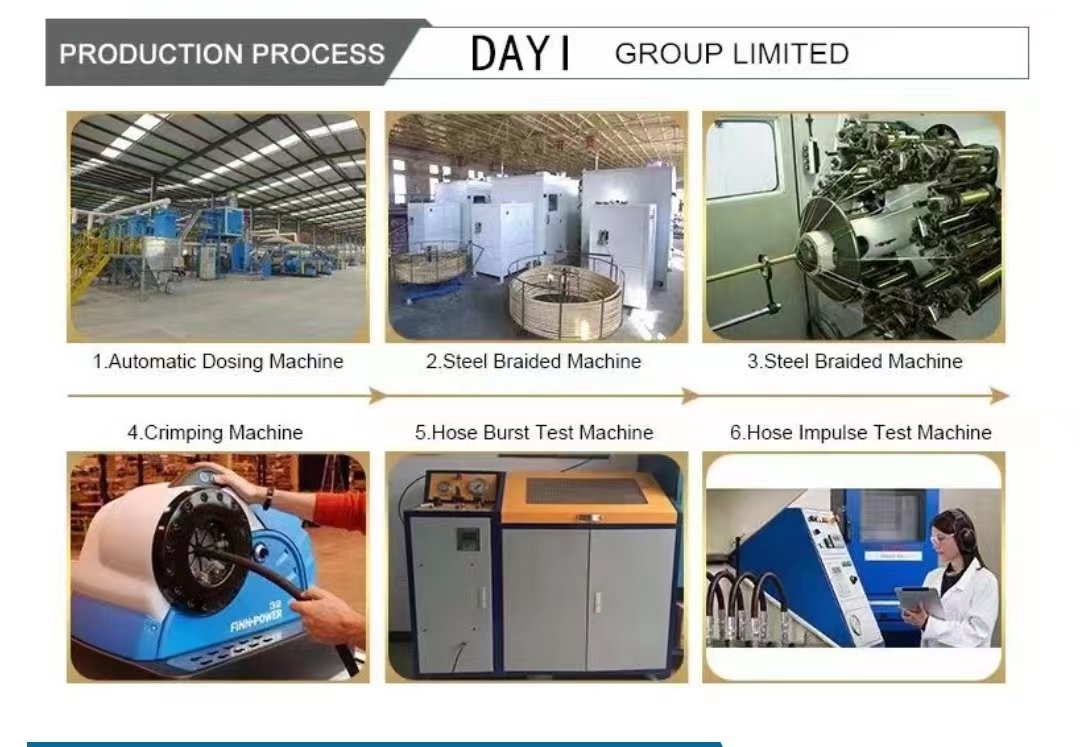
Manufacturing begins with extrusion of the inner tube. Precise temperature and pressure control during extrusion are critical to ensure consistent wall thickness and dimensional accuracy. The reinforcement layer is then applied, utilizing a winding or braiding process. Steel wire tension and ply angle are meticulously controlled to achieve the desired burst pressure and flexibility. Finally, the outer cover is extruded over the reinforcement, followed by curing – a vulcanization process that crosslinks the rubber compounds, imparting elasticity and durability. Post-curing inspection includes hydrostatic testing to verify pressure integrity and dimensional checks to confirm adherence to specifications. Key parameters requiring control include rubber compound viscosity, extrusion temperature, winding tension, curing time and temperature, and final hose dimensions. Consistent raw material quality and rigorous process control are paramount to producing reliable hoses.
Performance & Engineering
The performance of a 19mm hydraulic hose is dictated by several critical engineering factors. Burst pressure, representing the maximum pressure the hose can withstand before failure, is a primary specification, typically ranging from 3000 psi to 6000 psi or higher. This is directly related to the reinforcement layer’s material strength and construction. Working pressure is significantly lower, typically a fraction of the burst pressure, determined by a safety factor. Flexibility, or bend radius, is essential for navigating tight spaces and preventing kinking. This is influenced by the hose’s construction and outer diameter. Temperature range dictates the hose’s operational limits; exceeding these limits can lead to material degradation and failure. Fluid compatibility is paramount; selecting a hose material incompatible with the hydraulic fluid can cause swelling, softening, or cracking.
Force analysis reveals the stresses experienced by the hose during operation. Internal pressure generates hoop stress in the hose wall, while bending induces tensile and compressive stresses. Fatigue analysis is crucial for assessing the hose's lifespan under cyclic loading. Environmental resistance is also key; exposure to UV radiation, ozone, and chemicals can degrade the outer cover. Compliance requirements vary by region and application, with standards like SAE J517 and EN 853 specifying performance criteria and testing procedures. Proper hose assembly, including correct fitting selection and crimping, is essential for maintaining performance and preventing leaks.
Technical Specifications
| Parameter | Specification (Typical) | Test Standard | Units |
|---|---|---|---|
| Inner Diameter | 19 ± 0.5 mm | ISO 1307 | mm |
| Outer Diameter | 31 ± 1 mm | ISO 1307 | mm |
| Working Pressure | 200 Bar (2900 psi) | SAE J517 | Bar/psi |
| Burst Pressure | 800 Bar (11600 psi) | SAE J517 | Bar/psi |
| Temperature Range | -40°C to +100°C | DIN 2488 | °C |
| Reinforcement | Two Steel Wire Braids | ISO 6802 | - |
Failure Mode & Maintenance
Hydraulic hose failures typically stem from several key modes. Fatigue cracking, caused by repeated bending and pressure cycling, often initiates at the fitting interface or within the reinforcement layers. Abrasion, resulting from contact with abrasive surfaces, degrades the outer cover, exposing the reinforcement to corrosion. Pinholes, caused by foreign object penetration, lead to fluid leakage. Kinking, occurring when the bend radius is exceeded, restricts fluid flow and can damage the inner tube. Chemical degradation, caused by incompatible fluids, results in swelling, softening, or cracking of the rubber compounds. Oxidation, triggered by exposure to ozone and UV radiation, degrades the outer cover.
Preventative maintenance is crucial for extending hose lifespan. Regular visual inspections should identify abrasions, cracks, and leaks. Proper routing and support, utilizing clamps and sleeves, prevent chafing and kinking. Maintaining fluid cleanliness prevents contamination and erosion. Replacing hoses at recommended intervals, based on operating conditions and fluid type, mitigates the risk of catastrophic failure. Proper fitting selection and crimping are critical; loose or improperly crimped fittings are a major cause of leaks and failures. In the event of a failure, thorough failure analysis is recommended to identify the root cause and prevent recurrence.
Industry FAQ
Q: What is the impact of hydraulic fluid type on hose selection?
A: The hydraulic fluid’s chemical compatibility with the hose’s inner tube is paramount. Incompatible fluids can cause swelling, softening, or cracking, leading to premature failure. For example, petroleum-based fluids typically require NBR or CR inner tubes, while phosphate ester fluids require EPDM.
Q: How does temperature affect hose performance and lifespan?
A: Operating outside the hose’s specified temperature range degrades the rubber compounds. High temperatures accelerate oxidation and hardening, while low temperatures reduce flexibility and increase susceptibility to cracking. Maintaining fluid and ambient temperatures within acceptable limits is crucial.
Q: What are the key considerations when selecting hose fittings?
A: Fittings must match the hose’s inner diameter, pressure rating, and fluid compatibility. Proper crimping is essential to ensure a leak-proof seal. Using incorrect fittings or improper crimping techniques can lead to premature failure.
Q: How can hose kinking be prevented?
A: Maintaining a sufficient bend radius, providing adequate support with clamps or sleeves, and avoiding sharp turns are crucial for preventing kinking. Using hoses with higher flexibility ratings can also reduce the risk.
Q: What are the best practices for storing hydraulic hoses?
A: Hoses should be stored in a cool, dry, and dark environment, away from direct sunlight, ozone sources, and extreme temperatures. They should be coiled loosely and supported to prevent kinking or compression. Avoid storing hoses in contact with incompatible materials.
Conclusion
The selection and maintenance of 19mm hydraulic hoses require a comprehensive understanding of material science, manufacturing processes, performance parameters, and potential failure modes. Optimizing hose selection based on application-specific requirements – fluid type, pressure, temperature, and environmental conditions – is critical for maximizing system efficiency, reliability, and safety. Implementing a proactive maintenance program, including regular inspections, proper routing, and timely replacement, mitigates the risk of catastrophic failures and minimizes downtime.
Future advancements in hydraulic hose technology will likely focus on developing new materials with enhanced chemical resistance, temperature stability, and abrasion resistance. Smart hoses, incorporating sensors for real-time pressure and temperature monitoring, will enable predictive maintenance and improve system safety. Continued adherence to industry standards and best practices is essential for ensuring the long-term performance and integrity of hydraulic systems.