
Apr . 01, 2024 17:55 Back to list
oem 19mm hydraulic hose factory Performance Analysis
Introduction
OEM 19mm hydraulic hose represents a critical component in fluid power systems across diverse industrial applications. These hoses, characterized by a 19mm internal diameter, are engineered for the transmission of hydraulic fluid under high pressure, facilitating the operation of machinery in sectors such as construction, agriculture, manufacturing, and automotive. Positioned within the industrial supply chain as a fabricated component, their performance directly impacts the efficiency, reliability, and safety of the systems they serve. Core performance characteristics include pressure rating, burst strength, temperature resistance, and fluid compatibility, all critical factors in selecting the appropriate hose for a specific application. The proliferation of increasingly demanding hydraulic systems necessitates a rigorous understanding of the materials, manufacturing processes, and performance criteria governing these essential conduits. Failure in a hydraulic hose can lead to system downtime, fluid leaks, and potential safety hazards, making quality control and adherence to industry standards paramount.
Material Science & Manufacturing
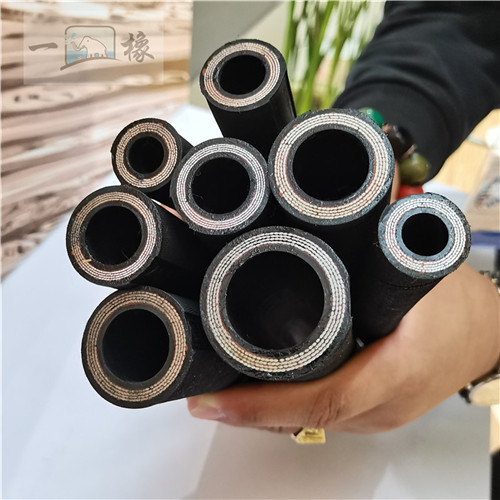
The construction of a 19mm hydraulic hose typically involves four key layers: the inner tube, reinforcement layers, outer cover, and, often, a bonding layer between the tube and reinforcement. The inner tube, responsible for fluid containment, is commonly composed of synthetic rubbers such as nitrile rubber (NBR) or fluoroelastomer (FKM), chosen for their compatibility with various hydraulic fluids (mineral oil, synthetic hydraulic fluids, phosphate ester fluids) and resistance to degradation. NBR offers good general-purpose resistance and cost-effectiveness, while FKM provides superior resistance to high temperatures, aggressive chemicals, and abrasion. The reinforcement layer(s) provide the hose's strength and ability to withstand high pressure. These layers commonly consist of one or more plies of high-tensile steel wire, spirally wound or braided, providing circumferential and axial strength. The number and configuration of these braids directly correlate to the hose’s working pressure rating. The outer cover, providing environmental protection and abrasion resistance, is typically constructed from synthetic rubber compounds like chloroprene (CR) or polyurethane (PU). CR offers good resistance to ozone, weathering, and oil, while PU provides excellent abrasion and cut resistance. Manufacturing processes include extrusion for the inner tube and outer cover, calendaring for the reinforcement layers, and a helical winding or braiding process for the reinforcement. Critical parameters include extrusion temperature, winding tension, braid angle, and vulcanization time and temperature. Precise control of these parameters is crucial to ensure consistent hose dimensions, structural integrity, and long-term performance. Post-production testing includes hydrostatic pressure testing, impulse testing, and dimensional inspection.
Performance & Engineering
The performance of a 19mm hydraulic hose is governed by several engineering principles and considerations. Force analysis focuses on hoop stress (generated by internal fluid pressure) and longitudinal stress (resulting from pressure and bending). The reinforcement layers are designed to counteract these stresses, preventing hose rupture or deformation. Burst pressure, a critical performance metric, represents the maximum pressure the hose can withstand before failure. Working pressure is typically a fraction (e.g., 1/4) of the burst pressure, providing a safety margin. Environmental resistance is paramount; hoses must maintain their integrity under varying temperatures, exposure to UV radiation, ozone, and chemical spills. Temperature ratings dictate the operational temperature range of the hose, with performance degradation occurring outside these limits. Hose bend radius is crucial to avoid kinking and stress concentration, which can lead to premature failure. A minimum bend radius, typically specified by the manufacturer, must be adhered to during installation. Compliance with industry standards, such as SAE J517 (hydraulic hose) and ISO 6899 (hydraulic hose assemblies), ensures that hoses meet minimum performance requirements for safety and reliability. The selection of fittings is also critical, ensuring compatibility with the hose material and pressure rating, and preventing leakage. Dynamic applications, involving continuous flexing and pulsation, require hoses with enhanced fatigue resistance, often utilizing specialized reinforcement constructions.
Technical Specifications
| Parameter | Unit | Typical Value (NBR/Steel Wire/CR) | Typical Value (FKM/Steel Wire/PU) |
|---|---|---|---|
| Inner Diameter | mm | 19 | 19 |
| Working Pressure | MPa | 20 | 25 |
| Burst Pressure | MPa | 80 | 100 |
| Temperature Range | °C | -40 to +100 | -20 to +150 |
| Reinforcement Type | - | Single Steel Wire Braid | Double Steel Wire Braid |
| Cover Material | - | Chloroprene Rubber (CR) | Polyurethane (PU) |
| Fluid Compatibility | - | Mineral Oil, Water-Glycol | Mineral Oil, Synthetic Fluids, Phosphate Ester |
Failure Mode & Maintenance
Hydraulic hose failure can manifest in several ways, often stemming from degradation of materials or exceeding operational limits. Common failure modes include: 1) Bursting: Sudden and catastrophic rupture due to exceeding the working pressure or fatigue weakening of the reinforcement. 2) Pinholing: Small leaks in the inner tube caused by abrasion from fluid contaminants or chemical attack. 3) Kinking: Sharp bending beyond the minimum bend radius, leading to internal damage and restricted flow. 4) Abrasion: Outer cover damage from contact with abrasive surfaces, exposing the reinforcement layers to corrosion. 5) Wicking: Fluid migration through the hose wall, often occurring at the fitting connection due to improper sealing or hose degradation. 6) Delamination: Separation of the hose layers due to bonding failure. Preventative maintenance is crucial. Regular visual inspections should identify abrasion, cracking, or swelling. Hose assemblies should be pressure tested periodically. Proper fluid filtration prevents contaminant-induced wear. Hose routing should avoid sharp bends and direct contact with hot surfaces. When replacing hoses, ensure compatibility with the hydraulic fluid and operating conditions. Fittings should be properly torqued to prevent leakage. Damaged hoses should be immediately replaced; attempts to repair damaged hoses are generally not recommended due to the potential for catastrophic failure. Storage of hoses should be in a cool, dry, and dark environment to prevent degradation of the rubber compounds.
Industry FAQ
Q: What is the impact of hydraulic fluid type on hose selection?
A: Hydraulic fluid compatibility is critical. Different fluids have varying chemical properties. NBR is suitable for mineral oil-based fluids but can degrade in contact with phosphate ester fluids. FKM offers broad compatibility, including resistance to aggressive fluids. Selecting a hose with an inner tube material specifically rated for the intended fluid is essential to prevent swelling, cracking, and premature failure.
Q: How does hose layline marking contribute to traceability and safety?
A: Layline markings provide crucial information about the hose, including manufacturer, production date, working pressure, and hose type. This information facilitates traceability in case of failure analysis and ensures that the hose is used within its specified operating parameters. Compliance markings also indicate adherence to relevant industry standards.
Q: What is the significance of impulse testing in hydraulic hose evaluation?
A: Impulse testing simulates the pulsating pressure experienced in many hydraulic systems. This testing evaluates the hose's ability to withstand repeated pressure surges without failure. Hoses subjected to impulsive loads require reinforcement designs optimized for fatigue resistance, often involving spiral reinforcement.
Q: What are the best practices for installing hydraulic hose assemblies to maximize service life?
A: Proper installation is paramount. Ensure the hose is routed correctly, avoiding sharp bends and abrasion. Use compatible fittings and torque them to the manufacturer’s specifications. Avoid twisting the hose during installation, as this can damage the reinforcement. Use appropriate hose guards to protect against external damage.
Q: How does temperature affect the performance and lifespan of a hydraulic hose?
A: Temperature extremes can significantly impact hose performance. High temperatures accelerate rubber degradation, reducing flexibility and burst strength. Low temperatures can cause rubber to become brittle and prone to cracking. Operating hoses within their specified temperature range is critical for longevity and safety.
Conclusion
The selection and implementation of OEM 19mm hydraulic hoses demand a comprehensive understanding of material science, manufacturing processes, and performance engineering. Ensuring compatibility with the hydraulic fluid, adhering to specified operating parameters, and implementing a robust preventative maintenance program are fundamental to maximizing service life and minimizing the risk of catastrophic failure. The critical role these components play in the safe and efficient operation of hydraulic systems necessitates a rigorous approach to quality control and adherence to relevant industry standards.
Future trends in hydraulic hose technology will likely focus on the development of lighter-weight materials, improved abrasion resistance, and enhanced chemical compatibility. Advancements in hose construction, such as the incorporation of advanced polymers and innovative reinforcement designs, will further enhance performance and extend service life. Continued emphasis on safety and environmental sustainability will drive the development of more durable and environmentally friendly hose solutions.