
Apr . 01, 2024 17:55 Back to list
oem 19mm hydraulic hose factories Performance Analysis
Introduction
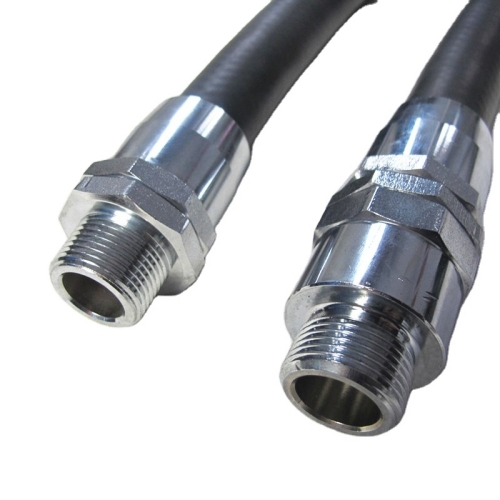
OEM 19mm hydraulic hoses represent a critical component in fluid power systems across a diverse range of industries, including construction, agriculture, manufacturing, and automotive. These hoses are specifically engineered for the transmission of hydraulic fluid under significant pressure, facilitating the operation of heavy machinery and precision control systems. Their 19mm internal diameter positions them within a commonly utilized size range offering a balance between flow capacity and flexibility. As an OEM (Original Equipment Manufacturer) product, these hoses are frequently produced to exacting specifications dictated by the end-user’s equipment design. Core performance characteristics include pressure rating, burst pressure, temperature resistance, and fluid compatibility. The primary industry pain points surrounding 19mm hydraulic hoses center on maintaining consistent quality control, ensuring long-term reliability in demanding operating environments, and adhering to stringent safety standards. Understanding the intricacies of material selection, manufacturing processes, and failure modes is paramount for manufacturers and end-users alike. This guide provides an in-depth examination of these aspects, offering a comprehensive resource for procurement managers, engineers, and maintenance personnel.
Material Science & Manufacturing
The construction of a 19mm hydraulic hose typically involves four key layers: the inner tube, reinforcement layers, outer cover, and fittings. The inner tube, the component in direct contact with the hydraulic fluid, is commonly manufactured from synthetic rubbers such as nitrile rubber (NBR), chloroprene rubber (CR), or fluorocarbon rubber (FKM/Viton). NBR offers excellent resistance to petroleum-based fluids and is cost-effective; however, its temperature range is limited. CR provides superior weathering resistance and moderate oil resistance. FKM boasts the highest level of fluid and temperature resistance but is significantly more expensive. The choice of inner tube material is dictated by the hydraulic fluid being used (e.g., mineral oil, synthetic hydraulic fluid, phosphate ester fluid) and the operating temperature. Reinforcement layers are critical for withstanding internal pressure. These layers generally consist of multiple braids or spirals of high-strength steel wire. The number and configuration of these layers directly influence the hose’s pressure rating. Spiral reinforcement provides higher pressure capacity and flexibility compared to braided reinforcement. The outer cover, typically made of synthetic rubber like CR or polyurethane (PU), protects the reinforcement layers from abrasion, weathering, and chemical attack. Polyurethane offers excellent abrasion resistance but can be susceptible to hydrolysis. The manufacturing process begins with extrusion of the inner tube and outer cover. Reinforcement layers are then applied and cured using heat and pressure. Finally, fittings are crimped onto the hose ends, creating a secure and leak-proof connection. Key parameter control during manufacturing includes precise temperature regulation during extrusion, consistent wire tension during reinforcement winding, and accurate crimp force application for fittings. Variations in these parameters can lead to premature failure.

Performance & Engineering
The performance of a 19mm hydraulic hose is fundamentally governed by its ability to withstand internal pressure, external loads, and environmental stressors. Force analysis focuses on hoop stress within the hose wall, which increases with pressure and decreases with hose diameter and wall thickness. Reinforcement layers are designed to counteract this hoop stress, preventing bursting. Burst pressure, typically rated 4:1 against working pressure, is a crucial safety parameter. Environmental resistance is also paramount. Exposure to extreme temperatures (both high and low) can affect the rubber’s flexibility and degrade its mechanical properties. Ozone cracking, a common issue with unsaturated rubbers, can lead to surface cracks and eventual failure. UV radiation can also cause degradation. Chemical compatibility is another critical factor. Incompatibility between the hose material and the hydraulic fluid can lead to swelling, softening, or cracking. Compliance requirements, such as those stipulated by SAE International (SAE J517, SAE J518), dictate minimum performance standards for hydraulic hoses, including pressure ratings, temperature ranges, and testing procedures. Functional implementation necessitates careful consideration of hose routing and bend radius. Excessive bending or kinking can restrict flow and damage the reinforcement layers. Proper hose support is essential to prevent chafing and abrasion. Furthermore, the selection of appropriate fittings is crucial to ensure a leak-free connection and prevent fitting blow-off under pressure. Fatigue life, the number of pressure cycles the hose can withstand before failure, is a significant performance indicator, particularly in applications involving frequent starts and stops.
Technical Specifications
| Parameter | NBR/Steel Wire Braided | CR/Steel Wire Spiraled | FKM/Steel Wire Spiraled | Polyurethane Cover |
|---|---|---|---|---|
| Internal Diameter (mm) | 19 | 19 | 19 | Cover Thickness (mm) |
| Working Pressure (MPa) | 20 | 30 | 40 | Abrasion Resistance (Taber Abrasion Index) |
| Burst Pressure (MPa) | 80 | 120 | 160 | Temperature Range (°C) |
| Temperature Range (°C) | -40 to +100 | -40 to +120 | -20 to +200 | Fluid Compatibility |
| Reinforcement Type | Steel Wire Braid (2 layers) | Steel Wire Spiral (4 layers) | Steel Wire Spiral (6 layers) | Hydrolytic Stability |
| Outer Cover Material | CR | CR | CR | Ozone Resistance (ASTM D573) |
Failure Mode & Maintenance
Failure modes in 19mm hydraulic hoses are diverse and often interconnected. Fatigue cracking, initiated by repeated pressure cycles, typically occurs in the reinforcement layers, often near the fittings. Delamination, the separation of layers within the hose wall, can result from poor bonding during manufacturing or exposure to incompatible fluids. Degradation of the rubber compounds due to exposure to heat, ozone, UV radiation, or aggressive chemicals leads to loss of flexibility and eventual cracking. Oxidation, particularly in NBR, can cause hardening and cracking. Abrasion, caused by external contact with abrasive surfaces, damages the outer cover, exposing the reinforcement layers to corrosion. Fitting failures, including corrosion and thread stripping, can lead to leaks. Hose kinking and twisting induce localized stress concentrations, increasing the risk of failure. Regular inspection is crucial for preventative maintenance. This includes visually checking for cracks, abrasions, swelling, or discoloration. Leak testing should be performed periodically to identify any pressure loss. Hose routing should be reviewed to ensure proper support and avoid excessive bending. Fluid compatibility should be verified to prevent material degradation. When replacing a hose, ensure that the new hose meets or exceeds the original specifications. Crimping procedures must be followed precisely to ensure a secure and leak-proof connection. Proper storage of hoses is also important; hoses should be stored in a cool, dry, and dark environment, away from ozone sources and direct sunlight. Documenting inspection and maintenance records is essential for tracking hose performance and identifying potential issues.
Industry FAQ
Q: What is the significance of the SAE J517 standard when selecting a 19mm hydraulic hose?
A: SAE J517 is a critical standard that defines the performance requirements for hydraulic hoses. It outlines criteria for pressure ratings, temperature ranges, and fluid compatibility, ensuring that the hose is suitable for the intended application. Selecting a hose that meets or exceeds the requirements of SAE J517 guarantees a minimum level of safety and reliability. Compliance is often a requirement for regulatory approval and warranty validation.
Q: How does the reinforcement layer material (braided vs. spiraled) impact the hose's performance?
A: Braided reinforcement, typically using multiple layers of steel wire, offers good flexibility and moderate pressure capacity. Spiraled reinforcement, also using steel wire, provides significantly higher pressure capacity but generally exhibits less flexibility. The choice depends on the application; spiraled reinforcement is preferred for high-pressure systems, while braided reinforcement is suitable for applications requiring greater maneuverability.
Q: What are the implications of using an incompatible hydraulic fluid with a particular hose material?
A: Using an incompatible fluid can lead to severe degradation of the hose material. This manifests as swelling, softening, cracking, or loss of elasticity. Such degradation compromises the hose’s integrity and increases the risk of failure. Always consult a fluid compatibility chart before selecting a hose to ensure compatibility with the hydraulic fluid.
Q: What preventative measures can be taken to minimize the risk of hose kinking and twisting?
A: Proper hose routing is paramount. Avoid sharp bends and ensure sufficient clearance for the hose to move freely. Use hose supports to prevent chafing and maintain the hose’s shape. Avoid twisting the hose during installation and operation. Regularly inspect the hose for signs of kinking or twisting and correct any issues promptly.
Q: What are the recommended crimping procedures for ensuring a secure fitting connection?
A: Correct crimping is essential for a leak-proof connection. The crimp size must be precisely matched to the hose and fitting dimensions, as specified by the fitting manufacturer. Use a calibrated crimping machine and follow the manufacturer’s instructions meticulously. Inspect the crimp visually for proper deformation and conduct a leak test to verify the connection's integrity.
Conclusion
The selection and maintenance of OEM 19mm hydraulic hoses require a thorough understanding of material science, manufacturing processes, and operational considerations. Maintaining consistent quality control throughout the manufacturing process, focusing on precise parameter control during extrusion, reinforcement winding, and crimping, is paramount. A critical evaluation of fluid compatibility, temperature range, and pressure requirements, coupled with adherence to industry standards like SAE J517, ensures reliable performance and minimizes the risk of premature failure.
Ultimately, a proactive approach to inspection, preventative maintenance, and proper installation extends hose lifespan, reduces downtime, and enhances the safety and efficiency of hydraulic systems. Investing in high-quality hoses and implementing robust maintenance protocols represent a cost-effective strategy for minimizing long-term operational expenses and maximizing return on investment.