
Apr . 01, 2024 17:55 Back to list
oem 16mm hydraulic hose supplier Performance Analysis
Introduction
OEM 16mm hydraulic hose represents a critical component in fluid power systems across diverse industrial applications, including construction machinery, agricultural equipment, material handling, and manufacturing processes. This guide provides an in-depth examination of these hoses, encompassing their material composition, manufacturing methodologies, performance characteristics, failure modes, and relevant industry standards. The 16mm designation refers to the inner diameter, a common size balancing flow capacity with flexibility and space constraints. As an OEM supplier component, these hoses are often integrated into larger systems requiring precise specifications and consistent quality. Core performance aspects include pressure capability, temperature resistance, fluid compatibility, and resistance to abrasion and external damage. A key industry pain point centers around ensuring long-term reliability and preventing catastrophic failures leading to downtime and safety hazards. Another challenge lies in maintaining consistent performance across varying operational conditions and fluid types.
Material Science & Manufacturing
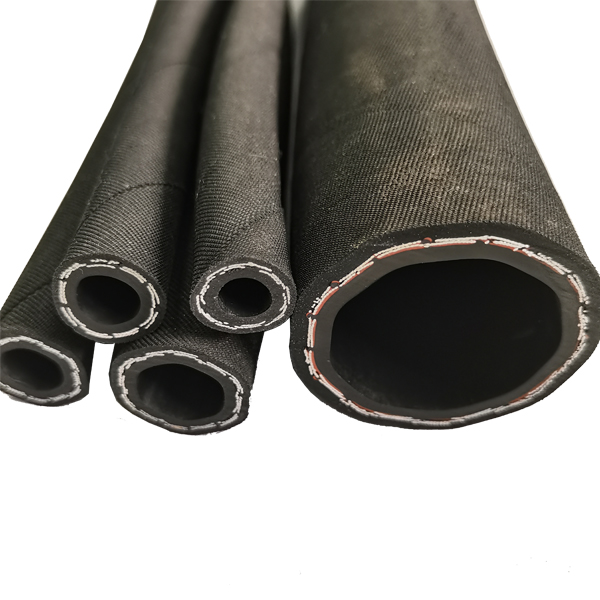
The construction of a 16mm hydraulic hose typically involves four key layers: the inner tube, reinforcement layer(s), outer cover, and potentially a bonding layer between these components. The inner tube is commonly composed of synthetic rubbers such as nitrile rubber (NBR) for oil-based fluids, ethylene propylene diene monomer (EPDM) for water-based fluids, or fluorocarbon rubber (FKM/Viton) for aggressive chemicals and high temperatures. NBR offers good abrasion resistance and is cost-effective, while EPDM exhibits superior heat and ozone resistance. FKM provides exceptional chemical resistance but at a higher cost. The reinforcement layer is crucial for withstanding internal pressure. High-tensile steel wire, often spiral wound, is the most common reinforcement material, providing high burst strength. Synthetic fiber braids (e.g., polyester, aramid) can also be used for lower-pressure applications or enhanced flexibility. The outer cover, typically made of synthetic rubber like chloroprene (Neoprene) or polyurethane, protects the reinforcement from abrasion, weathering, and chemical attack. Manufacturing processes involve extrusion of the inner tube and outer cover, followed by winding or braiding of the reinforcement layer. Precise control of extrusion temperature, pressure, and screw speed is critical for achieving consistent wall thickness and material properties. Bonding agents are applied to ensure strong adhesion between the layers. Post-production testing, including burst pressure testing, impulse testing, and dimensional verification, is essential for quality control.

Performance & Engineering
Hydraulic hose performance is governed by several key engineering principles. Burst pressure, defined as the pressure at which the hose fails catastrophically, is a primary specification. Working pressure is typically a fraction of the burst pressure, determined by a safety factor (commonly 4:1). Hose flexibility, or bend radius, is critical for installation in confined spaces. A smaller bend radius indicates greater flexibility. Temperature resistance is crucial, as both high and low temperatures can degrade rubber compounds. Fluid compatibility must be carefully considered to prevent swelling, softening, or cracking of the inner tube. Impulse testing simulates pressure fluctuations common in hydraulic systems, assessing the hose’s ability to withstand repeated pressure surges. Fatigue life is another important consideration, particularly in applications with cyclical loading. Finite element analysis (FEA) is frequently employed to model hose behavior under various loading conditions, optimizing reinforcement design and material selection. Compliance requirements, such as those stipulated by SAE J517 and EN 853, dictate minimum performance standards. The selection of fittings is also crucial; improper fittings can lead to leaks or hose failure. Fittings must be properly crimped onto the hose, ensuring a secure and leak-proof connection.
Technical Specifications
| Inner Diameter (mm) | Working Pressure (MPa) | Burst Pressure (MPa) | Temperature Range (°C) |
|---|---|---|---|
| 16 | 16 | 64 | -40 to +100 |
| 16 | 25 | 100 | -40 to +120 |
| 16 | 35 | 140 | -30 to +150 |
| 16 | 40 | 160 | -20 to +150 |
| 16 | 50 | 200 | -20 to +120 (FKM inner tube) |
| 16 | 70 | 280 | -10 to +100 (Spiral wire reinforced) |
Failure Mode & Maintenance
Common failure modes for 16mm hydraulic hoses include burst failure due to exceeding working pressure, pinhole leaks resulting from internal abrasion or chemical attack, and end connection failure due to improper crimping or corrosion. Fatigue cracking can occur in hoses subjected to repeated bending or pressure cycling. External damage, such as abrasion from rubbing against other components, can also lead to failure. Swelling or degradation of the inner tube can occur due to incompatible fluids. Oxidation of the outer cover can cause it to become brittle and crack. Preventative maintenance is critical. Regular visual inspections should be conducted to check for signs of damage, such as cracks, abrasions, or leaks. Hoses should be replaced if any damage is detected. Proper routing and support are essential to prevent excessive bending and abrasion. Fluid contamination should be minimized through the use of filters. Hoses should be flushed periodically to remove accumulated debris. When replacing hoses, it is crucial to use fittings that are compatible with the hose material and operating conditions. Crimping procedures should be followed precisely to ensure a secure connection. Regular torque checks on fittings are also recommended.
Industry FAQ
Q: What is the impact of hose layline markings and how do they aid in failure analysis?
A: Hose layline markings provide crucial traceability information, including the manufacturer, date of manufacture, and hose specifications. This information is essential for identifying the hose type and verifying its suitability for the application. In the event of a failure, the layline markings can help determine if the hose was the correct specification for the system and whether it was manufactured according to quality standards. They are also critical for warranty claims and root cause analysis.
Q: How does the choice of reinforcement material (steel wire vs. fiber braid) affect impulse performance?
A: Steel wire reinforcement generally provides superior impulse performance compared to fiber braid reinforcement. Steel wire has higher elasticity and can better absorb pressure fluctuations. Fiber braid reinforcement is more flexible but less resistant to impulse loading. The selection of reinforcement material should be based on the severity of the pressure pulsations in the hydraulic system.
Q: What are the considerations for selecting a hydraulic hose for use with biodegradable hydraulic fluids?
A: Biodegradable hydraulic fluids can be aggressive to certain rubber compounds. It is essential to select a hose with an inner tube material that is compatible with the specific biodegradable fluid being used. EPDM is often a suitable choice, but compatibility should always be verified with the fluid manufacturer. Increased frequency of hose inspections may be necessary due to the potential for accelerated degradation.
Q: How does the hose bend radius impact its operational lifespan and performance?
A: Exceeding the recommended bend radius puts undue stress on the hose reinforcement, leading to premature fatigue failure. A tighter bend radius increases the stress concentration and accelerates wear. Maintaining the correct bend radius is critical for maximizing hose lifespan and ensuring reliable performance. Support structures should be used to prevent excessive bending.
Q: What is the role of hose guards in protecting against abrasion and external damage?
A: Hose guards provide a physical barrier against abrasion, impact, and other external damage. They are particularly important in applications where hoses are exposed to harsh environments or contact with abrasive surfaces. Hose guards can significantly extend hose lifespan and prevent catastrophic failures caused by external damage. Different types of hose guards are available, including spiral wrap, sleeves, and rigid guards.
Conclusion
OEM 16mm hydraulic hoses are fundamental components demanding careful selection, installation, and maintenance. Their performance is dictated by a complex interplay of material properties, manufacturing precision, and operating conditions. Understanding the potential failure modes and adhering to industry best practices are essential for ensuring long-term reliability and preventing costly downtime. The proper hose selection, considering factors like pressure, temperature, fluid compatibility, and environmental conditions, directly influences system performance and safety.
Ongoing research and development continue to drive improvements in hydraulic hose technology, with a focus on enhancing durability, reducing weight, and increasing resistance to harsh environments. Future trends may include the use of advanced materials, such as thermoplastic composites, and the integration of sensor technology for real-time monitoring of hose condition. Proactive maintenance programs and adherence to relevant industry standards are paramount for maximizing the lifespan and ensuring the safe operation of hydraulic systems employing 16mm hydraulic hoses.