
Apr . 01, 2024 17:55 Back to list
oem 16mm hydraulic hose factories Performance Analysis
Introduction
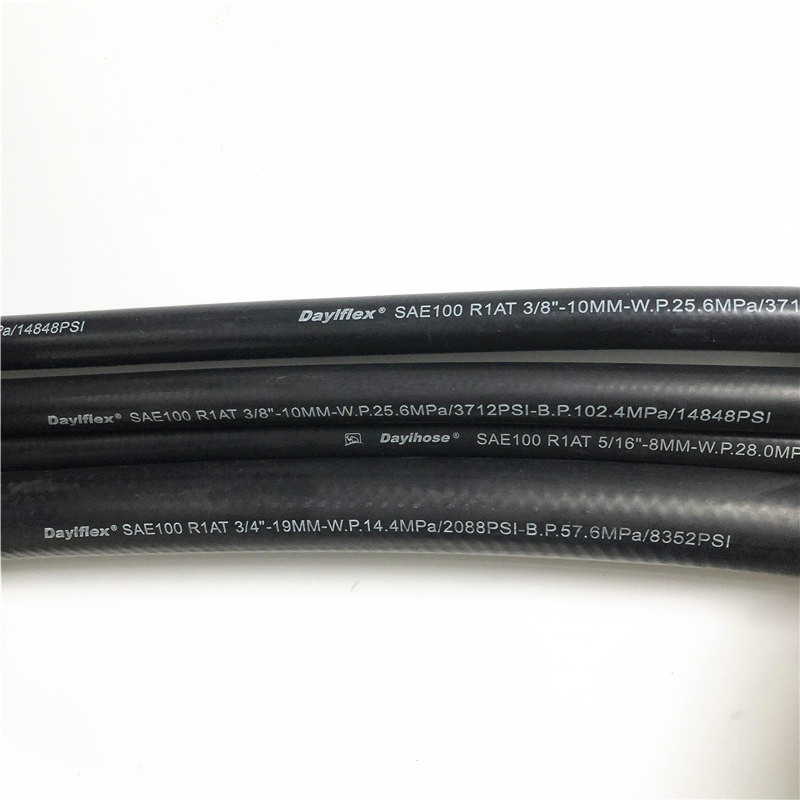
OEM 16mm hydraulic hose represents a critical component in fluid power systems across diverse industries, including construction, agriculture, material handling, and manufacturing. These hoses are engineered to transmit hydraulic fluid under high pressure, facilitating the operation of hydraulic machinery. Their technical position within the supply chain places them between raw material suppliers (rubber compounds, steel wire) and equipment manufacturers requiring reliable fluid conveyance. Core performance characteristics are defined by burst pressure, working pressure, temperature range, and fluid compatibility. A key industry pain point centers on maintaining consistent quality and adherence to stringent safety standards (particularly regarding burst resistance) due to the catastrophic consequences of hose failure in critical applications. Furthermore, manufacturers seek cost-effective solutions without compromising performance, creating pressure on OEMs to optimize material selection and production processes. This guide provides a comprehensive technical overview of 16mm hydraulic hoses, addressing material science, manufacturing techniques, performance parameters, failure modes, and relevant industry standards.
Material Science & Manufacturing
The fundamental material for 16mm hydraulic hoses is typically a synthetic rubber compound, most commonly nitrile rubber (NBR) due to its excellent resistance to petroleum-based hydraulic fluids. Other rubber compounds such as chlorinated polyethylene (CPE) may be used for improved ozone and weathering resistance. The rubber compound's physical properties – tensile strength, elongation at break, hardness (measured via Shore A scale), and abrasion resistance – directly impact hose durability. Reinforcement is crucial, typically consisting of multiple layers of high-tensile steel wire spirally wound within the rubber matrix. The wire gauge and number of layers determine the hose’s burst pressure capacity. Manufacturing begins with the extrusion of the inner tube, followed by the application of reinforcement layers using automated winding machines. The outer cover, often a CPE or NBR blend for abrasion and weather protection, is then extruded. Key parameter control during extrusion includes maintaining consistent rubber temperature and pressure to ensure uniform wall thickness and optimal adhesion between layers. Curing (vulcanization) is a critical step, employing heat and pressure to cross-link the rubber molecules, enhancing its strength and elasticity. Post-curing inspection includes dimensional checks, pressure testing (hydrostatic testing to 1.5 times working pressure), and visual inspection for defects. The quality of the steel wire, specifically its tensile strength and surface treatment (to promote adhesion), is paramount. Improper curing or inadequate wire adhesion are leading causes of premature failure.

Performance & Engineering
The performance of a 16mm hydraulic hose is primarily governed by its ability to withstand internal pressure without failure. Burst pressure is the maximum pressure the hose can endure before rupture, while working pressure is a fraction of the burst pressure (typically a 4:1 safety factor) representing the recommended operating limit. Force analysis involves calculating hoop stress within the hose wall based on internal pressure and hose diameter, informing material selection and reinforcement layer design. Environmental resistance is critical; hydraulic hoses operate in harsh conditions, exposed to varying temperatures, UV radiation, and potentially corrosive fluids. Temperature range specification is vital, as rubber compounds lose flexibility and strength at extreme temperatures. Fluid compatibility is equally important; incompatible fluids can cause swelling, degradation, or embrittlement of the rubber. Compliance requirements are dictated by industry standards (detailed in the footer), covering aspects such as dimensional accuracy, burst pressure testing, impulse testing (simulating pulsating pressure), and marking requirements. Functional implementation considerations include bend radius; exceeding the minimum bend radius creates stress concentrations and can lead to premature failure. Hose assembly integrity (coupling attachment) is also crucial, ensuring a secure and leak-proof connection. Proper hose routing, avoiding abrasion and kinking, is essential for maximizing service life.
Technical Specifications
| Parameter | Unit | Typical Value (NBR, Steel Wire Reinforced) | Testing Standard |
|---|---|---|---|
| Inner Diameter | mm | 16 | ISO 3864 |
| Working Pressure | MPa | 20 | SAE J517 |
| Burst Pressure | MPa | 80 | ISO 3966 |
| Temperature Range | °C | -40 to +100 | DIN EN 853 |
| Reinforcement Layers | Number | 4 Spiral | Internal Specification |
| Outer Cover Material | - | CPE | Customer Specification |
Failure Mode & Maintenance
Common failure modes for 16mm hydraulic hoses include burst failure (due to exceeding pressure limits or material defects), fatigue cracking (caused by repeated flexing and pressure cycling), abrasion (resulting from external contact with rough surfaces), and degradation (induced by chemical attack or prolonged exposure to UV radiation). Failure analysis often reveals the root cause: wire breakage (weakening reinforcement), rubber cracking (loss of flexibility), or coupling failure (improper crimping or corrosion). Fatigue cracking typically initiates at the inner radius of bends. Delamination (separation of rubber layers) can occur due to inadequate adhesion during manufacturing. Oxidation of the rubber compound can lead to hardening and cracking. Maintenance best practices include regular visual inspections for signs of wear, abrasion, or swelling. Hoses should be replaced if any defects are observed. Proper hose routing and support are critical to prevent kinking and abrasion. Fluid contamination should be minimized through effective filtration. Couplings should be inspected for leaks and corrosion. Following manufacturer's recommended replacement intervals, based on application severity and operating conditions, is crucial. Implementing a preventative maintenance program can significantly extend hose service life and reduce the risk of catastrophic failure. It is recommended to check hoses after the first 24 hours of operation for proper seating and integrity.
Industry FAQ
Q: What is the significance of the 'impulse' rating for a 16mm hydraulic hose?
A: The impulse rating defines the hose's ability to withstand repeated pressure surges, or pulses, without failure. Hydraulic systems often experience pressure fluctuations due to pump operation and valve switching. A higher impulse rating indicates greater resistance to fatigue cracking caused by these pulsations, crucial for applications like hydraulic hammers or injection molding machines.
Q: How does the choice of rubber compound affect the hose’s service life in different hydraulic fluids?
A: Different hydraulic fluids have varying chemical compositions. NBR is generally suitable for petroleum-based fluids, but EPDM is preferred for phosphate ester fluids. CPE offers enhanced resistance to ozone and weathering. Using an incompatible rubber compound can lead to swelling, hardening, or cracking, significantly reducing the hose's lifespan.
Q: What is the proper procedure for attaching couplings to a 16mm hydraulic hose?
A: Proper coupling attachment requires a calibrated crimping machine and the correct die set for the hose and coupling combination. Incorrect crimping can lead to leakage, hose slippage, or premature failure. The coupling must be properly centered and fully seated within the hose. Post-crimping inspection should verify the integrity of the connection.
Q: What role does the steel wire reinforcement play in determining the hose’s bend radius?
A: The steel wire layers provide rigidity to the hose. A higher number of reinforcement layers generally results in a larger minimum bend radius. Exceeding the specified minimum bend radius creates stress concentrations in the reinforcement wires, increasing the risk of fatigue cracking. Consult the manufacturer’s specifications for the recommended bend radius.
Q: What are the key indicators that a 16mm hydraulic hose needs to be replaced, even if it hasn’t reached its specified burst pressure?
A: Visible signs of wear, such as cracks, abrasions, swelling, or delamination, are clear indicators. Also, any evidence of leakage, even a slow drip, warrants replacement. If the hose has been subjected to extreme temperatures or chemical exposure, or if it has exceeded its recommended service life, it should be replaced as a preventative measure.
Conclusion
The selection and implementation of OEM 16mm hydraulic hoses demand a thorough understanding of material science, manufacturing processes, and performance parameters. Prioritizing high-quality rubber compounds, robust steel wire reinforcement, and meticulous quality control during manufacturing is essential for ensuring reliable and safe operation. Adherence to relevant industry standards, combined with proactive maintenance practices, maximizes hose service life and minimizes the risk of catastrophic failures.
Looking forward, advancements in hose technology focus on developing lighter-weight materials, enhancing abrasion resistance, and incorporating smart sensing capabilities for real-time monitoring of hose condition. By embracing these innovations and maintaining a commitment to best practices, OEMs and end-users can optimize the performance and longevity of 16mm hydraulic hoses in demanding industrial applications.