
Apr . 01, 2024 17:55 Back to list
oem 10mm hydraulic hose suppliers Performance Analysis
Introduction
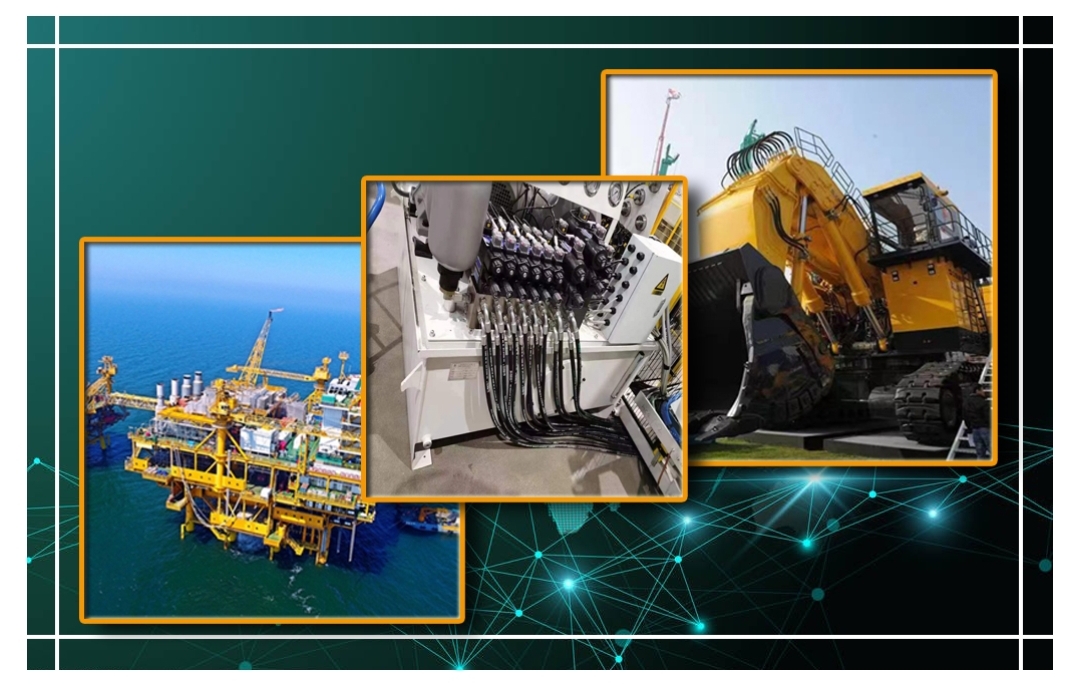
OEM 10mm hydraulic hose suppliers provide critical components within fluid power systems across diverse industries including construction, agriculture, manufacturing, and automotive. These hoses, typically constructed with an inner tube, reinforcement layers, and an outer cover, are designed to transmit hydraulic fluid under high pressure to operate actuators and machinery. This technical guide provides an in-depth examination of 10mm hydraulic hose construction, performance characteristics, potential failure modes, and relevant industry standards. The core challenge facing procurement managers lies in specifying hoses that meet stringent safety requirements, withstand harsh operating conditions, and offer a lifecycle cost-effective solution. The 10mm bore size is prevalent in applications demanding moderate flow rates and operating pressures, making careful material selection and manufacturing process control paramount. Understanding the nuances of hose construction is fundamental to mitigating the risks associated with hydraulic system failure.
Material Science & Manufacturing
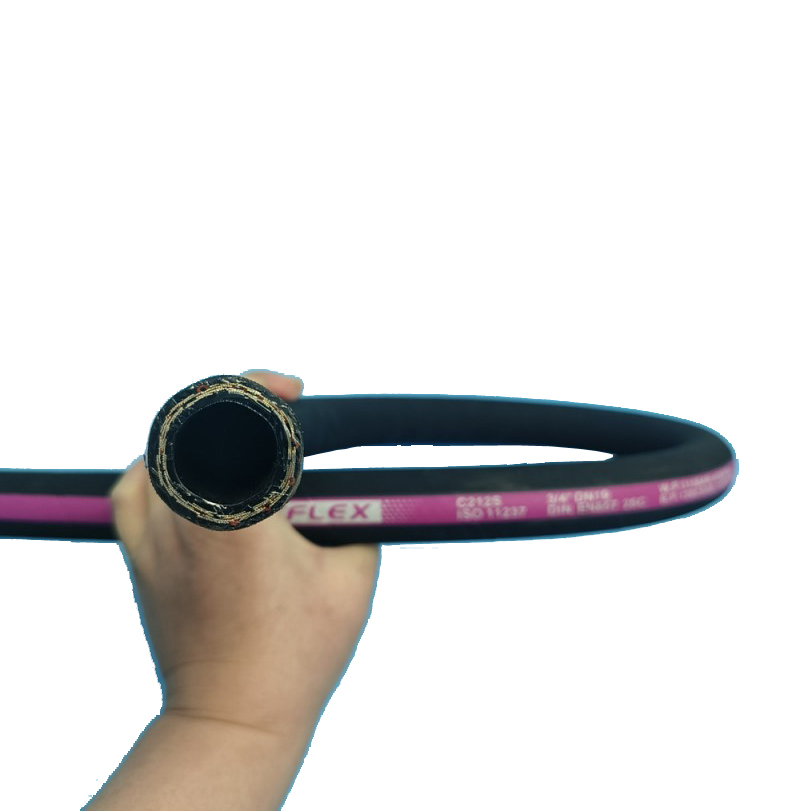
The materials utilized in 10mm hydraulic hose construction directly influence its performance and longevity. The inner tube, typically composed of synthetic rubber compounds such as nitrile (NBR), ethylene propylene diene monomer (EPDM), or fluorocarbon (FKM – Viton), determines compatibility with the conveyed hydraulic fluid. NBR offers excellent resistance to petroleum-based fluids, while EPDM excels in phosphate ester compatibility and high-temperature applications. FKM provides superior chemical resistance and is preferred for demanding environments. The reinforcement layer, crucial for withstanding internal pressure, commonly utilizes high-tensile steel wire – typically spiral-wound or braided. The number and configuration of these wires directly correlate with the hose's working pressure rating. The outer cover, generally made of chloroprene (CR) rubber, provides abrasion, ozone, and weathering resistance. Manufacturing processes vary. Braided hoses involve interlacing steel wires around the inner tube, while spiral-wound hoses utilize a single, continuous wire helically wrapped around the core. Precise control of wire tension, rubber compound mixing ratios, and vulcanization temperature is essential. Post-manufacturing, hoses undergo rigorous pressure testing to ensure structural integrity. Dimensional accuracy of the 10mm ID is also vital for proper fitting and sealing.
Performance & Engineering
Performance of a 10mm hydraulic hose is dictated by several engineering parameters. Burst pressure, working pressure, and impulse pressure ratings are critical safety considerations. Burst pressure represents the point of catastrophic failure, while working pressure is the maximum allowable continuous operating pressure, typically a 4:1 safety factor compared to burst pressure. Impulse pressure, or surge pressure, accounts for pressure spikes caused by pump pulsations or rapid valve closures. Finite element analysis (FEA) is often employed during hose design to predict stress distribution under varying load conditions. Hose bend radius is another important factor; exceeding the minimum bend radius can lead to kinking and premature failure. Temperature extremes also impact performance. High temperatures degrade rubber compounds, reducing flexibility and increasing the risk of cracking. Low temperatures can reduce flexibility and increase susceptibility to damage. Furthermore, hydraulic fluid compatibility must be carefully considered. Incompatible fluids can cause swelling, softening, or degradation of the inner tube, leading to leaks and system failure. Dynamic performance, including vibration resistance and fatigue life, should also be evaluated, particularly in mobile applications. Consideration of hose weight and flexibility is also necessary for ease of installation and routing.
Technical Specifications
| Parameter | Unit | Typical Value (NBR Inner Tube, 2 Wire Braid) | Typical Value (EPDM Inner Tube, 4 Wire Braid) |
|---|---|---|---|
| Inner Diameter | mm | 10.0 ± 0.1 | 10.0 ± 0.1 |
| Working Pressure | MPa | 16.0 | 25.0 |
| Burst Pressure | MPa | 64.0 | 100.0 |
| Impulse Pressure | MPa | 24.0 | 30.0 |
| Temperature Range | °C | -40 to +100 | -40 to +120 |
| Minimum Bend Radius | mm | 50 | 60 |
| Reinforcement | - | 2 Steel Wire Braid | 4 Steel Wire Braid |
Failure Mode & Maintenance
Common failure modes in 10mm hydraulic hoses include pinhole leaks, burst failures, and end fitting separation. Pinhole leaks often stem from degradation of the inner tube due to incompatible fluids, overheating, or abrasion from fluid contaminants. Burst failures usually result from exceeding the working pressure, fatigue cracking caused by repeated pressure cycling, or damage to the reinforcement layers. End fitting separation can occur due to improper crimping, corrosion, or excessive vibration. Fatigue cracking initiates from stress concentrations at the hose ends or at imperfections within the reinforcement. Oxidation of the rubber compounds, accelerated by high temperatures and exposure to ozone, leads to hardening and cracking. To mitigate these failures, regular visual inspections are critical, looking for signs of cracking, swelling, abrasion, or leaks. Hose routing should minimize bending and abrasion. Fluid contamination should be controlled through filtration. Proper fitting installation, utilizing correctly sized and crimped fittings, is essential. Maintenance schedules should include periodic hose replacement based on operational severity and manufacturer recommendations. A documented record of hose inspections and replacements is crucial for proactive maintenance and safety compliance. Replacing hoses in pairs, even if only one has failed, is a best practice.
Industry FAQ
Q: What is the impact of hydraulic fluid type on hose selection?
A: Hydraulic fluid compatibility is paramount. Using an incompatible fluid can cause the inner tube to swell, soften, or degrade, leading to leaks and premature failure. Nitrile (NBR) is suitable for petroleum-based fluids, while EPDM is preferred for phosphate ester fluids. Fluorocarbon (FKM) offers broad chemical resistance but is more expensive. The fluid's viscosity and operating temperature also influence hose selection.
Q: How does the number of reinforcement layers affect hose performance?
A: Increasing the number of reinforcement layers (e.g., from 2-wire braid to 4-wire braid) directly increases the hose’s working and burst pressure ratings. More layers provide greater resistance to internal pressure and prevent expansion under load. However, increased reinforcement also reduces flexibility and increases cost.
Q: What are the common causes of hose kinking and how can it be prevented?
A: Kinking occurs when the hose is bent beyond its minimum bend radius, collapsing the inner tube and restricting fluid flow. Prevention includes ensuring proper hose routing, using support structures to prevent excessive bending, and selecting a hose with a smaller minimum bend radius if space is limited.
Q: How important is proper crimping of hose fittings?
A: Proper crimping is critical for a secure and leak-free connection between the hose and fittings. Incorrect crimping can lead to fitting separation under pressure, resulting in catastrophic failure. Crimping should be performed using calibrated crimping tools and following the fitting manufacturer’s specifications.
Q: What is the role of impulse pressure testing in hose evaluation?
A: Impulse pressure testing simulates the pressure surges caused by pump pulsations and rapid valve closures. This testing assesses the hose’s ability to withstand repeated pressure spikes without failure. A higher impulse pressure rating indicates greater durability in dynamic applications.
Conclusion
The selection and implementation of 10mm hydraulic hoses necessitate a comprehensive understanding of material science, manufacturing processes, performance characteristics, and potential failure modes. OEM suppliers play a crucial role in delivering hoses that adhere to stringent quality standards and meet specific application requirements. Prioritizing compatibility with the hydraulic fluid, selecting the appropriate reinforcement level for the operating pressure, and ensuring proper installation are all critical to maximizing hose lifespan and minimizing system downtime.
Ultimately, a proactive approach to hose management, including regular inspections, preventative maintenance, and adherence to industry best practices, will contribute to a safer, more reliable, and cost-effective hydraulic system operation. Continual monitoring of hose condition and employing robust failure analysis techniques are key to optimizing performance and preventing unexpected failures in demanding industrial environments.