
Apr . 01, 2024 17:55 Back to list
oem 100r17 hydraulic hose suppliers Performance Analysis

Introduction
The 100R17 hydraulic hose is a critical component in hydraulic systems across numerous industries, including construction, agriculture, mining, and manufacturing. This specification, governed by SAE standards, dictates a non-synthetic, rubber hose with a spiral high-tensile steel wire reinforcement for medium to high-pressure applications. OEM 100R17 hydraulic hose suppliers serve a diverse client base requiring reliable fluid conveyance. Core performance characteristics include pressure rating (typically up to 2,250 psi, but varies based on manufacturer and size), temperature range (-40°C to +100°C for standard compounds), and fluid compatibility. A key industry pain point is ensuring consistent quality control due to the complex layering and curing processes involved in manufacturing. Further challenges include selecting appropriate hose compounds to withstand specific fluid types and operating environments, and mitigating premature failure due to improper installation or maintenance.
Material Science & Manufacturing
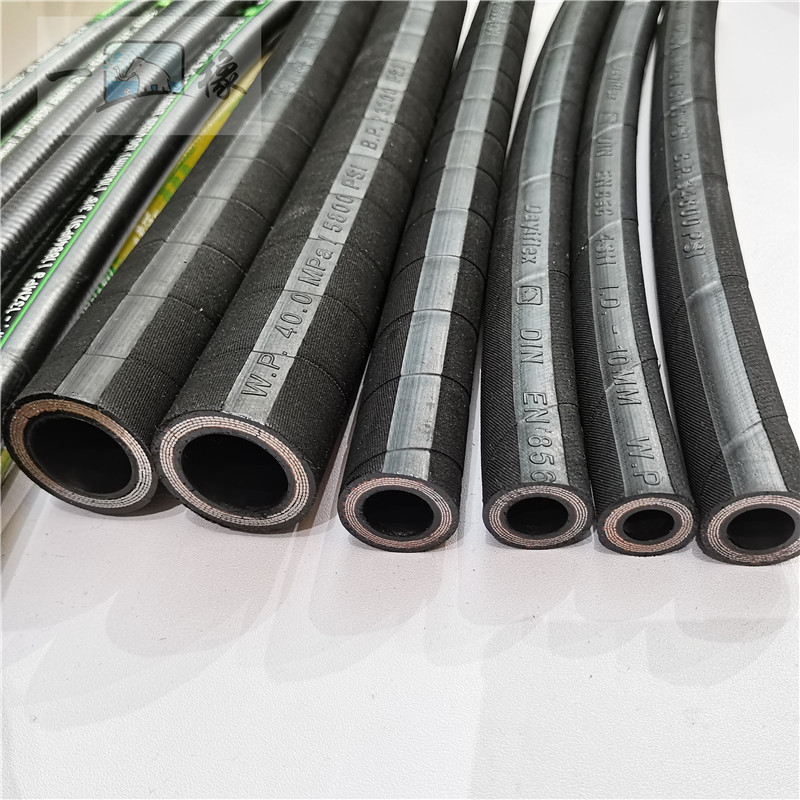
The 100R17 hose construction begins with an inner tube typically composed of oil-resistant synthetic rubber compounds like nitrile (NBR), or hydrogenated nitrile butadiene rubber (HNBR) for enhanced heat and chemical resistance. NBR offers good abrasion resistance and cost-effectiveness, while HNBR delivers superior performance in high-temperature and aggressive fluid environments. The reinforcement layer consists of a continuously wound, high-tensile steel wire spiral, providing the hose's pressure-bearing capability. Steel wire selection – carbon steel versus stainless steel – impacts corrosion resistance and cost. An outer cover, usually a synthetic rubber blend like chloroprene (CR) or ethylene propylene diene monomer (EPDM), provides abrasion, ozone, and weathering protection. Manufacturing involves extrusion of the inner tube, simultaneous winding of the steel wire reinforcement, and extrusion of the outer cover. Critical process parameters include maintaining precise dimensional control during extrusion, ensuring consistent wire pitch and tension during winding, and accurately controlling curing temperature and time to achieve optimal rubber vulcanization. Post-curing, hoses undergo pressure testing to verify burst pressure and leak tightness. The influence of rubber polymer chain orientation and crosslinking density significantly affects the final hose’s tensile strength and flexibility. Quality control relies heavily on destructive testing (burst pressure, impulse testing) and non-destructive testing (dimensional checks, visual inspection for defects).
Performance & Engineering
The performance of a 100R17 hose is fundamentally governed by its ability to withstand internal pressure without failure. Force analysis involves calculating hoop stress within the hose wall, considering the internal fluid pressure and the reinforcing wire's tensile strength. Fatigue life is a critical performance parameter, especially in applications involving pulsating pressure. Impulse testing simulates these cyclical loads to evaluate hose durability. Environmental resistance is paramount; exposure to extreme temperatures, UV radiation, and corrosive fluids can degrade the rubber compounds, leading to reduced flexibility and eventual failure. Hose bend radius is also crucial; exceeding the minimum bend radius can cause kinking and structural damage. Compliance requirements mandate adherence to SAE J517 standards for pressure ratings and dimensions, and potentially ISO 14307 for fluid resistance. Proper hose assembly – including correct fitting selection and crimping – is vital for ensuring a leak-free and reliable connection. Incorrect crimping can lead to fitting blow-off or hose failure at the connection point. Finite element analysis (FEA) is often employed during the design phase to optimize hose geometry and reinforcement structure for maximum performance and longevity. Hose materials also have specific limitations regarding electrostatic discharge (ESD), particularly in flammable environments.
Technical Specifications
| Parameter | Units | Typical Value | Testing Standard |
|---|---|---|---|
| Working Pressure | psi | 1500 - 2250 | SAE J517 |
| Burst Pressure | psi | 4500 - 6750 | SAE J517 |
| Temperature Range | °C | -40 to +100 | SAE J517 |
| Inner Tube Material | - | NBR, HNBR | ASTM D2000 |
| Reinforcement | - | High Tensile Steel Wire (Spiral) | SAE J517 |
| Outer Cover Material | - | CR, EPDM | ASTM D2000 |
Failure Mode & Maintenance
Common failure modes in 100R17 hoses include burst failure due to exceeding pressure limits, kink failure caused by excessive bending, abrasion failure from external contact, and degradation of rubber compounds due to chemical exposure or UV radiation. Fatigue cracking can occur in the steel wire reinforcement under cyclical loading. Internal corrosion can also occur if the hose is used with fluids containing water and is not properly drained after use. Failure analysis often involves microscopic examination of fracture surfaces to determine the root cause of failure. Maintenance practices include regular visual inspection for cracks, abrasions, and leaks; proper hose routing to avoid sharp bends and excessive strain; and avoiding exposure to incompatible fluids. Hoses should be replaced immediately if any signs of damage are detected. Proper storage is also critical; hoses should be stored in a cool, dry place away from direct sunlight and ozone sources. Periodic pressure testing can proactively identify weakening hoses before catastrophic failure. Consider using protective sleeves or guards in areas prone to abrasion. Implementing a preventative maintenance schedule based on operating hours and environmental conditions is crucial for maximizing hose lifespan and system reliability. Regularly check and torque hose fittings.
Industry FAQ
Q: What is the impact of fluid compatibility on the lifespan of a 100R17 hose?
A: Fluid compatibility is paramount. Using a hose with an incompatible fluid can cause the inner tube to swell, soften, or degrade, leading to leaks or premature failure. For example, certain phosphate ester fluids can severely damage nitrile rubber. HNBR offers wider fluid compatibility, but specific compatibility charts should always be consulted to ensure the hose material is suitable for the intended application.
Q: How does temperature affect the working pressure of a 100R17 hose?
A: Generally, as temperature increases, the working pressure of a hydraulic hose decreases. This is due to the reduction in rubber compound strength and increased thermal expansion. Manufacturers provide derating factors for elevated temperatures; these factors must be applied to the hose’s rated working pressure to determine the safe operating pressure at a given temperature.
Q: What is the role of the steel wire reinforcement in a 100R17 hose?
A: The steel wire reinforcement is the primary load-bearing element of the hose, providing the resistance to internal pressure. The wire’s tensile strength, diameter, and pitch directly influence the hose’s burst pressure and fatigue life. The spiral winding pattern distributes the load evenly around the hose circumference.
Q: What are the common causes of fitting failure in 100R17 hose assemblies?
A: Common causes include incorrect crimp size (either too loose or too tight), corrosion of the fitting material, over-tightening of the fitting during assembly, and fatigue failure due to cyclical loading. Using incompatible fittings or fittings not designed for 100R17 hoses can also lead to failure.
Q: What are the benefits of using stainless steel reinforcement over carbon steel in a 100R17 hose?
A: Stainless steel reinforcement provides superior corrosion resistance compared to carbon steel, making it ideal for applications exposed to harsh environments or corrosive fluids. While more expensive, stainless steel significantly extends the hose’s lifespan in these conditions.
Conclusion
The 100R17 hydraulic hose remains a cornerstone of countless hydraulic systems, its performance dictated by a complex interplay of material science, manufacturing precision, and operating conditions. OEM suppliers play a vital role in ensuring the reliability and safety of these systems through rigorous quality control and adherence to industry standards. Understanding the nuances of hose construction – from rubber compound selection to reinforcement design – is critical for selecting the optimal hose for a given application.
Future trends are likely to focus on developing more durable and chemically resistant hose materials, incorporating advanced sensor technologies for real-time monitoring of hose condition, and improving manufacturing processes to enhance consistency and reduce defects. Prioritizing preventative maintenance and proper installation practices remains essential for maximizing hose lifespan and minimizing the risk of catastrophic failure.