
Apr . 01, 2024 17:55 Back to list
oem 100r17 hydraulic hose supplier Performance Analysis
Introduction
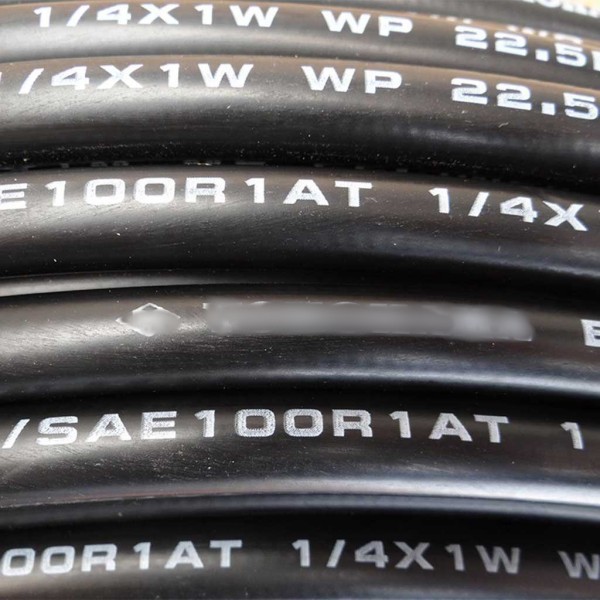
The 100R17 hydraulic hose is a critical component in hydraulic systems, designed for the conveyance of hydraulic fluid under high pressure. Its position within the industrial chain lies between the hydraulic fluid source (pump) and the actuator (cylinder, motor, etc.). OEM 100R17 hydraulic hose suppliers provide hoses adhering to the Society of Automotive Engineers (SAE) 100R17 specification, a globally recognized standard. This specification dictates performance characteristics including pressure ratings, temperature ranges, and fluid compatibility. The core performance characteristics of the 100R17 hose, and therefore a critical focus for OEM suppliers, are its burst pressure, working pressure, impulse pressure resistance, and its ability to maintain flexibility over a wide temperature spectrum. A primary industry pain point is ensuring consistent quality and adherence to SAE standards, particularly given the potential for catastrophic failure and associated safety risks if substandard hoses are employed. Another challenge is maintaining cost-effectiveness while meeting stringent performance requirements.
Material Science & Manufacturing
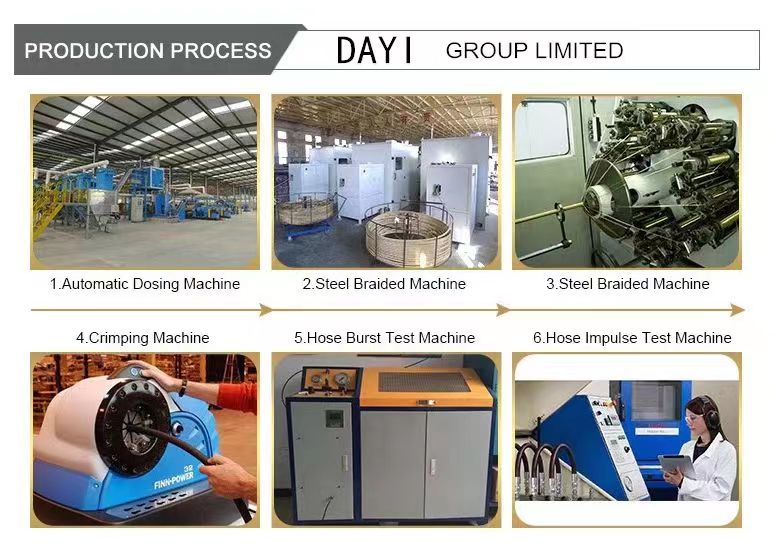
The 100R17 hydraulic hose typically consists of several layers, each contributing to its overall performance. The inner tube is commonly constructed from nitrile rubber (NBR) due to its excellent resistance to petroleum-based hydraulic fluids. However, other materials like Ethylene Propylene Diene Monomer (EPDM) are utilized for compatibility with phosphate ester fluids. The reinforcement layer is crucial for pressure containment and typically comprises multiple braids of high-tensile steel wire. The number of braids dictates the hose’s working pressure rating; more braids result in higher pressure capacity. An outer cover, often made of Chloroprene rubber (CR), provides environmental protection against abrasion, ozone, and weathering. Manufacturing begins with extrusion of the inner tube, followed by precise winding of the steel wire reinforcement. Critical parameters during braiding include wire tension, braid angle, and layer uniformity. Maintaining consistent tension is paramount to prevent localized weaknesses. Following reinforcement, the outer cover is extruded, and the hose is vulcanized (cured) under controlled temperature and pressure. Post-curing, rigorous dimensional checks, pressure testing, and visual inspection are performed to ensure quality control. The choice of steel wire grade is vital; high-carbon steel wire is favored for its strength and fatigue resistance. Chemical compatibility testing between the inner tube material and anticipated hydraulic fluids is a crucial aspect of the manufacturing process, minimizing swelling or degradation.
Performance & Engineering
The performance of a 100R17 hose is fundamentally governed by its ability to withstand internal pressure, external loads, and dynamic stresses induced by fluid pulsation. Force analysis centers on hoop stress within the hose wall, directly proportional to the internal pressure and hose diameter. The steel wire reinforcement resists this hoop stress, preventing hose expansion and burst. Impulse pressure, caused by pump pulsations, induces cyclic stresses leading to fatigue failure. Hose suppliers employ fatigue testing to determine impulse life under specified pressure and frequency conditions. Environmental resistance is another key performance aspect. Exposure to extreme temperatures (both high and low) affects the rubber compound’s flexibility and tensile strength. Ozone cracking is a common degradation mechanism, especially in outdoor applications. Compliance requirements dictate adherence to SAE 100R17 standards, which specify minimum burst pressure, working pressure, and impulse cycle life. Furthermore, regulatory standards regarding phthalate content and RoHS compliance (Restriction of Hazardous Substances) may apply, depending on the target market. Functional implementation considerations include bend radius; exceeding the minimum bend radius can induce kinking and localized stress concentrations. Proper hose assembly, utilizing compatible fittings and correct crimping procedures, is essential for ensuring long-term performance and preventing leaks.
Technical Specifications
| Parameter | Unit | SAE 100R17 Specification | Typical OEM Offering Range |
|---|---|---|---|
| Working Pressure | MPa | Minimum 20.7 | 21 - 35 |
| Burst Pressure | MPa | Minimum 82.7 | 86 - 140 |
| Impulse Cycles (at 20.7 MPa) | Cycles | Minimum 300,000 | 500,000 - 1,000,000 |
| Temperature Range | °C | -40 to +100 | -40 to +120 |
| Inner Tube Material | - | Nitrile Rubber (NBR) | NBR, EPDM |
| Reinforcement | - | Multiple Steel Wire Braids | 2, 4, or 6 Steel Wire Braids |
Failure Mode & Maintenance
Common failure modes in 100R17 hydraulic hoses include burst failure due to exceeding the working pressure, impulse failure resulting from fatigue cracking in the reinforcement, and pinhole leaks caused by degradation of the inner tube. Fatigue cracking is often initiated at points of high stress concentration, such as near fittings or areas of localized damage. Delamination, the separation of layers within the hose, can occur due to improper bonding during manufacturing or exposure to incompatible fluids. Oxidation of the rubber compounds, particularly the outer cover, leads to cracking and loss of flexibility. A key failure analysis technique is fractography, examining the fracture surface to determine the failure mechanism. Maintenance procedures should include regular visual inspection for signs of damage (cracks, abrasions, swelling), checking for leaks, and verifying proper fitting tightness. Avoid sharp bends and excessive twisting, as these can induce stress concentrations. Implement a preventative maintenance schedule based on operating hours and environmental conditions. If a hose shows signs of damage, it should be immediately replaced. Avoid using the hose as a lifting device and protect it from direct exposure to heat sources and corrosive chemicals. Proper storage in a cool, dry place, away from direct sunlight, will extend hose life.
Industry FAQ
Q: What is the significance of the number of braids in a 100R17 hose?
A: The number of braids directly impacts the hose’s working pressure and impulse pressure resistance. More braids provide greater reinforcement, allowing the hose to withstand higher pressures and resist fatigue failure under dynamic loading. Each additional braid layer significantly increases the hose's pressure-bearing capacity, but also increases cost and reduces flexibility.
Q: How does temperature affect the performance of a 100R17 hose?
A: Extreme temperatures, both high and low, can degrade the rubber compounds. High temperatures can cause the rubber to soften and lose tensile strength, while low temperatures can make it brittle and prone to cracking. The specified temperature range in SAE 100R17 defines the limits within which the hose will maintain its performance characteristics.
Q: What type of hydraulic fluid is compatible with a standard 100R17 hose?
A: Standard 100R17 hoses with NBR inner tubes are generally compatible with petroleum-based hydraulic fluids. However, for phosphate ester fluids, an EPDM inner tube is required to prevent swelling and degradation. Always verify fluid compatibility with the hose manufacturer's specifications.
Q: What are the common causes of hose leakage?
A: Common causes include improper fitting assembly (incorrect crimp, damaged threads), damage to the inner tube (abrasion, pinholes), and degradation of the rubber compounds due to age or chemical exposure. Regular inspection of fittings and the hose body is critical for identifying potential leak points.
Q: What is the recommended bend radius for a 100R17 hose?
A: Exceeding the minimum bend radius can induce kinking and localized stress concentrations, leading to premature failure. The recommended bend radius is typically specified by the hose manufacturer and should be adhered to during installation. Generally, a larger bend radius is preferable to minimize stress.
Conclusion
The 100R17 hydraulic hose remains a foundational element in numerous hydraulic systems, and its reliable performance is paramount to operational safety and efficiency. OEM suppliers play a critical role in ensuring adherence to SAE standards, utilizing appropriate materials and manufacturing processes to deliver hoses capable of withstanding demanding operating conditions. Understanding the interplay between material science, engineering principles, and industry regulations is essential for selecting the correct hose for a specific application.
Future developments in hydraulic hose technology will likely focus on enhancing impulse pressure resistance, improving chemical compatibility, and reducing hose weight. The adoption of advanced materials and manufacturing techniques, such as thermoplastic reinforcement, may lead to hoses with superior performance characteristics and extended service life. Continued vigilance in quality control and adherence to evolving industry standards will be crucial for maintaining the integrity and safety of hydraulic systems.