
Apr . 01, 2024 17:55 Back to list
oem 100r17 hydraulic hose manufacturer Performance Analysis
Introduction
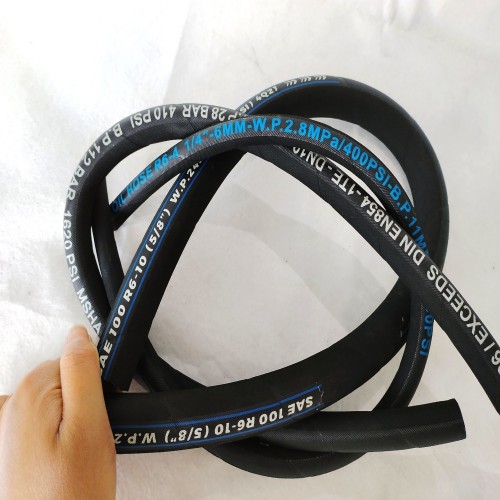
The 100R17 hydraulic hose represents a critical component in hydraulic power transmission systems across diverse industries, including construction, agriculture, mining, and manufacturing. Defined by its non-synthetic rubber tube, multiple steel wire reinforcement layers, and abrasion-resistant cover, the 100R17 hose is engineered for medium to high-pressure applications. Its position in the industry chain is as the final conduit connecting the hydraulic pump to actuators, demanding a high degree of reliability and resistance to operational stresses. Core performance characteristics include burst pressure, working pressure, temperature range, and fluid compatibility. A key pain point for end-users is premature hose failure due to improper specification, installation, or operation, leading to costly downtime and potential safety hazards. Selecting a qualified OEM manufacturer like oem 100r17 hydraulic hose manufacturer is therefore paramount to ensure consistent quality and adherence to industry standards.
Material Science & Manufacturing
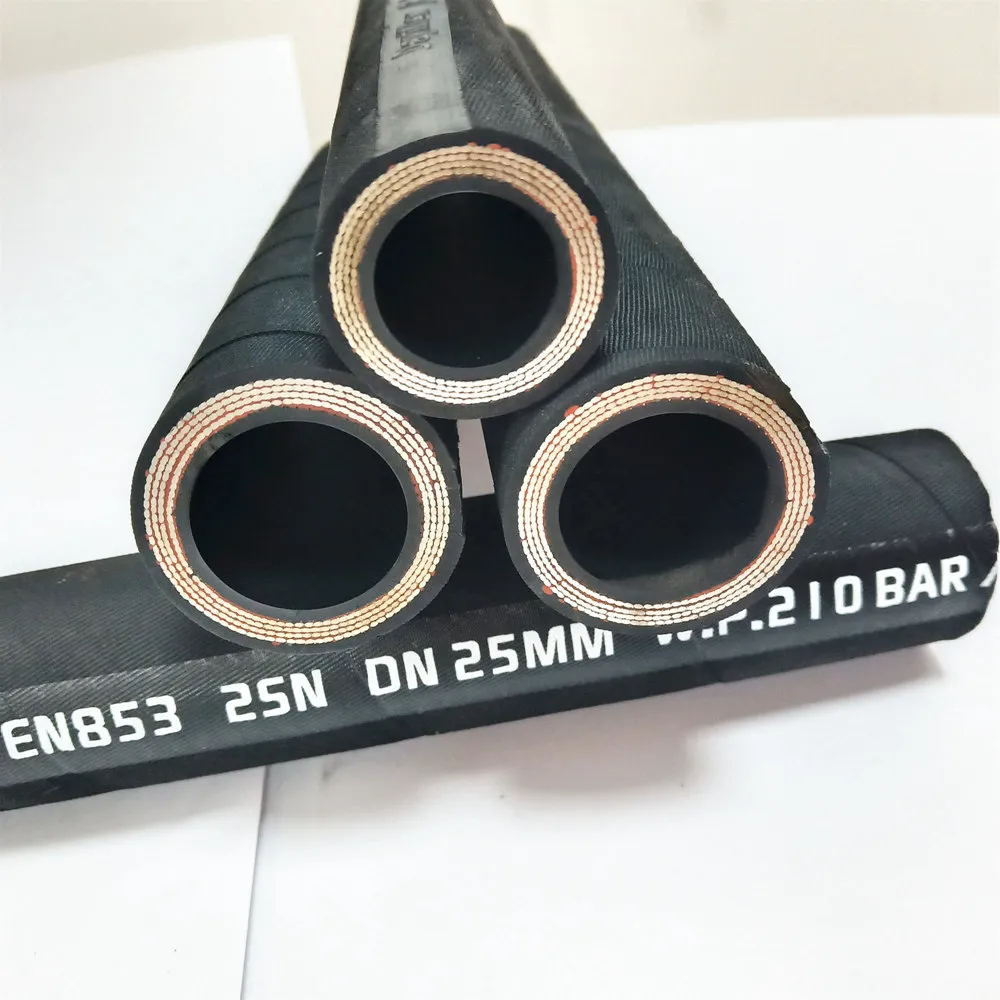
The 100R17 hydraulic hose is constructed from a specific combination of materials chosen for their inherent properties. The inner tube is typically composed of oil-resistant nitrile rubber (NBR), prized for its compatibility with a wide range of hydraulic fluids, exhibiting excellent resistance to swelling and degradation. The reinforcement layers consist of multiple spiraled high-tensile steel wire, providing the necessary strength to withstand high internal pressures. The cover, commonly made of abrasion-resistant synthetic rubber like Chloroprene (CR), protects the hose from external damage, weathering, and ozone cracking. Manufacturing begins with the extrusion of the NBR inner tube, followed by the precise winding of steel wire layers under controlled tension. This process is critical, as variations in wire tension directly impact the hose's burst pressure and fatigue life. The cover is then extruded over the reinforcement, and the hose is cured in a vulcanization process. Key parameters controlled during manufacturing include rubber compound viscosity, steel wire tensile strength, winding angle, curing temperature, and curing time. Improper curing can lead to incomplete vulcanization, resulting in reduced physical properties and increased susceptibility to failure.
Performance & Engineering
Performance of the 100R17 hose is largely governed by the principles of fluid mechanics and material stress-strain relationships. The hose must withstand cyclic pressure fluctuations, bending, and torsional stresses without failure. Force analysis focuses on hoop stress within the tube and axial stress in the steel wire reinforcement. Environmental resistance is also critical; exposure to extreme temperatures, UV radiation, and corrosive substances can degrade the rubber compounds and compromise hose integrity. Compliance requirements dictate adherence to specific standards regarding burst pressure, working pressure, and temperature ratings. For example, a 1-inch ID 100R17 hose typically exhibits a minimum burst pressure of 420 bar (6090 psi) and a working pressure of 140 bar (2030 psi). Functional implementation demands consideration of hose bend radius; exceeding the minimum bend radius can induce excessive stress and lead to premature failure. Furthermore, compatibility between the hose material and the hydraulic fluid is essential to prevent swelling, cracking, or chemical reactions that could impair performance. Consideration must also be given to potential electrostatic buildup during fluid transfer, necessitating the use of conductive materials in certain applications.
Technical Specifications
| Parameter | Unit | Specification (Typical) | Test Standard |
|---|---|---|---|
| Inner Tube Material | - | Nitrile Rubber (NBR) | ASTM D2000 |
| Reinforcement | Layers | Multiple Steel Wire Spiral | SAE J517 |
| Cover Material | - | Chloroprene Rubber (CR) | ASTM D2000 |
| Working Pressure | bar (psi) | 140 (2030) | EN 853 1SN |
| Burst Pressure | bar (psi) | 420 (6090) | EN 853 1SN |
| Temperature Range | °C (°F) | -40 to +100 (-40 to +212) | SAE J517 |
Failure Mode & Maintenance
Common failure modes of 100R17 hydraulic hoses include fatigue cracking, particularly at connection points, caused by repeated pressure cycling and bending. Delamination of the reinforcement layers can occur due to inadequate bonding or corrosion of the steel wire. External abrasion can compromise the cover, leading to fluid leakage and potential steel wire exposure. Internal degradation of the NBR inner tube can result from incompatible hydraulic fluids or prolonged exposure to high temperatures. Oxidation and ozone cracking can affect the rubber compounds, reducing their elasticity and strength. Failure analysis often reveals that improper installation, such as excessive bending or twisting, contributes significantly to hose failure. Regular inspection is critical; look for signs of cracking, abrasion, swelling, or leakage. Maintenance includes proper fluid selection, ensuring correct hose routing, and avoiding exceeding the specified working pressure and temperature limits. Damaged hoses should be replaced immediately, and connections should be inspected for corrosion and tightness. Periodic pressure testing can identify potential weaknesses before catastrophic failure occurs. Proper storage of spare hoses in a cool, dry, and dark environment is also vital to prevent premature degradation.
Industry FAQ
Q: What is the impact of fluid velocity on the service life of a 100R17 hose?
A: High fluid velocity can exacerbate erosion of the inner tube, particularly with fluids containing abrasive particles. It also increases pressure drop and can contribute to cavitation, further accelerating wear. Velocity should be maintained within the manufacturer's recommendations to optimize hose life.
Q: How does steel wire quality affect the burst pressure and fatigue life of the hose?
A: Steel wire tensile strength, ductility, and surface finish are critical. Higher tensile strength directly translates to higher burst pressure. Ductility allows the wire to withstand deformation without fracturing. A smooth surface finish minimizes stress concentrations and enhances fatigue resistance.
Q: What are the implications of using a hose with an incorrect inner tube material for a specific hydraulic fluid?
A: Incompatibility can lead to swelling, softening, or degradation of the inner tube, resulting in fluid leakage and hose failure. Always verify fluid compatibility with the hose material before use. Consult fluid manufacturer's specifications for recommended hose materials.
Q: Can electrostatic discharge damage a 100R17 hose, and what preventative measures can be taken?
A: Yes, particularly when handling flammable fluids. Static buildup can occur due to fluid flow. Using conductive hoses (with embedded conductive fibers) and grounding the system can mitigate this risk. Proper bonding of all components is also essential.
Q: What is the difference between 1SN and 2SN reinforcement in a 100R17 hose, and how does it affect its performance?
A: 1SN indicates one layer of steel wire reinforcement, while 2SN denotes two layers. 2SN hoses offer significantly higher burst pressure and improved fatigue life compared to 1SN hoses, making them suitable for more demanding applications. The increased steel wire provides greater resistance to hoop stress.
Conclusion
The 100R17 hydraulic hose is a robust and reliable component, but its performance and longevity are heavily reliant on material selection, manufacturing precision, and proper application. Understanding the interplay between fluid compatibility, pressure ratings, temperature limits, and environmental factors is critical for preventing premature failure and ensuring operational safety. Selecting a reputable OEM manufacturer like oem 100r17 hydraulic hose manufacturer, capable of consistently producing hoses that meet stringent industry standards, is a foundational step toward a dependable hydraulic system.
Future developments in hydraulic hose technology will likely focus on incorporating advanced materials with enhanced chemical resistance and temperature stability, as well as developing smart hoses with embedded sensors for real-time monitoring of pressure, temperature, and structural integrity. Adopting these innovations will further improve the reliability and efficiency of hydraulic power transmission systems, contributing to reduced downtime and enhanced operational performance.