
Apr . 01, 2024 17:55 Back to list
oem 100r17 hydraulic hose factory Performance Analysis
Introduction
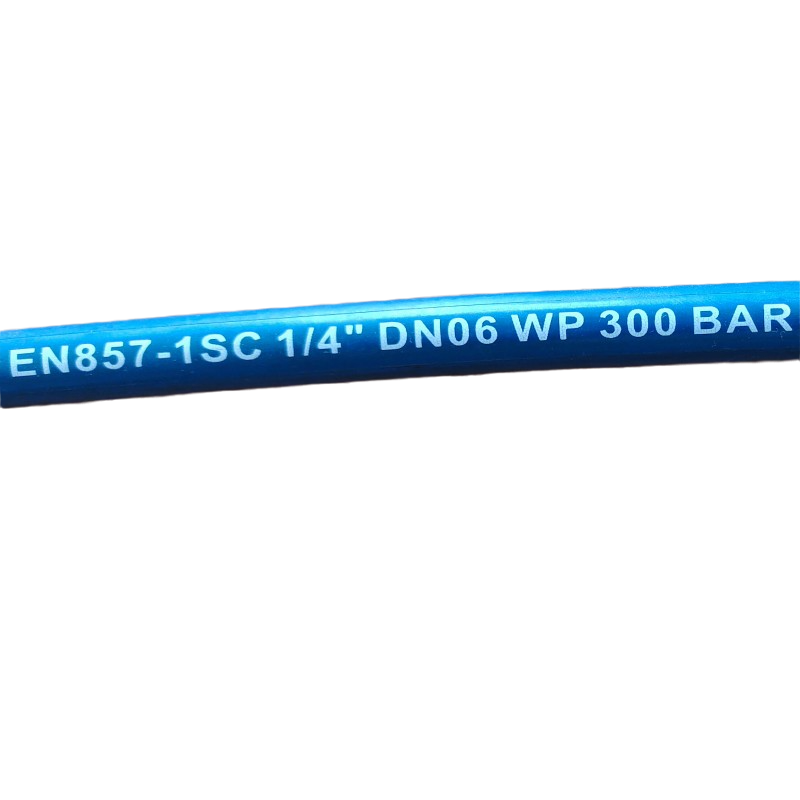
The 100R17 hydraulic hose represents a critical component in fluid power systems, specifically engineered for high-pressure applications. Positioned within the hydraulic system supply chain between the pump and actuators, its primary function is the reliable and safe transmission of hydraulic fluid. OEM 100R17 hydraulic hoses are characterized by their multi-layered construction, comprising an inner tube, multiple layers of high-tensile reinforcement (typically steel wire), and an outer cover designed for abrasion and environmental resistance. Core performance metrics include working pressure, burst pressure, temperature range, and fluid compatibility. The selection of appropriate hose materials and manufacturing processes directly impacts system efficiency, durability, and overall operational safety, particularly in demanding industrial environments like construction, agriculture, and manufacturing. This guide provides a comprehensive technical overview of 100R17 hoses, covering material science, manufacturing techniques, performance characteristics, failure modes, and industry standards, geared towards procurement managers and engineers.
Material Science & Manufacturing
The 100R17 hose’s performance is fundamentally rooted in its material composition. The inner tube is typically constructed from a synthetic rubber compound, commonly nitrile rubber (NBR) due to its excellent resistance to petroleum-based hydraulic fluids. Alternatives include chloroprene rubber (CR) for improved heat and ozone resistance. The reinforcement layers consist of high-strength steel wire, spirally wound to provide pressure containment. Wire gauge and ply count dictate the hose's pressure rating; higher ply counts correlate to increased burst pressure. The outer cover is typically made from a synthetic rubber compound like CR or polyurethane, offering abrasion, ozone, and weathering protection.
Manufacturing commences with inner tube extrusion, where the rubber compound is forced through a die to achieve the desired diameter and wall thickness. Reinforcement wires are then helically wound around the extruded tube with precise tension control. Incorrect winding tension leads to premature failure. This assembly then undergoes vulcanization, a process involving heat and pressure to cross-link the rubber polymers, enhancing their strength, elasticity, and chemical resistance. The outer cover is extruded over the reinforced inner tube and subsequently vulcanized as a unified structure. Critical parameters during manufacturing include temperature control during vulcanization, wire tension monitoring, and dimensional accuracy of the extruded layers. Post-production, hoses undergo rigorous pressure testing to verify compliance with standards. Quality control includes visual inspection for defects, dimensional measurements, and performance testing under simulated operating conditions. Improper curing results in reduced elasticity and increased susceptibility to cracking.
Performance & Engineering
Hydraulic hose performance is governed by several key engineering principles. The primary consideration is pressure containment. 100R17 hoses are designed for working pressures up to 2,500 psi, with burst pressures exceeding 7,500 psi, offering a substantial safety factor. Force analysis involves calculating the hoop stress within the hose wall due to internal pressure, ensuring it remains below the material’s yield strength. Environmental resistance is crucial; hoses must withstand temperature variations (typically -40°C to +100°C), exposure to UV radiation, and contact with various fluids and contaminants. The reinforcement layers are engineered to resist axial stretch and contraction under pressure fluctuations.
Compliance requirements dictate adherence to industry standards like SAE J517, which specifies dimensional tolerances, pressure ratings, and performance testing procedures. Bending radius is a critical factor; exceeding the minimum bending radius induces stress concentration and accelerates fatigue failure. Hose assemblies, incorporating fittings, require careful design to ensure proper sealing and load distribution. Fitting compatibility (thread type, size, and sealing method) is paramount. Furthermore, considerations must be made for fluid compatibility; incompatibility can cause swelling, degradation, or leaching of hose materials, compromising performance and leading to system failure. Incorrectly sized or installed fittings introduce leak paths and stress concentrators.
Technical Specifications
| Parameter | Specification | Test Method | Typical Value |
|---|---|---|---|
| Working Pressure (PSI) | Up to 2,500 PSI | SAE J517 | 2,250 PSI |
| Burst Pressure (PSI) | Minimum 7,500 PSI | SAE J517 | 8,250 PSI |
| Temperature Range (°C) | -40°C to +100°C | SAE J517 | -40°C to +100°C |
| Inner Tube Material | Nitrile Rubber (NBR) | ASTM D2000 | NBR |
| Reinforcement | Multiple Layers of High-Tensile Steel Wire | SAE J517 | 6 Spiral Wire |
| Outer Cover Material | Chloroprene Rubber (CR) | ASTM D2000 | CR |
Failure Mode & Maintenance
100R17 hoses are susceptible to several failure modes. Fatigue cracking, initiated by repeated flexing and pressure cycling, is a common cause of failure. This is exacerbated by exceeding the minimum bending radius or operating outside the specified temperature range. Abrasion damage to the outer cover can expose the reinforcement layers to corrosion, leading to structural weakening. Internal degradation of the inner tube can occur due to fluid incompatibility or contamination, causing swelling, softening, or cracking. External corrosion of the steel wire reinforcement, particularly in humid or corrosive environments, can significantly reduce the hose’s pressure rating. Fitting failures, such as thread stripping or seal leakage, can also contribute to hose assembly failure.
Preventative maintenance includes regular visual inspection for signs of abrasion, cracking, or swelling. Hose assemblies should be inspected for proper installation and secure fitting connections. Fluid contamination should be minimized through filtration. Avoid exceeding the minimum bending radius during installation and operation. Replace hoses that exhibit any signs of damage or degradation. Proper storage in a cool, dry, and dark environment is essential to prevent premature aging. For corrosion-prone environments, consider hoses with specialized coatings or stainless steel reinforcement. Regular pressure testing, though not always practical, can provide an indication of hose integrity. Documenting hose replacement dates and operating conditions aids in identifying potential failure patterns.
Industry FAQ
Q: What is the impact of exceeding the minimum bending radius on hose life?
A: Exceeding the minimum bending radius induces significant stress concentration in the hose wall, accelerating fatigue failure. This is because the reinforcement layers are stretched beyond their elastic limit, leading to micro-cracks that propagate under repeated flexing and pressure cycles. The severity of the impact increases with the degree to which the bending radius is violated.
Q: How does fluid compatibility affect hose performance?
A: Incompatibility between the hydraulic fluid and the inner tube material can cause swelling, softening, or cracking of the rubber compound. This compromises the hose’s pressure containment capabilities and can lead to leaks or catastrophic failure. It’s crucial to verify fluid compatibility before selecting a hose.
Q: What is the significance of the hose’s burst pressure rating?
A: The burst pressure rating represents the maximum pressure the hose can withstand before rupture. It’s typically several times higher than the working pressure, providing a safety factor. However, exceeding the working pressure significantly reduces hose life, even if it doesn’t immediately cause rupture.
Q: What preventative measures can be taken to mitigate corrosion of the steel wire reinforcement?
A: Using hoses with specialized outer cover coatings designed to resist corrosion is a primary measure. In particularly harsh environments, consider stainless steel wire reinforcement. Regular inspection and maintenance to identify and address any damage to the outer cover are also critical. Avoid prolonged exposure to salt spray or other corrosive agents.
Q: How often should 100R17 hydraulic hoses be replaced as a preventative measure?
A: Replacement frequency depends on operating conditions and severity of service. As a general guideline, hoses should be replaced every 3-5 years, or sooner if any signs of damage or degradation are observed. Maintaining a detailed replacement log is essential.
Conclusion
The 100R17 hydraulic hose is a critical component demanding careful material selection, precise manufacturing, and diligent maintenance. Understanding its underlying principles – encompassing material science, engineering mechanics, and adherence to industry standards – is paramount for ensuring reliable and safe operation within demanding fluid power systems. Failure to adequately address these aspects can lead to costly downtime, equipment damage, and potential safety hazards.
Moving forward, advancements in hose technology will likely focus on developing materials with enhanced chemical resistance, improved abrasion resistance, and extended service life. Furthermore, the integration of sensor technologies for real-time pressure and temperature monitoring will enable proactive maintenance and predictive failure analysis, contributing to enhanced system reliability and reduced operational costs.