
Apr . 01, 2024 17:55 Back to list
oem 1/4 in hydraulic hose supplier Performance Analysis
Introduction
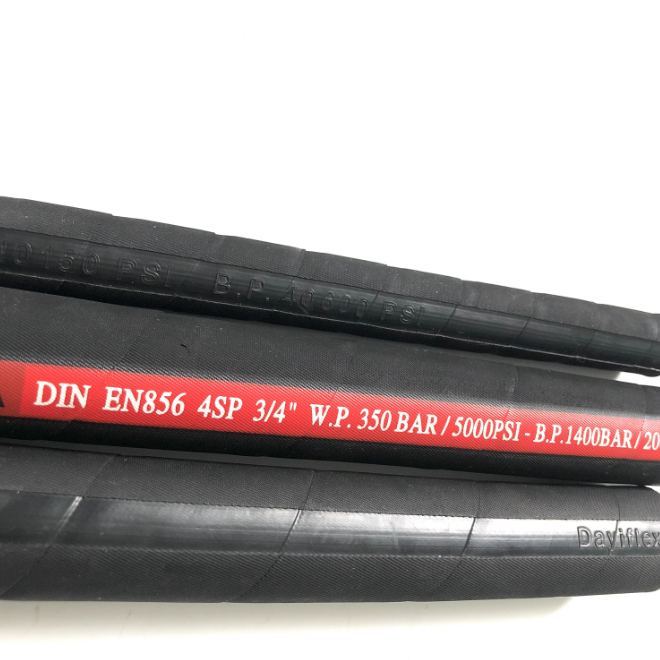
OEM 1/4 inch hydraulic hoses represent a critical component in fluid power systems across diverse industries including construction, agriculture, manufacturing, and automotive. These hoses are specifically engineered to transmit hydraulic fluid under high pressure, facilitating the operation of hydraulic machinery. Positioned within the supply chain as a manufactured component, their performance directly impacts system efficiency, reliability, and safety. The core performance characteristics defining these hoses involve burst pressure, working pressure, temperature resistance, and fluid compatibility. Meeting or exceeding industry standards, coupled with customized options like length, fitting type, and reinforcement, are vital differentiators for suppliers. This guide details the material science, manufacturing processes, performance parameters, failure modes, and maintenance protocols associated with 1/4 inch OEM hydraulic hoses, providing a comprehensive understanding for engineers, procurement managers, and maintenance personnel.
Material Science & Manufacturing
The construction of a 1/4 inch hydraulic hose involves a multi-layered composite structure. The innermost layer, the tube, is typically constructed from nitrile rubber (NBR) due to its excellent resistance to petroleum-based hydraulic fluids, or from polytetrafluoroethylene (PTFE) for compatibility with aggressive fluids such as phosphate ester based fluids. NBR exhibits tensile strength ranging from 15-30 MPa and elongation at break of 300-500%. PTFE offers superior chemical resistance but has lower tensile strength (10-20 MPa). The reinforcement layer, crucial for withstanding high pressure, utilizes one or more braids of high-tensile steel wire. Steel wire selection focuses on tensile strength (typically >2000 MPa) and fatigue resistance. The number of braids directly correlates to pressure rating – single braid hoses are suitable for lower pressures, while multiple braids (2, 4, or 6) are employed for increasingly demanding applications. An outer cover, usually composed of Chloroprene rubber (CR), provides abrasion, ozone, and weathering resistance. CR offers good flexibility and a temperature range of -40°C to +120°C. Manufacturing involves extrusion of the inner tube, spiral wrapping or braiding of the reinforcement layers, and subsequent extrusion of the outer cover. Precise control of extrusion temperatures, braiding tension, and vulcanization (curing) time are critical to achieve desired mechanical properties. Vulcanization, typically employing sulfur-based systems, optimizes rubber elasticity and durability. Post-production testing includes hydrostatic testing to verify burst pressure and impulse testing to assess fatigue life.
Performance & Engineering
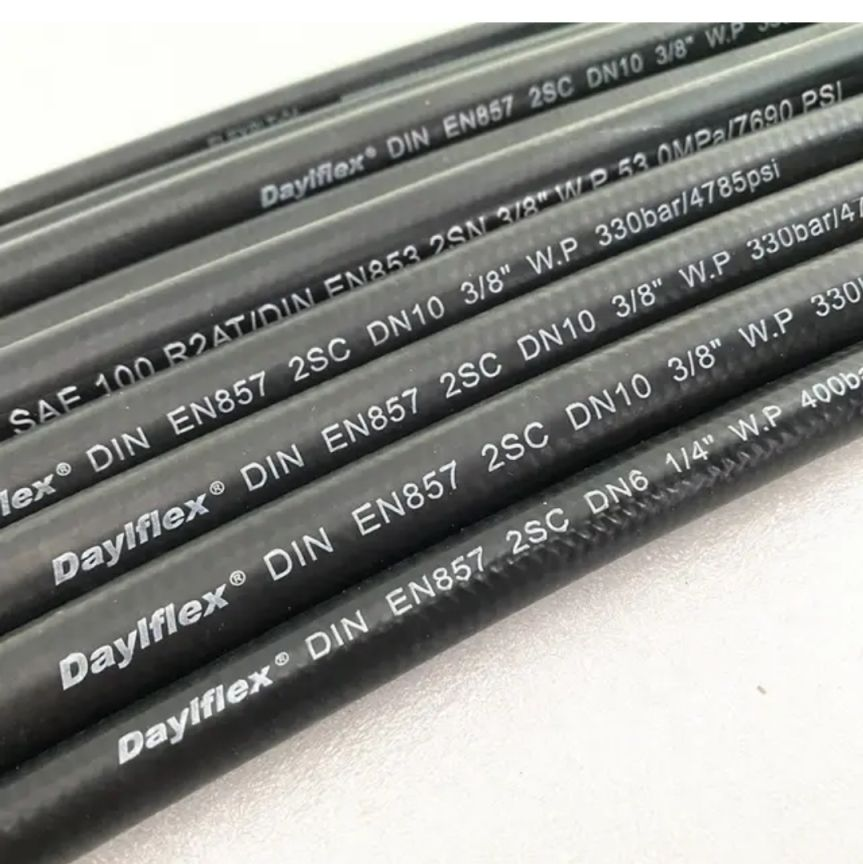
Hydraulic hose performance is dictated by several key engineering parameters. Burst pressure, defined as the pressure at which the hose fails catastrophically, is a fundamental safety metric. Working pressure is typically 50-75% of the burst pressure, representing the maximum sustained operating pressure. Impulse pressure refers to pressure spikes or surges within the system, and hoses must withstand repeated impulse cycles without failure. The number of impulse cycles a hose can endure is crucial in dynamic applications like hydraulic hammers. Temperature extremes significantly affect hose performance. High temperatures degrade rubber compounds, reducing tensile strength and elasticity, while low temperatures can embrittle the rubber, increasing the risk of cracking. Fluid compatibility is equally critical. Incompatible fluids can cause swelling, softening, or hardening of the rubber, leading to premature failure. Hose bend radius is another important consideration. Exceeding the minimum bend radius induces stress on the reinforcement layers and can lead to fatigue failure. Force analysis includes evaluating hoop stress within the hose wall under pressure and bending stress during operation. Compliance with standards like SAE J517 and EN 853 ensures adherence to minimum performance criteria. Selecting the appropriate hose involves careful consideration of system pressure, fluid type, temperature range, and application dynamics.
Technical Specifications
| Parameter | Unit | NBR Hose (Typical) | PTFE Hose (Typical) |
|---|---|---|---|
| Inner Diameter | inch | 0.25 | 0.25 |
| Working Pressure | psi | 2000 | 3000 |
| Burst Pressure | psi | 8000 | 12000 |
| Temperature Range | °F | -40 to +212 | -100 to +450 |
| Reinforcement | - | Single Steel Wire Braid | Double Steel Wire Braid |
| Outer Cover | - | Chloroprene Rubber (CR) | Stainless Steel Wire Braid over PTFE |
Failure Mode & Maintenance
Hydraulic hose failure manifests in various forms. Fatigue cracking, occurring due to repeated bending and pressure cycling, is a common failure mode, initiating at the braid and propagating through the rubber. Abrasion, caused by external contact with surfaces, degrades the outer cover, exposing the reinforcement to corrosion. Ozone cracking, prevalent in outdoor applications, results in surface cracks due to ozone attack on the rubber. Internal degradation, stemming from fluid incompatibility or contamination, leads to swelling, softening, or hardening of the hose material. Pinholes, caused by internal corrosion or abrasion, result in fluid leakage. Fitting failure, including corrosion and thread stripping, can also lead to system failure. Maintenance strategies include regular visual inspections for cracks, abrasions, and leaks. Proper hose routing to avoid sharp bends and abrasive contact is essential. Periodic pressure testing can identify weakened hoses. Fluid cleanliness is paramount; filtration systems prevent particulate contamination that accelerates wear. Hose replacement should occur at scheduled intervals or upon detection of any signs of damage. Improper installation, such as over-tightening fittings or incorrect bend radius, should be avoided. Documenting hose service history facilitates proactive maintenance and minimizes downtime.
Industry FAQ
Q: What is the impact of hydraulic fluid type on hose selection?
A: Hydraulic fluid type directly influences hose material compatibility. Petroleum-based fluids are generally compatible with NBR, but phosphate ester fluids require PTFE or other specialized polymers to prevent degradation. Using an incompatible fluid will cause the hose to swell, soften, or harden, leading to premature failure and potential system damage. Always verify fluid compatibility with the hose manufacturer’s specifications.
Q: How does temperature affect the working life of a hydraulic hose?
A: Elevated temperatures accelerate the degradation of rubber compounds, reducing tensile strength and elasticity. Operating above the hose’s maximum temperature rating shortens its lifespan significantly. Conversely, low temperatures can embrittle the rubber, making it more susceptible to cracking. Maintaining operating temperatures within the specified range is crucial for maximizing hose service life.
Q: What is the significance of the hose reinforcement braid count?
A: The number of reinforcement braids directly impacts the hose's pressure rating and impulse resistance. Single braid hoses are suitable for lower-pressure applications, while multiple braids (2, 4, or 6) provide increased strength and durability for high-pressure and dynamic systems. Higher braid counts also improve resistance to kinking and twisting.
Q: What are common causes of hose fitting failure?
A: Common causes include corrosion, thread stripping, and improper tightening. Corrosion can weaken the fitting material, while over-tightening can damage the threads, leading to leakage. Using appropriate thread sealant and torque specifications during installation is essential. Regularly inspect fittings for signs of corrosion or damage.
Q: How often should hydraulic hoses be replaced preventatively?
A: Preventative replacement frequency depends on the application and operating conditions. Generally, hoses in demanding applications should be replaced every 3-5 years, or sooner if signs of wear or damage are detected. Maintaining a detailed service record and conducting regular inspections are crucial for establishing an appropriate replacement schedule.
Conclusion
The selection, installation, and maintenance of 1/4 inch OEM hydraulic hoses are critical aspects of ensuring reliable and safe operation of hydraulic systems. Understanding the material science, manufacturing processes, and performance characteristics detailed in this guide empowers engineers and maintenance personnel to make informed decisions. Proper hose selection based on pressure, temperature, fluid compatibility, and application dynamics is paramount. Adhering to recommended maintenance practices, including regular inspections and timely replacement, minimizes the risk of failure and extends hose service life.
Future advancements in hydraulic hose technology focus on developing materials with enhanced durability, chemical resistance, and temperature performance. The integration of smart sensors within the hose structure for real-time monitoring of pressure, temperature, and structural integrity represents a promising avenue for predictive maintenance and improved system reliability. Continuous adherence to evolving industry standards and best practices will be vital for maintaining the safety and efficiency of hydraulic systems.