
Apr . 01, 2024 17:55 Back to list
oem 1/4 in hydraulic hose factory Performance Analysis

Introduction
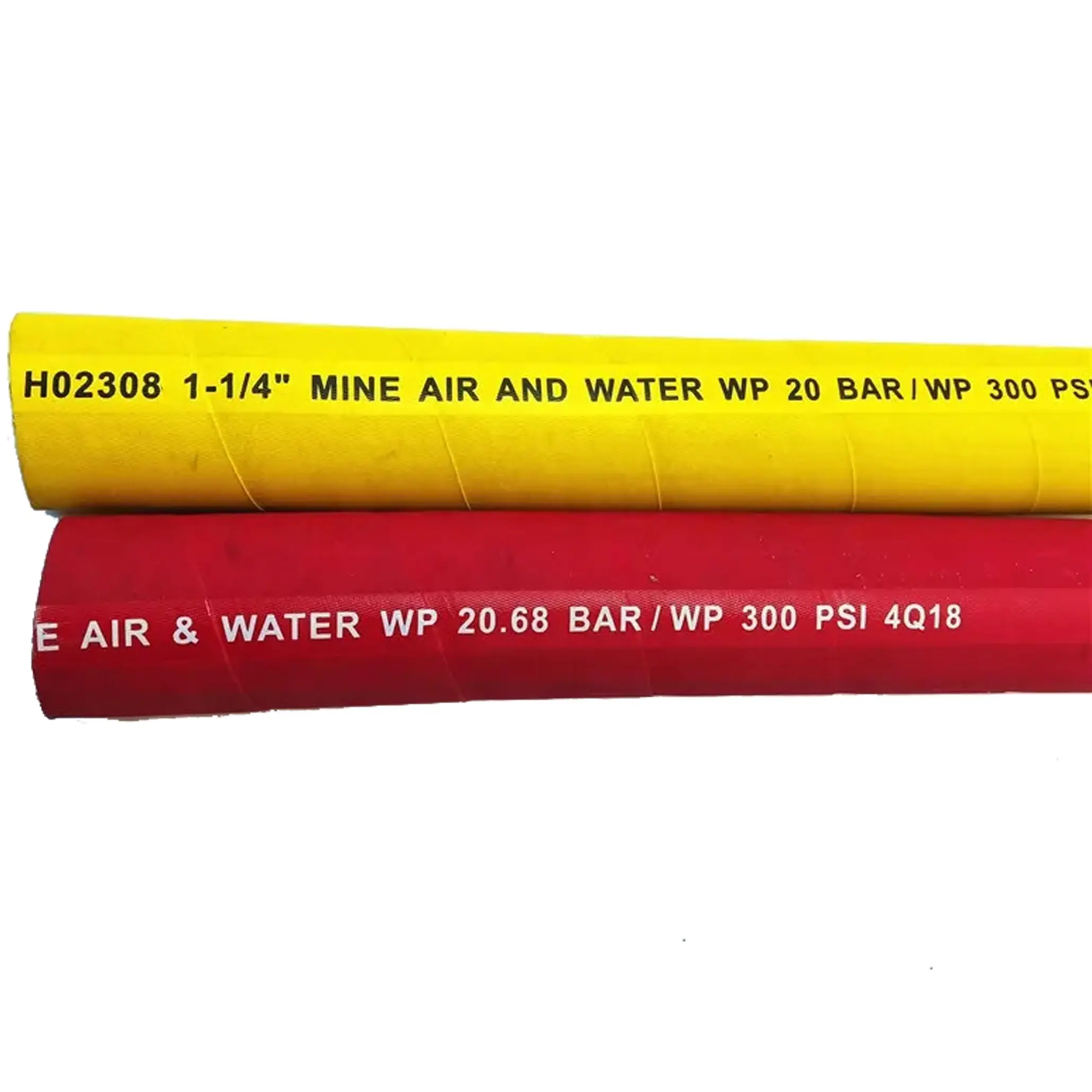
OEM 1/4 inch hydraulic hose represents a critical component in fluid power systems across diverse industries including construction, agriculture, manufacturing, and automotive. These hoses are designed to transmit hydraulic fluid under substantial pressure, enabling the operation of machinery ranging from excavators and loaders to industrial presses and steering systems. Unlike general-purpose rubber tubing, hydraulic hoses are engineered with specific reinforcement layers and specialized rubber compounds to withstand the demanding conditions inherent in hydraulic applications. The 1/4 inch inner diameter is a commonly used size, offering a balance between flow capacity and flexibility for numerous applications. This guide details the material science, manufacturing processes, performance characteristics, potential failure modes, and industry standards relevant to OEM 1/4 inch hydraulic hose, targeting engineers, procurement managers, and quality control personnel involved in selecting and utilizing these essential components. Understanding the nuances of hydraulic hose construction is vital for ensuring system reliability, minimizing downtime, and preventing potentially hazardous failures.
Material Science & Manufacturing
The construction of a 1/4 inch hydraulic hose involves several key materials and processes. The innermost layer, the tube, is typically constructed from a synthetic rubber compound resistant to the hydraulic fluid being used. Common materials include nitrile rubber (NBR) for mineral oils, ethylene propylene diene monomer (EPDM) for phosphate ester fluids, and fluorocarbon (FKM) for demanding applications requiring resistance to high temperatures and aggressive chemicals. The selection is predicated on fluid compatibility, temperature range, and pressure requirements. Surrounding the tube are multiple layers of reinforcement, typically braided or spiraled high-tensile steel wire. The number and configuration of these layers dictate the hose’s pressure rating. Single-wire braid offers flexibility, while multiple-wire braid or spiral construction provides increased pressure capacity. Finally, the outer cover is typically made from a synthetic rubber, such as chloroprene (CR), providing abrasion resistance, weather protection, and resistance to oil and ozone.
Manufacturing begins with extrusion of the inner tube. Precise control of extrusion temperature and screw speed is crucial to achieve consistent wall thickness and smooth inner surface. The reinforcement layers are then applied through automated braiding or winding machines, ensuring uniform coverage and proper alignment. Following reinforcement, the outer cover is extruded, encapsulating the reinforcement layers. Curing is a critical step involving vulcanization of the rubber compounds under controlled temperature and pressure, transforming the raw rubber into a durable, elastic material. Post-curing processes include dimensional inspection, pressure testing (to a minimum of 1.5 times the working pressure), and leak testing. Quality control relies heavily on statistical process control (SPC) to monitor key parameters such as dimensions, tensile strength, and fluid resistance. Specialized hose assembly often includes crimping fittings using precision machinery to ensure a leak-proof and mechanically sound connection.
Performance & Engineering
The performance of a 1/4 inch hydraulic hose is dictated by several engineering factors. Burst pressure, working pressure, and impulse pressure are key performance metrics. Burst pressure represents the maximum pressure the hose can withstand before rupture; working pressure is the maximum continuous operating pressure; and impulse pressure is the hose’s ability to withstand pressure spikes. These parameters are heavily influenced by the reinforcement layer configuration and material properties. Hose bend radius is also critical, as exceeding the minimum bend radius can lead to localized stress concentration and premature failure. Temperature extremes significantly impact performance. Elevated temperatures can reduce the rubber’s elasticity and strength, while low temperatures can cause brittleness.
Force analysis involves calculating the tensile stress within the hose wall under pressure. The formula P = F/A (Pressure = Force/Area) is fundamental, but more complex calculations are needed to account for the reinforcement layers and the hose’s geometry. Finite element analysis (FEA) is often employed to simulate stress distribution and identify potential weak points. Compliance requirements are dictated by industry standards (detailed in the conclusion). Environmental resistance is crucial; exposure to UV radiation, ozone, and chemicals can degrade the rubber compounds. Choosing the correct hose construction for the operating environment is paramount. Proper hose routing and support are also essential engineering considerations to prevent abrasion, kinking, and excessive bending.
Technical Specifications
| Parameter | Units | Typical Value (NBR Tube, 2 Wire Braid) | Typical Value (EPDM Tube, 4 Wire Braid) |
|---|---|---|---|
| Inner Diameter | inches | 0.25 | 0.25 |
| Working Pressure | psi | 2000 | 3000 |
| Burst Pressure | psi | 8000 | 12000 |
| Temperature Range | °F | -40 to +212 | -40 to +250 |
| Outer Diameter | inches | 0.45 | 0.55 |
| Minimum Bend Radius | inches | 2.5 | 3.0 |
Failure Mode & Maintenance
Common failure modes for 1/4 inch hydraulic hoses include pinhole leaks, burst failures, and end connection failures. Pinholes often result from internal abrasion caused by contaminated hydraulic fluid or the deterioration of the inner tube. Burst failures typically occur due to exceeding the working pressure or fatigue cracking resulting from repeated pressure cycling and flexing. End connection failures can be caused by improper crimping, corrosion, or excessive torque. Fatigue cracking is a particularly insidious failure mode, often occurring gradually over time and being difficult to detect visually. Delamination, the separation of reinforcement layers, can also lead to catastrophic failure. Oxidation of the rubber compounds, accelerated by exposure to heat and ozone, reduces elasticity and strength.
Preventive maintenance is crucial. Regular visual inspections should be conducted to identify signs of wear, abrasion, kinking, or leaks. Hydraulic fluid should be regularly filtered to remove contaminants. Hose routing should be optimized to minimize bending and abrasion. Correct torque specifications should be used when tightening end connections. Hoses should be replaced at recommended intervals, even if they appear undamaged. If a hose shows any signs of damage, it should be immediately taken out of service. Proper storage of hoses, away from direct sunlight, ozone sources, and extreme temperatures, is also important. When replacing a hose, ensure the new hose meets or exceeds the specifications of the original.
Industry FAQ
Q: What is the impact of fluid velocity on hose life?
A: Higher fluid velocity increases the risk of internal abrasion, leading to pinhole leaks and premature failure. Optimal fluid velocity is determined by the hose’s inner diameter and the viscosity of the fluid. Excessive velocity can also generate heat, further accelerating degradation.
Q: How does the choice of fitting material affect hose performance?
A: The fitting material must be compatible with both the hose and the hydraulic fluid. Corrosion of the fitting can lead to leaks and failure. The crimping process must be performed correctly to ensure a leak-proof and mechanically sound connection. Using incompatible fitting materials can introduce galvanic corrosion.
Q: What are the advantages of spiral hose over braided hose?
A: Spiral hose generally offers higher pressure ratings and greater flexibility than braided hose. However, it is typically more expensive. Spiral hose construction also provides better resistance to twisting and kinking.
Q: What is the role of hose guards in extending hose life?
A: Hose guards provide physical protection against abrasion, cutting, and impact damage. They are particularly important in applications where hoses are exposed to harsh environments or moving machinery.
Q: How do I determine the correct hose length for an application?
A: The hose length should be sufficient to accommodate the full range of motion of the connected equipment without excessive bending or stretching. Allowing for some slack is recommended to prevent stress on the hose and fittings. Accurate measurement is critical, accounting for the locations of all connection points.
Conclusion
OEM 1/4 inch hydraulic hose is a critical component demanding careful consideration of material selection, manufacturing processes, and operating conditions. The interplay between tube composition, reinforcement layer configuration, and outer cover characteristics dictates the hose's ability to withstand pressure, temperature variations, and environmental factors. Understanding potential failure modes and implementing proactive maintenance strategies are vital for ensuring system reliability and preventing costly downtime. Selecting the appropriate hose for a specific application requires a thorough evaluation of fluid compatibility, pressure requirements, and environmental conditions.
Continued advancements in hydraulic hose technology focus on developing materials with improved abrasion resistance, chemical compatibility, and temperature stability. Furthermore, the integration of smart sensors into hose assemblies allows for real-time monitoring of pressure, temperature, and potential leaks, enabling predictive maintenance and reducing the risk of catastrophic failures. Adherence to established industry standards is paramount, ensuring product quality and safety. Proper training of personnel involved in hose assembly, installation, and maintenance is also essential for maximizing hose lifespan and optimizing system performance.